


The Psychological Shift Toward Deep and Moody Colors
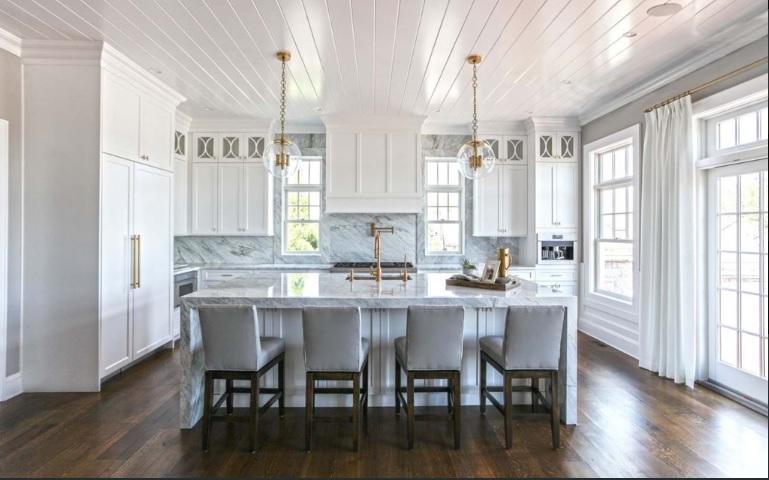
For the better part of two decades, the overwhelming default choice for home design has been the all-white aesthetic. Driven by a desire for spaces that looked surgically clean and maximally bright, homeowners enthusiastically erased color from their central living areas. However, behavioral data and design trends now indicate a massive shift away from these stark environments. While a pure white room photographs beautifully, living in one daily can cause visual fatigue and emotional detachment. As homes have transitioned into multi-use spaces serving as offices, schools, and sanctuaries, the psychological need for environments that feel grounding, rich, and emotionally supportive has led to a major resurgence of deep, moody color palettes.
The human brain reacts strongly and immediately to environmental color. Pure white spaces are highly stimulating; they bounce light aggressively and keep the mind in a state of high alertness. While this might be helpful in a medical facility, it is the exact opposite of what most people desire at the end of a long, stressful day. Deep, saturated colors have the opposite psychological effect. Dark greens, rich navy blues, and warm charcoals absorb excess light, softening the visual edges of the room. This reduction in visual stimulation acts as an environmental cue, signaling the brain to lower the heart rate and begin the process of relaxation.
Introducing these strong colors into a high-traffic area requires a calculated approach to balance. A room painted entirely in a dark hue can quickly feel oppressive if not handled correctly. The most successful application of this psychology involves grounding the space. Using deep tones on the lower half of the room—specifically the base units and the central island—anchors the design heavily to the floor. By keeping the upper walls and work surfaces relatively light, the room retains its necessary brightness for safe food preparation while still providing the emotional comfort and physical weight of the darker shades below.
When installing dark kitchen cabinetry in Connecticut, the specific finish applied to the wood dramatically alters how the color is perceived. A high-gloss finish reflects light sharply, creating a modern, sometimes cold appearance. Conversely, a matte finish absorbs the light, making the color appear incredibly deep, velvety, and sophisticated. A matte surface physically softens the aesthetic of the room, reducing glare and creating a space that feels quiet and intimate. The tactile nature of a matte finish also invites touch, adding a sensory layer to the experience of the room that sterile white surfaces simply cannot provide.
Lighting design must be completely re-evaluated when shifting to a moody palette. Dark colors absorb ambient daylight, meaning artificial lighting must be planned with extreme care to prevent the room from feeling like a cave. Instead of relying solely on bright overhead floods, a moody space requires layered, directional lighting. Warm-toned LED strips hidden beneath upper shelves wash the backsplashes in a soft glow, while heavily shaded pendant lights create localized pools of illumination over the island. This intentional use of shadow and light creates a dramatic, highly atmospheric environment that feels incredibly cozy in the evening.
The hardware chosen to complement dark colors acts as the jewelry of the room. Against a backdrop of deep forest green or midnight blue, metallic elements stand out with striking clarity. Unlacquered brass, brushed copper, and warm gold tones provide a necessary visual break from the dark expanse. These warm metals catch the ambient light and add a layer of historic elegance to the space. As these metals naturally patina and age, they add further character, ensuring the room feels lived-in and loved rather than brand new and sterile.
Moving away from an all-white space is an intentional choice to prioritize emotional comfort over clinical perfection. By embracing rich, deep colors, homeowners create a central living area that feels like a protective retreat from the outside world. It completely transforms the atmosphere of the house, turning the evening routine of preparing a meal into a calming, restorative experience in a beautifully grounded environment.
Conclusion
Shifting from stark white to deep, moody color palettes creates a profoundly different psychological experience within the home. By utilizing dark matte finishes, warm metallic hardware, and layered lighting, homeowners can design a sophisticated, grounding environment that actively reduces daily stress and promotes relaxation.
Call to Action
Explore the emotional and aesthetic benefits of introducing rich, saturated colors to your home with our expert design team.

 English
 Arabic
 Spanish
 Portuguese
 Deutsch
 Turkish
 Dutch
Dutch
 Italiano
 Russian
 Romaian
 Portuguese (Brazil)
 Greek
Greek
