


2026 FIFA World Cup Group Stage Preview and Predictions
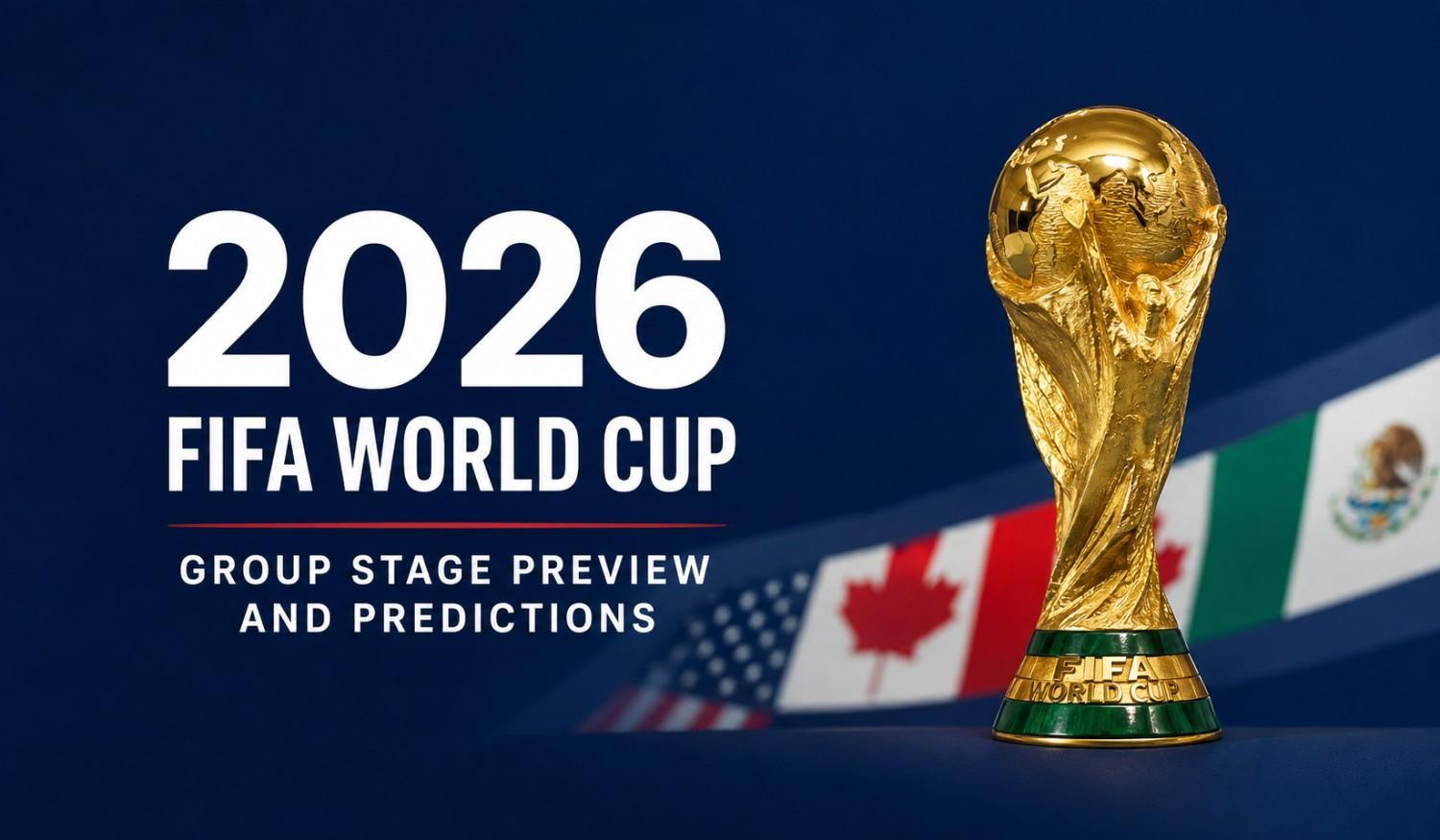
The road to the biggest tournament in football is getting shorter, and excitement is building across every corner of the sport. The expanded format promises fresh storylines, unfamiliar matchups, and plenty of opportunities for surprises. That makes 2026 FIFA World Cup group stage predictions more fascinating than ever. While powerhouse nations will arrive carrying enormous expectations, history repeatedly reminds us that group-stage football rarely follows a perfectly scripted path. One unexpected result, one inspired underdog performance, and suddenly the tournament narrative changes completely. That uncertainty remains one of football’s greatest attractions—and occasional sources of predictor frustration.
Understanding the New World Cup Format
The 2026 tournament introduces a larger field of participants, creating fresh possibilities for both established powers and ambitious newcomers. More teams mean more matches, additional tactical challenges, and a greater chance of witnessing unexpected stories unfold. Tournament expansions often spark debate, yet they also provide opportunities for nations that previously struggled to reach football’s biggest stage. Looking back at previous competitions, some of the most memorable moments came from teams nobody expected to make an impact. Predicting outcomes becomes more complex—but also far more entertaining.
Groups Most Likely to Produce Surprises
Every World Cup features at least one group that seems straightforward on paper before descending into complete chaos. A heavily favored team drops points, an underdog finds confidence, and suddenly qualification scenarios become difficult to calculate. Travel demands, pressure, injuries, and tactical mismatches can all influence results. We have seen supposedly comfortable favorites spend the final matchday nervously checking other scores while outsiders seize unexpected opportunities. Football possesses a remarkable ability to ignore pre-tournament expectations, which is both exciting and mildly inconvenient for anyone making predictions.
Traditional Favorites and Their Group Stage Outlook
The strongest contenders usually enter the competition with deep squads, experienced managers, and players accustomed to performing on major stages. Those advantages often help them navigate the group phase successfully. However, reputation alone rarely guarantees smooth progress. Even elite nations occasionally struggle against organized opponents determined to frustrate them. A slow start can quickly create pressure, particularly in a short tournament format. While several giants are expected to top their groups, recent World Cup history demonstrates that confidence and preparation matter far more than trophy collections from previous generations.
Potential Dark Horses to Watch
Every tournament introduces a handful of teams capable of outperforming expectations. These nations may lack global headlines, but they compensate with organization, discipline, and collective belief. Strong defensive structures and effective counterattacking systems often make dark horses especially dangerous during group-stage matches. Identifying these teams remains one of the best football prediction tips available because they frequently influence qualification races. A well-prepared outsider can transform an entire group with one positive result. The challenge lies in recognizing potential before the wider football world catches on.
Key Players Who Could Shape the Group Stage
World Cups often produce moments when individual brilliance changes the direction of an entire campaign. Creative midfielders, clinical forwards, and commanding defenders can all influence qualification outcomes. A single goal, decisive save, or inspirational performance may separate advancement from elimination. Attention naturally focuses on established stars, yet emerging talents regularly announce themselves on football’s biggest stage. The group phase provides the perfect platform for breakthrough performances. When analyzing potential outcomes, player form and fitness remain among the most important factors worth monitoring before kickoff.
Tactical Trends That May Influence Results
Modern international football continues to evolve, with pressing systems, positional flexibility, and structured defensive approaches becoming increasingly important. Teams that adapt quickly to different opponents often gain a significant advantage during group play. Some nations prioritize possession and control, while others focus on transitions and defensive organization. Neither approach guarantees success, but tactical discipline frequently proves decisive in closely contested matches. Managers capable of adjusting game plans between fixtures often improve their teams’ chances considerably. Tactical battles may not always dominate headlines, yet they regularly shape tournament outcomes.
Early Qualification Scenarios and Possible Outcomes
Opening matches frequently establish the tone for an entire World Cup campaign. Teams that secure early victories gain confidence and reduce pressure heading into later fixtures. Conversely, a disappointing result can force tactical adjustments and create uncomfortable qualification scenarios. Goal difference may also become crucial when groups remain tightly contested. Because of this, successful teams rarely approach any match casually. The mathematics of qualification can change quickly, particularly in balanced groups. One strong performance often creates momentum, while one poor display can leave little margin for recovery.
Our Group Stage Predictions
Several traditional football powers appear well-positioned to finish at the top of their respective groups thanks to superior squad depth and tournament experience. At the same time, a few emerging nations look capable of causing genuine problems for established contenders. The most competitive groups are likely to remain undecided until the final matchday, creating dramatic qualification battles. As always, a highly rated team may underperform while an overlooked nation exceeds expectations. Predictions provide a useful framework, but football consistently reserves the right to rewrite the script.
What Predictors Should Watch Before Kickoff
Accurate forecasting depends on far more than historical reputation. Injuries, suspensions, squad announcements, and recent form all play major roles in shaping tournament expectations. Monitoring these factors during the weeks leading up to the competition can reveal valuable insights. Tactical preparation and player chemistry should also receive close attention. Even the strongest squads can struggle if key players are unavailable or lacking match fitness. Successful analysts remain flexible and willing to adjust expectations as new information emerges. In tournament football, circumstances can change remarkably quickly.
Conclusion
The 2026 FIFA World Cup promises a captivating group stage filled with excitement, uncertainty, and memorable moments. Expanded participation adds fresh dimensions to the tournament while increasing the potential for surprise results. Favorites will attempt to justify expectations, dark horses will seek opportunities, and emerging stars will look to make their mark on the global stage. As always, careful analysis helps us understand possible outcomes, but football rarely follows a predictable path. That delicate balance between logic and unpredictability remains the reason the World Cup continues to capture the imagination of supporters worldwide.
FAQs
What are the most important factors in World Cup group-stage predictions?
Team form, player fitness, tactical organization, squad depth, and recent performances are among the most influential factors. Group difficulty and travel demands can also affect results.
Which teams are likely to dominate the 2026 World Cup group stage?
Traditional football powers are expected to perform strongly, although final assessments will depend on squad development, injuries, and preparation before the tournament begins.
Can underdog teams qualify from the group stage?
Absolutely. Every World Cup produces surprises, and the expanded format may create even more opportunities for emerging nations to advance.
Why is the group stage so difficult to predict?
Short tournaments create pressure and unpredictability. One unexpected result can dramatically alter qualification scenarios and reshape an entire group.
What prediction strategy works best for major tournaments?
Combining statistical analysis, current form, tactical evaluation, and squad news generally produces more reliable forecasts than relying solely on historical success.

 Arabic
 French
 Spanish
 Portuguese
 Deutsch
 Turkish
 Dutch
Dutch
 Italiano
 Russian
 Romaian
 Portuguese (Brazil)
 Greek
Greek
