


Marriage Blood Test: Common Tests and Their Significance
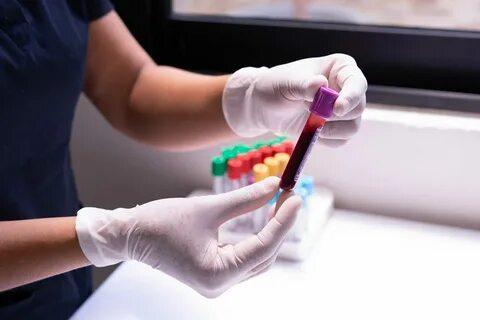
Marriage is one of the most important milestones in life, bringing together two individuals who plan to share a future, build a family, and support each other through every stage of life. While couples often focus on wedding preparations, financial goals, and future plans, one important step that deserves equal attention is a marriage blood test.
A Marriage Blood Test in Dubai, often referred to as pre-marital blood screening, is a preventive healthcare measure that helps identify potential health concerns before marriage. These tests provide valuable information about genetic disorders, infectious diseases, blood compatibility, and reproductive health risks. Understanding these medical factors early allows couples to make informed decisions and prepare for a healthier future.
The Purpose Behind Pre-Marital Blood Screening:
Before examining specific tests, it is important to understand why healthcare professionals recommend pre-marital screening.
The primary purpose is prevention. Many health conditions remain hidden for years because they do not produce noticeable symptoms. A person may feel completely healthy while carrying a genetic mutation or an infectious disease that could affect a spouse or future children.
Marriage blood tests help identify these concerns before they become larger medical challenges. The results provide opportunities for treatment, counseling, and informed family planning.
Pre-marital health screening supports:
-
Early disease detection
-
Genetic risk assessment
-
Fertility and reproductive health planning
-
Pregnancy preparation
-
Better healthcare decision-making
Rather than creating obstacles, these tests empower couples with knowledge.
Blood Group Testing: More Important Than Many Realize
One of the first tests included in most marriage blood screening packages is blood group analysis.
What Does This Test Measure?
Blood group testing determines whether a person has:
-
Type A blood
-
Type B blood
-
Type AB blood
-
Type O blood
It also identifies whether the blood is Rh-positive or Rh-negative.
Why Is It Significant?
While blood type differences do not affect marriage compatibility, the Rh factor can influence pregnancy outcomes.
If a woman is Rh-negative and her partner is Rh-positive, an unborn child may inherit the father's Rh-positive blood type. This situation can sometimes cause Rh incompatibility during pregnancy.
Fortunately, modern medicine offers effective preventive treatments. Knowing Rh status before pregnancy helps healthcare providers manage risks successfully.
Complete Blood Count (CBC): A Snapshot of Overall Health
A Complete Blood Count is one of the most commonly ordered blood tests in healthcare.
What Does a CBC Evaluate?
This test measures:
-
Red blood cells
-
White blood cells
-
Hemoglobin levels
-
Platelet count
-
Hematocrit values
Why Is It Significant?
A CBC provides valuable information about overall health and may reveal:
-
Anemia
-
Nutritional deficiencies
-
Infections
-
Immune system concerns
-
Blood-related disorders
Although it is not specifically related to marriage, it helps establish a baseline understanding of an individual's health status.
Thalassemia Screening: Protecting Future Generations
One of the most significant components of pre-marital health screening is testing for inherited blood disorders.
What Is Thalassemia?
Thalassemia is a genetic condition that affects the body's ability to produce healthy hemoglobin. Individuals who carry the trait may not experience symptoms, making carrier screening especially important.
Why Is It Significant?
When both partners are carriers of thalassemia, there is an increased risk that their children may inherit a severe form of the disease.
Early identification allows couples to:
-
Understand reproductive risks
-
Seek genetic counseling
-
Explore family planning options
-
Make informed healthcare decisions
In regions where thalassemia is common, this test is often considered essential.
Sickle Cell Disease Screening:
Another important genetic screening evaluates the possibility of sickle cell disease.
What Does This Test Detect?
The screening identifies whether an individual carries the gene responsible for sickle cell anemia.
Why Is It Significant?
Like thalassemia, sickle cell disease follows inherited genetic patterns. If both partners carry the gene, future children may face a greater risk of developing the condition.
Early awareness helps couples understand inheritance risks and available reproductive options.
HIV Testing: Supporting Long-Term Health
Human Immunodeficiency Virus testing remains a key part of many marriage blood test programs.
What Does HIV Screening Involve?
The test looks for evidence of HIV infection in the bloodstream.
Why Is It Significant?
Many individuals with HIV may not experience symptoms during the early stages of infection.
Early diagnosis offers important benefits:
-
Access to medical treatment
-
Improved quality of life
-
Reduced transmission risk
-
Better reproductive health planning
Modern treatment allows many people living with HIV to maintain healthy and productive lives.
Hepatitis B Screening:
Hepatitis B is a viral infection that primarily affects the liver.
What Does the Test Identify?
The blood test detects current or past Hepatitis B infection and may also determine immunity status.
Why Is It Significant?
Untreated Hepatitis B can lead to serious liver complications over time. Since the virus can be transmitted between partners and from mother to child during childbirth, early detection is particularly important.
Timely diagnosis allows individuals to receive proper medical care and preventive guidance.
Hepatitis C Screening:
Hepatitis C testing is another common component of pre-marital health screening.
What Does the Test Measure?
The screening identifies antibodies associated with Hepatitis C infection.
Why Is It Significant?
Many people with Hepatitis C remain unaware of their condition because symptoms often develop slowly.
Detecting the infection before marriage enables:
-
Early treatment
-
Improved liver health management
-
Reduced transmission risks
-
Better pregnancy planning
Advances in medicine have made Hepatitis C highly treatable in many cases.
Syphilis Testing:
Syphilis remains one of the most commonly screened sexually transmitted infections during pre-marital health evaluations.
What Does the Test Detect?
The blood test identifies antibodies produced in response to syphilis infection.
Why Is It Significant?
If left untreated, syphilis can cause serious health complications and may affect pregnancy outcomes.
The good news is that early-stage syphilis can often be treated effectively with appropriate medical care.
Additional STI Screening:
Depending on medical recommendations, healthcare providers may suggest testing for other sexually transmitted infections.
Common screenings may include:
-
Chlamydia
-
Gonorrhea
-
Herpes simplex virus
-
Human papillomavirus risk assessment
Why Are These Tests Significant?
Many sexually transmitted infections remain asymptomatic for extended periods.
Early diagnosis can:
-
Prevent long-term complications
-
Protect fertility
-
Reduce transmission risk
-
Support healthier pregnancies
These screenings play an important role in comprehensive reproductive health planning.
Genetic Carrier Testing Beyond Blood Disorders:
Modern medical technology has expanded the scope of genetic screening.
What Can Advanced Genetic Testing Reveal?
Additional carrier tests may identify genes associated with:
-
Cystic fibrosis
-
Tay-Sachs disease
-
Spinal muscular atrophy
-
Certain metabolic disorders
Why Is It Significant?
Advanced genetic screening provides a deeper understanding of inherited disease risks that may affect future children.
The information allows couples to consult genetic counselors and explore reproductive options tailored to their circumstances.
How Healthcare Professionals Interpret the Results?
Receiving blood test results is only the beginning of the process.
Healthcare providers evaluate findings within the context of:
-
Family medical history
-
Genetic risk factors
-
Reproductive goals
-
Existing health conditions
A positive result does not necessarily indicate a serious problem. In many cases, it simply identifies an issue that can be monitored, treated, or managed through preventive healthcare strategies.
Professional guidance helps couples understand what the results mean and what steps, if any, should follow.
The Value of Genetic Counseling After Testing:
When screening identifies inherited disease risks, genetic counseling often becomes the next recommended step.
Genetic counselors help couples understand:
-
Carrier status
-
Inheritance probabilities
-
Reproductive health options
-
Prenatal testing possibilities
-
Long-term healthcare planning
This support transforms complex medical information into practical guidance.
Frequently Asked Questions About Marriage Blood Tests:
Are Marriage Blood Tests Mandatory?
Requirements vary depending on the country and local regulations. In many places, testing is voluntary but strongly recommended.
Can a Blood Test Predict Every Health Problem?
No. Blood tests provide valuable information about specific conditions, but no test can predict every future health issue.
Should Healthy Individuals Still Get Tested?
Yes. Many genetic conditions and infectious diseases show no symptoms during their early stages.
Can Test Results Improve Family Planning?
Absolutely. Early awareness of medical risks helps couples make informed reproductive and healthcare decisions.
Conclusion: Knowledge Today for a Healthier Tomorrow
A marriage Lab tests is much more than a routine medical procedure. It serves as a proactive investment in long-term health, relationship transparency, and family planning. Through screenings for blood group compatibility, thalassemia, sickle cell disease, HIV, hepatitis, sexually transmitted infections, and genetic disorders, couples gain critical insights that can shape their future together.
The significance of these tests lies not in preventing marriage but in promoting informed choices. By understanding potential health risks before marriage, couples can seek treatment when necessary, access genetic counseling, prepare for healthy pregnancies, and build a stronger foundation for family life.
In a world where preventive healthcare continues to play a vital role, marriage blood screening remains one of the most valuable steps couples can take before beginning their journey together.
 Romaian
 English
 Arabic
 French
 Spanish
 Portuguese
 Deutsch
 Turkish
 Dutch
Dutch
 Italiano
 Russian
 Portuguese (Brazil)
 Greek
Greek
