


Tips for Capturing Better Wildlife Photos as a Beginner
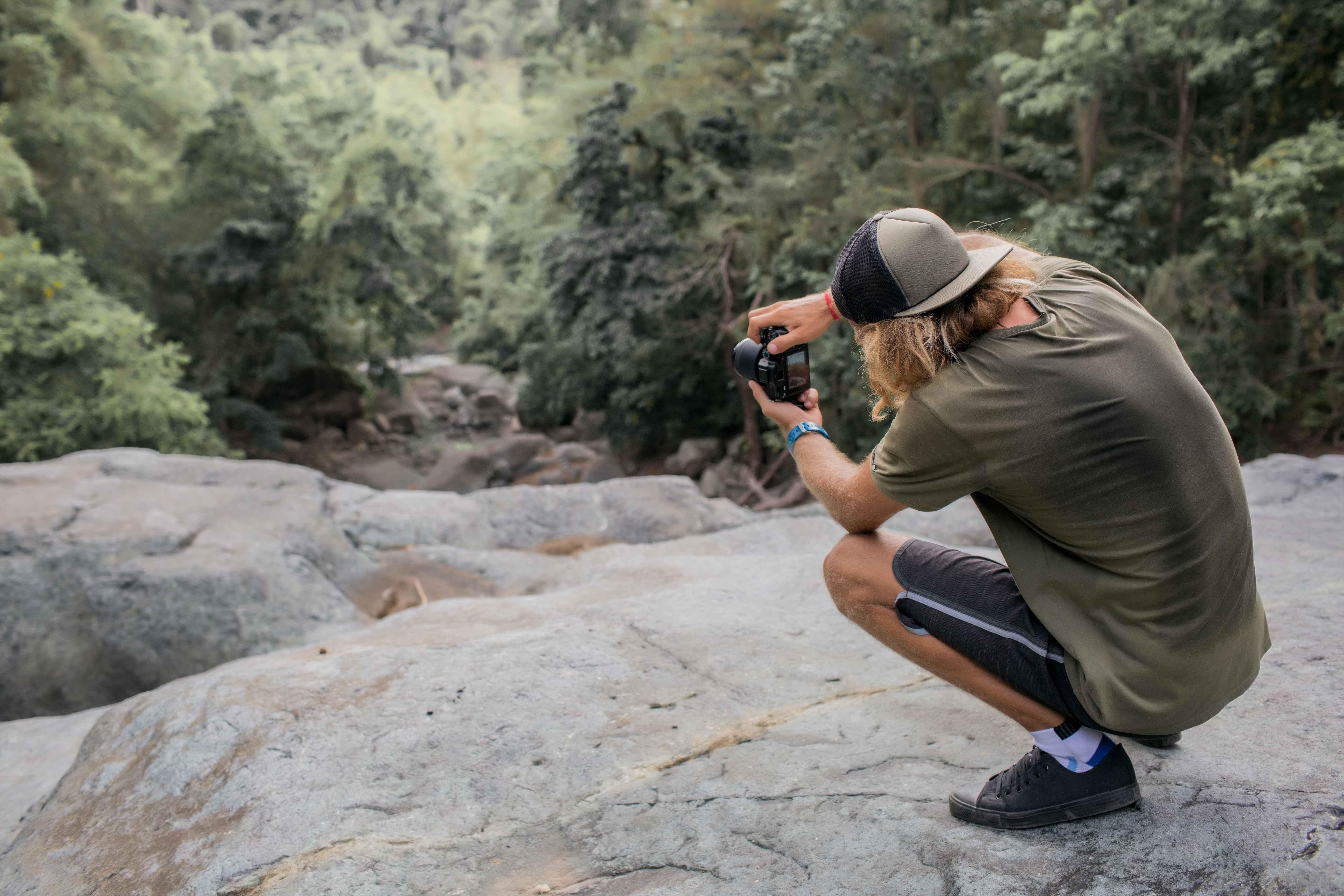
Few travel experiences are as exciting as spotting a wild animal in its natural habitat and capturing that moment through your camera lens. Whether you're on a safari, visiting a national park, or exploring a local nature reserve, wildlife photography can be both rewarding and challenging. The good news is that you don't need expensive equipment or years of experience to get started. With a few practical wildlife photography tips, beginners can significantly improve their chances of taking memorable and impactful photos.
Wildlife photography is about more than simply documenting animals. It's about telling stories, preserving moments, and creating images that help people appreciate the beauty of the natural world.
Understand Animal Behavior
One of the most important skills for any wildlife photographer is learning how animals behave.
Unlike landscape photography, wildlife photography depends heavily on timing. Animals move unpredictably, and understanding their habits can help you anticipate better photo opportunities.
Before your trip, spend some time researching the species you hope to photograph. Learn about their feeding times, movement patterns, and typical behaviors.
For example:
-
Birds are often most active during early morning hours.
-
Large mammals may gather near water sources during hot weather.
-
Predators often become active during cooler parts of the day.
The more you understand your subject, the better prepared you'll be when opportunities arise.
Focus on Good Lighting
Lighting can dramatically affect the quality of your photos.
Many experienced photographers prefer shooting during the "golden hours" shortly after sunrise and before sunset. During these times, sunlight is softer, warmer, and more flattering than the harsh midday sun.
Good lighting can add depth, color, and atmosphere to your images while helping you capture important details.
Even if you're using a smartphone or entry-level camera, natural lighting can make a significant difference.
Be Patient
Wildlife photography rewards patience more than almost any other type of photography.
Many beginners expect immediate results and become frustrated when animals don't appear right away. In reality, some of the best wildlife images come after long periods of waiting and observation.
Instead of constantly moving around, take time to observe your surroundings.
Sometimes the perfect shot appears when you least expect it.
Patience allows you to notice animal behavior, anticipate movement, and capture more natural-looking images.
Get the Eyes in Focus
One simple rule can instantly improve most wildlife photos: focus on the eyes.
Sharp, clear eyes create a stronger connection between the viewer and the subject. Even if other parts of the image are slightly soft, sharp eyes can make a photograph feel much more powerful.
Most modern cameras offer autofocus modes that help track moving subjects. Learning how to use these settings can improve your success rate significantly.
When photographing animals, always check that the eyes are sharp before considering the image complete.
Use the Background Wisely
Beginners often focus entirely on the animal and forget about what's happening behind it.
A cluttered background can distract attention from the subject and reduce the overall impact of the image.
Whenever possible, position yourself so that the background appears clean and simple.
Natural elements such as blurred trees, grasslands, water, or open sky often work well because they help the subject stand out.
Paying attention to backgrounds is one of the easiest yet most effective wildlife photography tips for creating professional-looking images.
Avoid Getting Too Close
One of the most common mistakes beginners make is trying to get physically close to wildlife.
Not only can this be dangerous, but it can also disturb animals and alter their natural behavior.
Instead, use zoom lenses or optical zoom features to capture detailed images while maintaining a safe distance.
Responsible wildlife photography always prioritizes the well-being of animals over getting the perfect shot.
Remember that respecting wildlife is more important than any photograph.
Tell a Story
Great wildlife photographs often capture more than just an animal.
They tell a story.
Consider including elements of the environment that help explain where the animal lives or what it is doing. A tiger walking through tall grass, an elephant near a waterhole, or a bird feeding its chicks can create a stronger emotional connection than a simple close-up portrait.
Storytelling helps transform ordinary wildlife photos into memorable images.
Think about the scene as a whole rather than focusing only on the subject.
Practice Composition Techniques
Composition plays a major role in photography.
One useful technique is the rule of thirds. Instead of placing the animal directly in the center of the frame, position it slightly off-center to create a more balanced and visually appealing image.
Other helpful composition ideas include:
-
Leaving space in front of moving animals
-
Using natural frames such as branches
-
Capturing reflections in water
-
Including landscape elements for context
Experimenting with composition can make your images feel more dynamic and engaging.
Keep Practicing
Wildlife photography is a skill that improves over time.
Even professional photographers take thousands of photos to capture a few exceptional images. Don't be discouraged if your first attempts aren't perfect.
Review your images, learn from mistakes, and continue practicing whenever possible.
Every outing teaches valuable lessons about camera settings, lighting, composition, and animal behavior.
The more time you spend photographing wildlife, the more confident and successful you'll become.
Final Thoughts
Wildlife photography offers a wonderful opportunity to connect with nature while developing creative skills. You don't need expensive gear or advanced expertise to get started. By focusing on patience, lighting, composition, and animal behavior, you can dramatically improve your results.
These wildlife photography tips are designed to help beginners build confidence and capture meaningful images that tell powerful stories. The most important thing is to enjoy the experience, respect wildlife, and keep learning with every photograph you take.
Sometimes the best wildlife photo isn't the rarest animal or the most dramatic scene it's the image that reminds you why you fell in love with nature in the first place.
 French
 English
 Arabic
 Spanish
 Portuguese
 Deutsch
 Turkish
 Dutch
Dutch
 Italiano
 Russian
 Romaian
 Portuguese (Brazil)
 Greek
Greek
