


What Causes Varicose Veins to Develop in the Legs?
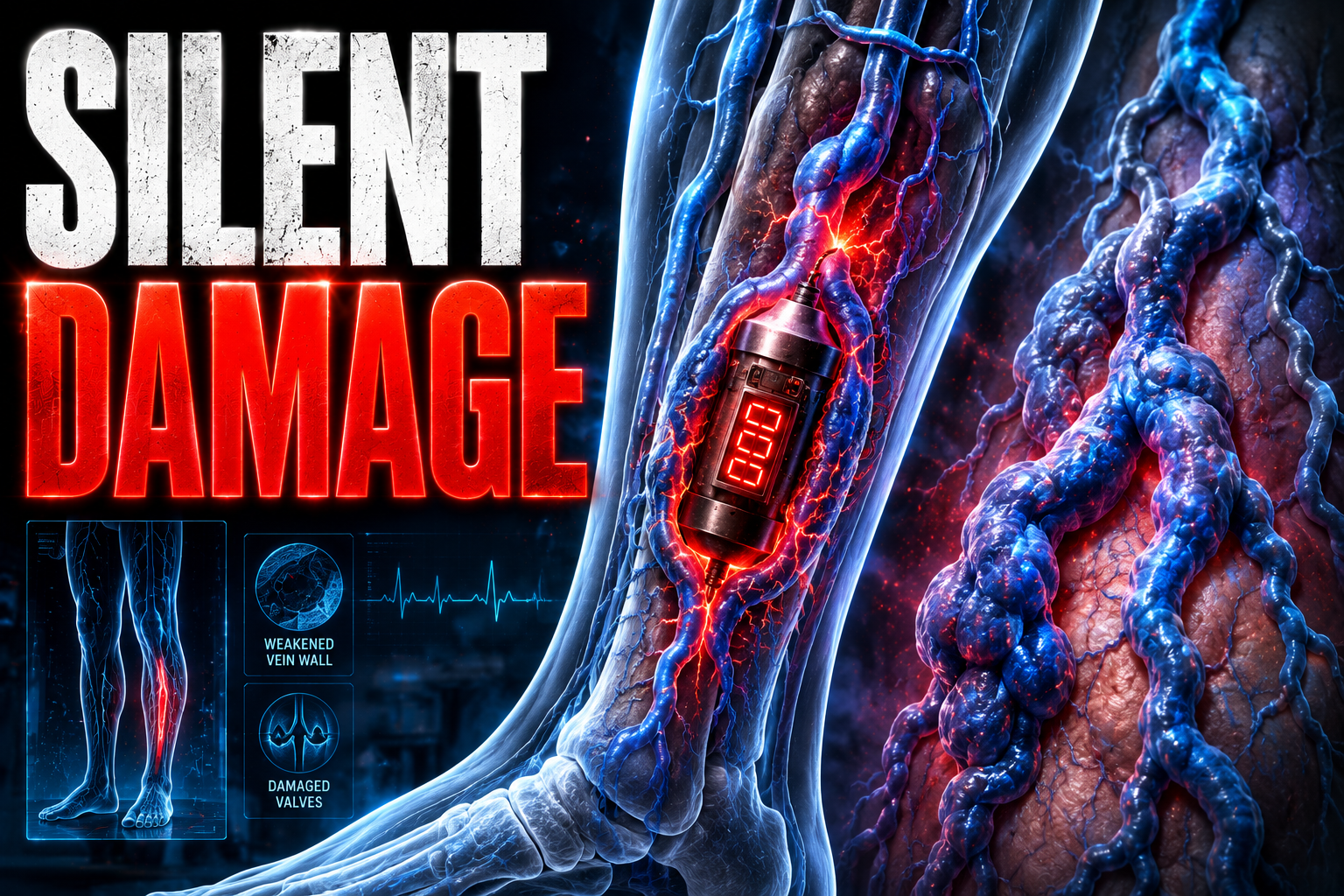
Varicose veins develop when the valves inside the leg veins become weak or damaged, allowing blood to flow backward instead of toward the heart. This causes blood to collect within the veins, increasing pressure and gradually stretching the vein walls.
Over time, the affected veins become enlarged, twisted, and visible beneath the skin. While genetics play an important role, factors such as age, prolonged standing, pregnancy, obesity, and hormonal changes can also increase the risk of developing varicose veins.
Many people think varicose veins are simply a cosmetic concern, but they are often a sign of underlying vein dysfunction. Understanding varicose veins helps explain why they develop and why early evaluation can help prevent symptoms from progressing.
How Do Healthy Leg Veins Work?
Leg veins carry blood back to the heart against gravity.
To make this possible, veins contain one-way valves that:
-
Keep blood moving upward
-
Prevent blood from flowing backward
-
Maintain healthy circulation
-
Reduce pressure inside the veins
Healthy valves are essential for proper blood flow throughout the legs.
What Causes Varicose Veins to Form?
Varicose veins develop when these one-way valves no longer close properly.
As a result:
-
Blood flows backward (venous reflux)
-
Blood pools inside the veins
-
Pressure within the veins increases
-
Vein walls gradually stretch
-
The veins become enlarged and twisted
According to the Society for Vascular Surgery, chronic venous reflux is the primary mechanism responsible for the development of varicose veins.
Who Is Most at Risk?
Several factors increase the likelihood of developing varicose veins.
Common risk factors include:
-
Family history of varicose veins
-
Increasing age
-
Pregnancy
-
Obesity
-
Standing or sitting for long periods
-
Hormonal changes
-
Previous vein injury
Having one or more risk factors does not guarantee varicose veins will develop, but it increases the likelihood.
Why Do Varicose Veins Usually Affect the Legs?
The legs are particularly vulnerable because they carry blood upward against gravity.
This means:
-
Leg veins experience higher pressure.
-
The valves work harder throughout the day.
-
Standing for long periods further increases venous pressure.
These factors make the leg veins more susceptible to valve failure than veins elsewhere in the body.
What Symptoms Can Varicose Veins Cause?
Some people notice only visible veins, while others develop symptoms such as:
-
Aching legs
-
Heaviness
-
Swelling around the ankles
-
Burning or throbbing sensations
-
Night-time leg cramps
-
Itching around the affected veins
-
Fatigue after prolonged standing
Symptoms often become worse later in the day or after standing for long periods.
Can Varicose Veins Become Worse Over Time?
Yes.
Without treatment, varicose veins may gradually progress.
Over time, they can contribute to:
-
Increasing discomfort
-
Persistent leg swelling
-
Skin discoloration
-
Venous eczema
-
Hardening of the skin
-
Venous leg ulcers in advanced cases
The progression varies from person to person, making early assessment important.
How Are Varicose Veins Diagnosed?
Doctors usually begin with:
-
Medical history
-
Physical examination
A Venous Doppler Ultrasound is commonly performed to evaluate:
-
Blood flow
-
Valve function
-
Venous reflux
-
The affected veins
-
Overall vein health
This imaging test helps confirm the diagnosis and guides treatment planning.
What Treatments Are Available?
Treatment depends on the severity of symptoms and the condition of the veins.
Options may include:
-
Lifestyle advice
-
Compression stockings when appropriate
-
Endovenous Laser Treatment (EVLT)
-
Radiofrequency Ablation (RFA)
-
Ultrasound-guided foam sclerotherapy
-
Other minimally invasive procedures
These modern treatments close the diseased vein, allowing blood to flow through healthier veins and improving circulation.
When Should You See a Doctor?
Medical evaluation is recommended if you experience:
-
Persistent leg pain
-
Swelling that does not improve
-
Skin colour changes around the ankles
-
Bleeding from a varicose vein
-
Non-healing leg wounds
-
Increasing discomfort that affects daily activities
Early diagnosis allows treatment before more advanced complications develop.
Conclusion
Varicose veins develop when the valves inside the leg veins stop working effectively, allowing blood to flow backward and collect inside the veins. Genetics, age, pregnancy, prolonged standing, and obesity all contribute to this process. Although many people initially notice only enlarged veins, untreated varicose veins can gradually lead to pain, swelling, skin changes, and other complications if left unmanaged.
Today, minimally invasive vein treatments can effectively treat the underlying cause without the need for major surgery. Procedures such as Endovenous Laser Treatment (EVLT) and Radiofrequency Ablation (RFA) close the diseased veins while preserving healthy circulation and allowing a faster recovery for many patients. Individuals seeking expert evaluation can consult an interventional radiologist Jaipur to discuss the most appropriate treatment based on their symptoms and ultrasound findings.
Frequently Asked Questions
What is the main cause of varicose veins?
The primary cause is failure of the one-way valves inside the veins, allowing blood to flow backward and increase pressure within the veins.
Are varicose veins hereditary?
Yes. A family history of varicose veins significantly increases the likelihood of developing the condition.
Why do varicose veins usually appear in the legs?
The veins in the legs work against gravity to return blood to the heart, making them more vulnerable to increased pressure and valve failure.
How are varicose veins diagnosed?
Doctors usually perform a physical examination and a Venous Doppler Ultrasound to assess blood flow, valve function, and venous reflux.
Can varicose veins be treated without surgery?
Yes. Modern minimally invasive treatments such as Endovenous Laser Treatment (EVLT), Radiofrequency Ablation (RFA), and ultrasound-guided foam sclerotherapy can effectively treat many cases without traditional surgery.
 Portuguese (Brazil)
 English
 Arabic
 French
 Spanish
 Portuguese
 Deutsch
 Turkish
 Dutch
Dutch
 Italiano
 Russian
 Romaian
 Greek
Greek
