


10 Questions to Ask a Destination Wedding Videographer Before You Book
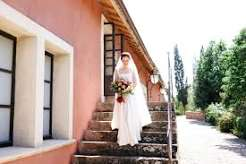
Choosing a destination wedding videographer is one of the few wedding-planning decisions that couples can't undo. Your florist can be swapped, your seating chart can be rewritten the night before, but once your ceremony ends, there is no second take. The person you hire to film that day is responsible for the only moving, living record of it — the sound of your vows, the way your partner's hands shook, the exact golden light on a Provençal terrace at 7:42 p.m.
That's a lot of responsibility to hand to someone you may have only spoken with over a video call. And when the wedding itself is happening in a country neither of you lives in — a château in the Loire Valley, a vineyard estate in Provence, a private villa on the French Riviera — the stakes, and the logistics, only get more complex.
Below are ten questions worth asking before you sign a contract with any destination wedding videographer, along with what a good answer actually sounds like. Whether you're comparing local videographers who "also do destination work" or filmmakers who specialize in international weddings, these questions will help you separate genuine expertise from a nice portfolio and a plane ticket.
1. Do You Specialize in Destination Weddings — or Just Weddings?
There's a meaningful difference between a wedding videographer who occasionally travels and one who has built their entire workflow around destination weddings. Ask how many destination weddings they've filmed in the past two years, and ask specifically what changes about their process when the wedding isn't local. A specialist will have answers ready: how they scout unfamiliar venues remotely, how they build in buffer days for travel delays, how they coordinate with wedding planners across time zones. Someone who dabbles in destination work occasionally may not have those systems in place yet, and you'll be the one who discovers the gaps.
2. Have You Filmed in France Before, and Do You Know the Region?
France is not one wedding market — it's several. A vineyard wedding in Bordeaux moves differently than a formal château wedding outside Paris, and a Riviera wedding in Nice has a completely different rhythm, light, and guest culture than a lavender-field ceremony in Provence. Ask your videographer directly about their experience with wedding videography in Provence, the French Riviera, or wherever your venue sits. Do they know how afternoon light behaves against limestone façades? Have they worked with French wedding planners, caterers, and venue coordinators before? A filmmaker with real regional experience will talk about specific châteaux, specific golden-hour timing, specific logistical quirks of French wedding days — not generic reassurances.
Why Local Knowledge Changes the Final Film
This is one of the most overlooked parts of hiring a destination wedding videographer France couples eventually come to appreciate. A videographer who has already filmed at, or near, your venue type knows where the best natural light falls at 4 p.m. in June versus October, which corners of a courtyard photograph beautifully and which ones fight the camera, and how to work around a French mairie ceremony schedule that often runs earlier in the day than an American or British couple might expect. That familiarity isn't a nice-to-have; it's the difference between a film that feels effortless and one where you can sense the crew improvising.
3. What Is Your Filming Style — Cinematic, Documentary, or a Blend?
Every videographer has a signature approach, and it matters more than most couples initially realize. Cinematic filming leans dramatic — sweeping drone shots, stylized color grading, a film-trailer feel. Documentary-style filming is quieter and more observational, prioritizing candid, unscripted moments over staged beauty shots. Most experienced filmmakers blend the two, but the ratio matters. Ask to watch two or three full-length wedding films (not just highlight reels) shot in a similar setting to yours — ideally a château, vineyard, or coastal venue in France — so you can judge pacing, sound design, and storytelling instinct, not just pretty drone footage.
4. How Do You Handle Travel, Logistics, and Local Permits?
This question separates prepared professionals from videographers who are learning on your dime. Ask who covers travel costs, whether they arrive the day before to scout the venue and check lighting, and whether they're familiar with drone regulations in France — which are stricter than in many other countries and require specific authorizations near historic monuments and certain protected areas. A seasoned destination filmmaker will already have a drone permit process mapped out, or will tell you plainly if aerial footage isn't possible at your venue. Vague answers here are a warning sign, not a minor detail.
5. What Happens if Weather or Timing Changes on the Day?
French weather, particularly in spring and autumn, can turn quickly — a sunny Provençal morning can give way to an afternoon storm. Ask how your videographer adapts when a ceremony gets moved indoors, when the sun sets earlier than the timeline assumed, or when the reception runs two hours behind schedule. Their answer should be calm and specific: backup shot lists, indoor lighting equipment they travel with, and a working relationship with your wedding planner so schedule changes reach them in real time. This is also where it helps to ask about backup camera bodies, extra batteries, and redundant audio recorders — professional-grade contingency planning that protects your footage no matter what the day throws at them.
6. Do You Work Solo or With a Second Videographer?
For an intimate elopement, one filmmaker might be plenty. For a full château wedding with 80–150 guests, a single camera operator will inevitably miss moments — the groom's reaction as the doors open, a parent quietly crying in the third row, the best man's toast falling flat because the camera was still setting up. Ask whether a second shooter is standard or optional, and what each person's role is during the ceremony versus the reception. Multiple angles aren't a luxury add-on so much as insurance against missing the moments you'll want most.
7. What's Included in Your Wedding Videography Package?
Get specific here. Ask exactly how many hours of coverage are included, whether a highlight reel, a full ceremony video, and a feature film are all part of the deliverable, and whether raw footage is available as an add-on. Ask about a same-day edit if that's important to you for the reception. And ask what happens if your wedding runs longer than the contracted hours — is overtime billed per hour, or is there a buffer built in? Couples planning a multi-day celebration, which is common for France destination weddings that include a welcome dinner, a ceremony, and a farewell brunch, should ask specifically whether multi-day coverage is available and how it's priced.
8. How Do You Handle Audio in Outdoor and Historic Venues?
Beautiful footage with poor audio is one of the most common regrets couples have after the fact. Vows exchanged outdoors, in a walled garden, or inside a stone chapel with heavy natural reverb all present real audio challenges. Ask specifically how your videographer captures clean sound — lapel microphones on the couple and officiant, a dedicated audio recorder near the altar, wind protection for outdoor ceremonies. This is a technical detail that rarely comes up in portfolio reviews but has an enormous impact on how emotionally present the final film feels.
9. Can I See Full-Length Films, Not Just Highlight Reels?
A three-minute highlight reel is designed to sell you on a videographer's style; a full-length film shows you their storytelling discipline. Ask to watch at least one complete ceremony video and one complete film from a French or European destination wedding, ideally one with a similar guest count and venue type to yours. Pay attention to pacing, how speeches are edited, and whether quieter, unscripted moments are given room to breathe. This is also a natural point in the conversation to look closely at a filmmaker's destination wedding videography in France portfolio specifically, since French venues bring a different visual language — soft stone, formal gardens, candlelit interiors — than beach or urban weddings elsewhere.
10. What Is Your Turnaround Time and Delivery Process?
Finally, ask when you can expect your finished film, how it will be delivered (cloud link, hard drive, or both), and whether revisions are included if something feels off. Turnaround times for destination weddings often run longer than local ones, since editing frequently happens after the videographer returns home and works through footage from multiple weddings in sequence. A clear, written timeline — not a vague "a few months" — protects you from an open-ended wait for what will likely become one of your most treasured possessions.
Choosing the Right Videographer for Your France Destination Wedding
There's no universal "right answer" to any of these ten questions — a documentary-style filmmaker isn't better than a cinematic one, and a solo shooter can be exactly right for an intimate elopement. What matters is finding someone whose answers are specific, confident, and grounded in real experience with weddings like yours, in a country like France, at a venue like the one you've chosen.
If there's one theme running through all ten questions, it's this: a France destination wedding asks more of a videographer than a local wedding does. The travel, the light, the language, the venue logistics, the layered schedule of a multi-day celebration — all of it requires a level of preparation and regional familiarity that only comes from doing this specific kind of work, repeatedly, in this specific kind of place. That's the difference between a beautiful wedding video and a film that genuinely feels like your wedding, in France, exactly as it happened.
For couples still deep in the research phase, it's worth spending time not just on individual answers but on a filmmaker's full body of work. Browsing a studio's portfolio and past films often tells you more about their storytelling instincts than any single interview question can — how they handle light, how they pace an edit, whether their films feel like the couples in them. Take your time with this decision. Ask the hard questions. And choose the person you trust to hold onto this day, so you can hold onto it too.
 Portuguese (Brazil)
 English
 Arabic
 French
 Spanish
 Portuguese
 Deutsch
 Turkish
 Dutch
Dutch
 Italiano
 Russian
 Romaian
 Greek
Greek
