


Artificial Tears: Benefits, Uses & Best Drops for Dry Eyes
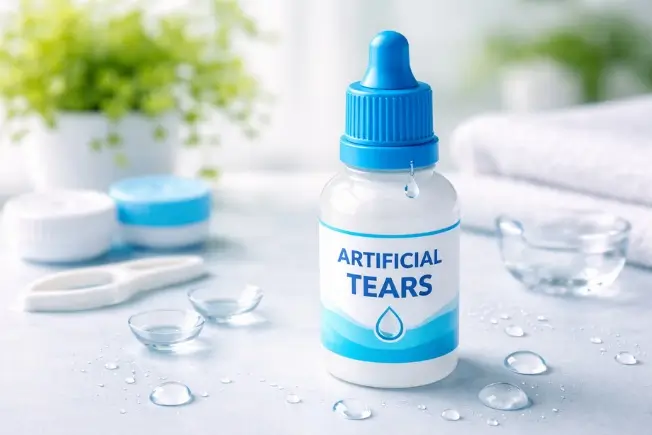
Dry eyes have become one of the most common eye problems in today’s digital world. Whether it’s long hours on screens, environmental pollution, or aging, millions of people experience discomfort due to insufficient tear production or poor tear quality.
One of the simplest and most effective solutions for this condition is artificial tears. These lubricating eye drops help restore moisture, soothe irritation, and improve overall eye comfort.
What Are Artificial Tears?
Artificial tears are specially formulated eye drops designed to mimic natural tears. They help lubricate the eyes' surface, providing relief from dryness, irritation, and discomfort.
Natural tears are made up of three layers:
- Oil layer – Prevents evaporation
- Water layer – Provides hydration
- Mucus layer – Helps tears spread evenly
Artificial tears aim to replicate these layers to maintain a healthy tear film and protect the eye surface.
Why Do You Need Artificial Tears?
Dry eyes occur when your eyes either
1. When Your Eyes Don’t Produce Enough Tears (Aqueous Deficiency)
In this condition, your eyes fail to produce an adequate amount of the watery component of tears.
Why does this happen?
- Aging (tear production naturally decreases over time)
- Hormonal changes (especially in women)
- Certain medications (like antihistamines or blood pressure drugs)
- Medical conditions (such as autoimmune disorders)
- Post eye surgeries like LASIK
What does it feel like?
- Dryness or tightness in the eyes
- Burning or stinging sensation
- Redness
- Feeling like something is stuck in your eye
2. When Tears Evaporate Too Quickly (Evaporative Dry Eye)
This usually happens due to issues in the oil layer of the tear film, which is responsible for preventing evaporation.
Common causes include:
- Excessive screen time (reduced blinking)
- Meibomian gland dysfunction (blocked oil glands in eyelids)
- Environmental factors (AC, pollution, wind)
- Long-term contact lens use
Symptoms you may notice:
- Watery eyes (yes, excessive watering can signal dryness!)
- Blurred or fluctuating vision
- Eye fatigue
- Sensitivity to light
How Do Artificial Tears Work?
Artificial tears work by:
Lubricating the eye surface
When your eyes lack moisture, the surface becomes rough, leading to discomfort and irritation. Artificial tears form a smooth, hydrating layer over the cornea, making your eyes feel refreshed immediately.
Reducing friction during blinking
Every time you blink, your eyelids move across the eye surface. Without proper lubrication, this movement can cause friction, leading to irritation or a gritty sensation.
✔ Stabilizing the tear film
✔ Washing away debris and allergens
✔ Preventing dryness and irritation
They essentially act as a protective shield, keeping your eyes moist and comfortable throughout the day.
Types of Artificial Tears
Not all artificial tears are the same. Choosing the right type depends on the severity of your symptoms and your lifestyle.
Preservative-Free Artificial Tears
These are ideal for:
- Frequent use
- Sensitive eyes
- Post-surgery patients
They come in single-use vials and are safer for long-term use.
Artificial Tears with Preservatives
- Suitable for occasional use
- Available in multi-use bottles
- More affordable
However, overuse may cause irritation in some individuals.
Gel-Based Eye Drops
- Thicker consistency
- Provide longer-lasting relief
- Ideal for moderate dry eye
Best used before bedtime due to temporary blurred vision.
Eye Ointments
- Very thick and long-lasting
- Used for severe dry eye
- Best for nighttime use
Lipid-Based Artificial Tears
These are specially designed for:
- Evaporative dry eye
- Meibomian gland dysfunction
They help restore the oil layer of tears, reducing evaporation.
Benefits of Using Artificial Tears
Artificial tears offer a wide range of benefits, especially for people dealing with chronic dryness.
1. Instant Relief from Dryness
They quickly soothe irritation and discomfort.
2. Improved Vision Clarity
Dry eyes can cause blurry vision. Lubrication improves focus.
3. Protection Against Infection
By keeping the eye surface moist, they reduce the risk of infections.
4. Reduced Eye Strain
Perfect for people who spend long hours on digital screens.
5. Post-Surgery Care
Commonly recommended after LASIK, cataract surgery, or other eye procedures.
How to Use Artificial Tears Correctly
Using artificial tears properly ensures maximum effectiveness.
Step-by-Step Guide:
1. Wash your hands thoroughly
2. Tilt your head back
3. Pull down the lower eyelid
4. Instill 1–2 drops into the eye
5. Close your eyes gently for a few seconds
6. Avoid touching the dropper tip to your eye
How Often Can You Use Artificial Tears?
- Mild dryness: 2-3 times a day
- Moderate dryness: 4-6 times a day
- Severe dryness: As prescribed by an eye specialist
Preservative-free drops can be used more frequently without side effects.
Choosing the Right Artificial Tears
With so many options available, selecting the right one can be confusing.
Severity of dry eye
The first and most important factor is the severity of your dryness.
- Mild Dry Eye: Occasional dryness, slight irritation, or screen fatigue
Drops to choose: Light, watery artificial tears are usually enough - Moderate Dry Eye: Frequent discomfort, burning, or redness
Drops to choose: Gel-based or thicker drops provide longer relief - Severe Dry Eye: Persistent dryness, pain, or blurred vision
Drops to choose: Preservative-free, high-viscosity drops or ointments are recommended
Frequency of use
How often you need eye drops plays a major role in your selection.
- Occasional Use (2–3 times/day):
Drops with mild preservatives can be used safely - Frequent Use (4+ times/day):
Go for preservative-free artificial tears
✔ Presence of preservatives
Artificial tears come in two main categories:
With Preservatives
- Convenient multi-use bottles
- Cost-effective
- Suitable for short-term or occasional use
Preservative-Free
- Safer for long-term use
- Ideal for sensitive eyes
- Best for post-surgery patients (like LASIK or cataract)
If you have chronic dry eye, preservative-free drops are always the better choice.
Are Artificial Tears Safe?
Yes, artificial tears are generally safe and well-tolerated.
Possible Side Effects (Rare):
- Temporary blurred vision
- Mild irritation
- Allergic reactions (rare)
If symptoms persist or worsen, visit an eye specialist.
Artificial Tears vs Natural Remedies
Many people try home remedies like
- Splashing water
- Using rose water
- Applying warm compresses
While these can help, they do not replace the effectiveness of artificial tears.
Artificial tears are:
✔ Clinically tested
✔ Sterile and safe
✔ Designed for long-term relief
When Should You See an Eye Specialist?
While artificial tears can manage mild to moderate dry eyes, consult a doctor if you experience the following:
- Persistent dryness
- Redness or pain
- Sensitivity to light
- Blurred vision
- Eye discharge
These could indicate underlying conditions that require advanced treatment.
Tips to Prevent Dry Eyes
Artificial tears work best when combined with healthy habits.
Lifestyle Tips:
✔ Follow the 20-20-20 rule (every 20 minutes, look 20 feet away for 20 seconds)
✔ Blink frequently while using screens
✔ Stay hydrated
✔ Use a humidifier
✔ Wear sunglasses outdoors
✔ Maintain a balanced diet rich in Omega-3 fatty acids
Artificial Tears for Digital Eye Strain
In today’s digital age, screen exposure is unavoidable.
Common Symptoms:
- Dryness
- Burning sensation
- Eye fatigue
- Headaches
Artificial tears help reduce these symptoms by keeping the eyes lubricated during prolonged screen use.
Artificial Tears After LASIK or Eye Surgery
After procedures like LASIK, the eyes may temporarily produce fewer tears.
Artificial tears:
✔ Promote healing
✔ Reduce discomfort
✔ Prevent dryness
✔ Improve visual recovery
Your doctor may recommend specific preservative-free drops for post-surgical care.
Can Artificial Tears Cure Dry Eyes Permanently?
Artificial tears do not permanently cure dry eyes, but they effectively manage symptoms.
For long-term relief, treatment may include:
- Lifestyle changes
- Prescription medications
- Advanced therapies

 Arabic
 French
 Spanish
 Portuguese
 Deutsch
 Turkish
 Dutch
Dutch
 Italiano
 Russian
 Romaian
 Portuguese (Brazil)
 Greek
Greek
