


Journey to India: A Literary and Travel Lover's Guide
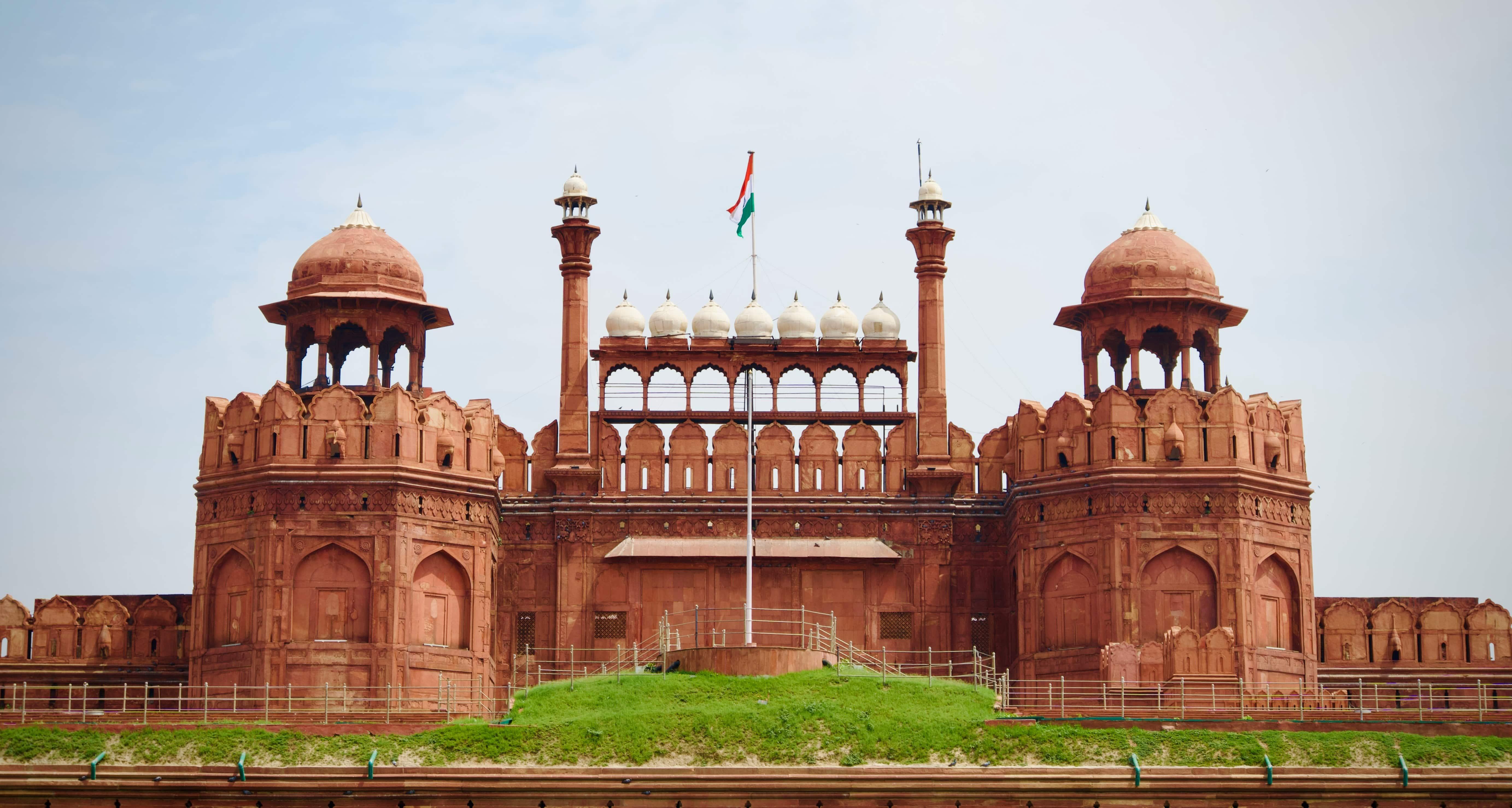
India has inspired more writers, artists, philosophers, and wanderers than almost any other place on earth. The journey to India is not just a physical trip. It is an entry into one of the longest and richest conversations in human history about what it means to be alive, to seek meaning, and to understand a world far larger and more complex than the one you came from. This guide is for American travelers who want to engage with India not just as a destination but as a cultural and intellectual experience, and who want to arrive already in conversation with the place.
Books and Films That Prepare You for the Experience
The reading and viewing you do before your journey to India shapes what you notice when you get there. William Dalrymple's books, particularly City of Djinns about Delhi and The Last Mughal about the fall of the Mughal empire, are among the best written introductions to India's layered history available in English. Arundhati Roy's The God of Small Things gives you a visceral sense of Kerala and caste in a way that no guidebook can. Vikram Seth's A Suitable Boy is long but rewards the investment with an extraordinarily rich portrait of post-independence India. For films, Mira Nair's Monsoon Wedding and Deepa Mehta's Earth offer emotionally powerful windows into Indian family life and history. These are not just good books and films. They are preparation that will make your journey to India significantly deeper.
Walking in the Footsteps of Famous India Travelers
India has attracted extraordinary travelers and writers throughout history and many of their routes are still walkable today. Mark Twain visited India in 1896 and wrote about it in Following the Equator with his characteristic mixture of humor and genuine awe. E.M. Forster's A Passage to India, though fictional, is so grounded in the landscape and social tensions of colonial India that reading it before visiting feels almost like a briefing. The journey to India made by the Beatles in 1968 to study with Maharishi Mahesh Yogi in Rishikesh turned Rishikesh into a global center of yoga and meditation that it remains today. Following these trails, even loosely, gives your trip a sense of conversation with history that enriches the experience.
Spiritual Journeys From Varanasi to the Himalayas
The journey to India has been a spiritual journey for people from around the world for thousands of years, and that dimension remains as alive today as it has ever been. Varanasi on the banks of the Ganges is one of the oldest continuously inhabited cities in the world and one of Hinduism's most sacred sites. The experience of watching the evening aarti ceremony from a boat on the river at dusk is genuinely transformative for many visitors regardless of their own religious background. Rishikesh in the Himalayan foothills is the center of yoga and meditation culture in India, with ashrams and teaching centers ranging from serious traditional institutions to more accessible retreat formats for beginners. Further into the mountains, the landscape itself becomes the spiritual experience.
How India Has Inspired Writers, Artists, and Thinkers
The journey to India has been a creative catalyst for an extraordinary range of artists and thinkers. Hermann Hesse was so deeply influenced by Indian philosophy that it shaped Siddhartha, one of the most widely read novels of the twentieth century. Allen Ginsberg and the Beat Generation traveled to India in the early 1960s and came back permanently changed in their approach to poetry and consciousness. The philosopher and writer Aldous Huxley found in Indian Vedantic philosophy a framework for understanding the mystical experiences he was also exploring through other means. Contemporary writers from Pico Iyer to Patrick French have written some of their most important work about India. The country seems to have a particular capacity to unlock creativity in people who open themselves to it fully.
Journaling Your Own Journey to India as You Go
One of the most valuable things you can do during your journey to India is keep a written record of it as it happens. Not a polished travel blog draft, but raw notes: what surprised you, what confused you, what moved you, what you smelled and heard that you cannot photograph. The sensory and emotional intensity of India creates experiences that fade faster than you expect once you are back in your normal environment. A journal captures those specifics before they blur. Write every day if you can, even if it is just a paragraph. Note the names of people you talked to, the dishes you ate and where, the things you saw that you did not expect. Years later, those details will be more valuable than almost any other souvenir you bring home.
how to plan an India trip package
Returning Home: How the Journey to India Never Really Ends
The journey to India does not end when you board your return flight. It continues in the weeks and months afterward as you process what you experienced and integrate it into how you see the world. Most travelers notice changes in themselves that they cannot fully articulate at first. A different relationship to time. A changed sense of what constitutes hardship. A new curiosity about parts of the world and human experience they had not previously thought much about. An increased tolerance for ambiguity and a decreased need for everything to go according to plan. These shifts are the real souvenirs of an India journey and they tend to grow in value over time rather than fading. The traveler who goes to India open and comes back changed is not a cliche. It is simply what tends to happen.
Q: What is the best book to read before a first journey to India?
William Dalrymple's City of Djinns is one of the most accessible and beautifully written introductions to India for Western readers, specifically focused on Delhi. For a broader overview of Indian history and culture, his Nine Lives is also excellent and covers the entire country through nine individual portraits.
Q: Are there literary tours or book-themed travel experiences available in India?
Yes, several operators run literary and heritage tours in cities like Delhi, Kolkata, and Jaipur that focus on the history of writing, publishing, and intellectual life in India. The Jaipur Literature Festival, held every January, is one of the largest free literary festivals in the world and a genuinely extraordinary experience for book lovers.
Q: How do I find an ashram or meditation retreat in India that is right for me?
Research thoroughly before committing to any residential spiritual program. Look for centers with transparent pricing, clear descriptions of what the program involves, and verifiable reviews from recent participants. Rishikesh and Mysore are the most established centers for yoga and meditation with the widest range of options for international visitors at different experience levels.

 Arabic
 French
 Spanish
 Portuguese
 Deutsch
 Turkish
 Dutch
Dutch
 Italiano
 Russian
 Romaian
 Portuguese (Brazil)
 Greek
Greek
