


ORFS Hydraulic Fittings: The Complete Guide to O-Ring Face Seal Technology
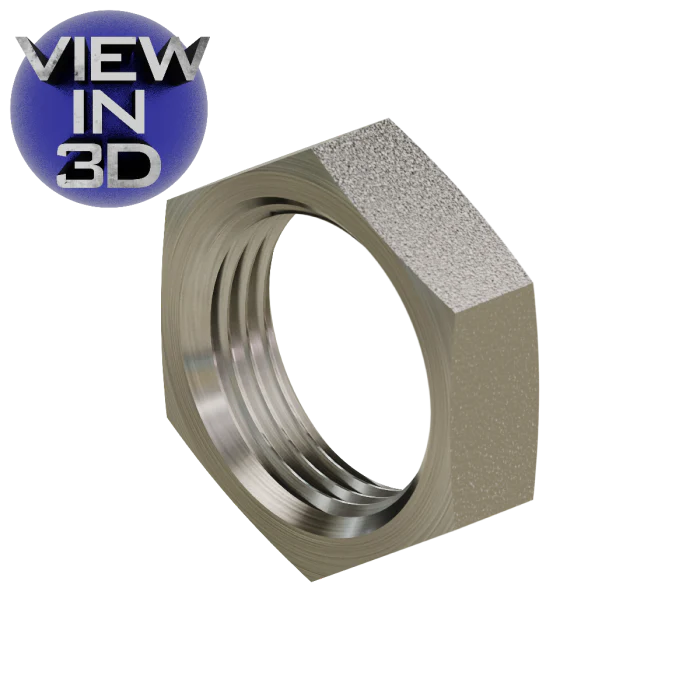
When it comes to leak-free hydraulic connections operating under high pressure and demanding conditions, ORFS hydraulic fittings O-Ring Face Seal fittings — stand in a class of their own. Whether you work in construction, agriculture, oil & gas, mining, or manufacturing, understanding how ORFS fittings work (and why they outperform other fitting types) can save you thousands of dollars in downtime, fluid loss, and system repairs.
In this comprehensive guide, we break down everything you need to know about ORFS hydraulic fittings: what they are, how they work, their advantages, common configurations, installation best practices, and how to source the right fittings for your application.
What Are ORFS Hydraulic Fittings?
ORFS stands for O-Ring Face Seal. These are hydraulic fittings designed with a flat sealing face on the male end and a recessed groove that holds a soft elastomeric O-ring. When the male and female ends are threaded together, the O-ring compresses against the flat face, creating an exceptionally tight, leak-resistant seal.
ORFS fittings are standardized under SAE J1453 and are widely recognized as one of the most reliable sealing technologies available for hydraulic systems, especially in high-vibration environments and systems operating at pressures above 3,000 PSI.
Key Components of an ORFS Fitting
• Male ORFS end features a flat face machined to precise tolerances with straight (UNF) threads
• Female ORFS swivel end includes a recessed groove designed to seat the O-ring
• O-ring typically made from Buna-N (NBR), EPDM, Viton, or other elastomers depending on the fluid compatibility
• Swivel nut allows the fitting to be rotated during installation without twisting hoses or tubes
How Do ORFS Fittings Work?
The sealing mechanism of ORFS fittings is fundamentally different from tapered thread fittings like NPT or compression fittings. Instead of relying on thread deformation or sealants, ORFS fittings use radial compression of an O-ring against a machined flat face.
Here is how the sealing process works step by step:
1. The O-ring is seated in the recessed groove on the female swivel end
2. As the male and female ends are threaded together, the flat machined face of the male end contacts the O-ring
3. Further tightening compresses the O-ring by approximately 15–25% of its cross-sectional diameter
4. This compression creates a positive, leak-free seal that holds even under pressure spikes and vibration
5. The straight UNF threads carry the mechanical load; the O-ring carries the sealing load
Because the seal is achieved by the O-ring and not the threads, thread damage or slight under-torqueing is far less likely to cause leaks compared to NPT pipe fittings.
ORFS vs. Other Hydraulic Fitting Types
To appreciate the value of ORFS fittings, it helps to compare them to the other major hydraulic fitting standards.
ORFS vs. JIC (37-Degree Flare)
JIC fittings (SAE J514) use a 37-degree flare to create their metal-to-metal seal. While JIC fittings are widely used and reliable, they can be susceptible to leaks if the flare is damaged or improperly made. ORFS fittings are generally more leak-resistant because the elastomeric O-ring compensates for minor surface imperfections and maintains its seal under thermal cycling.
ORFS vs. NPT (Tapered Pipe Thread)
NPT fittings rely on thread interference and sealants (PTFE tape or pipe dope) to prevent leaks. This makes them unsuitable for high-pressure hydraulic systems where vibration can cause thread loosening. NPT connections also cannot be easily disassembled and reassembled without risk of leakage. ORFS fittings can be disconnected and reconnected multiple times without degrading the seal, as long as the O-ring is replaced as needed.
ORFS vs. ORB (O-Ring Boss)
ORB fittings (SAE J1926) seal at the thread root using an O-ring, whereas ORFS seals at the face. ORB fittings are commonly used for port connections in manifolds and valve bodies, while ORFS fittings are preferred for hose and tube connections where the swivel feature is beneficial. Both are excellent sealing technologies, but ORFS provides a more robust seal in dynamic and high-vibration applications.
Advantages of ORFS Hydraulic Fittings
ORFS fittings have become the preferred choice in many modern hydraulic systems for good reason. Here are the key benefits:
• Zero-leak performance the elastomeric O-ring creates a positive seal that does not rely on thread torque alone
• Reusability fittings can be disconnected and reconnected many times; simply replace the O-ring to restore the seal
• High-pressure capability ORFS fittings are rated for pressures exceeding 6,000 PSI in many configurations
• Vibration resistance the O-ring absorbs micro-movements and maintains its seal where metal-to-metal contact would fail
• Thermal cycle resistance the elastomeric seal compensates for expansion and contraction across wide temperature ranges
• No sealant required eliminates the mess and inconsistency of PTFE tape or pipe dope
• Easy installation straight threads are easier to start and less prone to cross-threading than tapered threads
• Swivel capability female swivel ends allow for flexible positioning during assembly without twisting hoses
Common ORFS Fitting Configurations
ORFS fittings are available in a wide range of configurations to suit virtually any hydraulic plumbing requirement. The most common types include:
• ORFS Straight Adapters — Connect two lines of the same or different sizes in a straight run. Available in male-to-male and male-to-female variations.
• ORFS 45° and 90° Elbows — Allow direction changes in tight spaces without bending hoses or tubes sharply. Available in fixed and swivel versions.
• ORFS Tees and Crosses — Enable splitting or combining hydraulic flow at a single point, critical in manifold systems.
• ORFS to JIC Adapters — Allow mixed-standard systems to be connected reliably during equipment upgrades or repairs.
• ORFS to NPT Adapters — Interface ORFS hose lines with NPT-threaded ports on pumps, cylinders, and valves.
• ORFS Caps and Plugs — Used to seal off unused ports or protect fittings during shipping and storage.
• ORFS Hose End Fittings — Crimped or reusable ends that attach ORFS connections directly to hydraulic hose assemblies.
ORFS Fitting Size Chart and Thread Identification
ORFS fittings are available in sizes ranging from -4 (1/4-inch) to -32 (2-inch) according to the SAE dash size system. Each dash size corresponds to a specific thread size and O-ring groove diameter.
Common ORFS size-to-thread conversions:
• -4 (1/4") → 9/16-18 UNF
• -6 (3/8") → 11/16-16 UN
• -8 (1/2") → 13/16-16 UN
• -10 (5/8") → 1-14 UNS
• -12 (3/4") → 1-3/16-12 UN
• -16 (1") → 1-7/16-12 UN
• -20 (1-1/4") → 1-11/16-12 UN
• -24 (1-1/2") → 2-12 UN
• -32 (2") → 2-1/2-12 UN
To identify an ORFS fitting in the field, look for a flat machined face on the male end (no flare angle) combined with straight UN/UNF threads. A quick way to distinguish ORFS from JIC is the sealing face ORFS is flat, while JIC has a 37-degree cone.
ORFS Fitting Materials: Steel vs. Stainless Steel
ORFS fittings are manufactured in several materials, with carbon steel and stainless steel being the most common choices for industrial hydraulic applications.
Carbon Steel ORFS Fittings
• Most economical option for standard hydraulic systems
• Typically zinc-plated for corrosion resistance
• Suitable for mineral-based hydraulic oils, water-glycol fluids, and petroleum-based fluids
• Not recommended for saltwater or highly corrosive chemical environments
• Standard choice for construction, agriculture, and manufacturing equipment
Stainless Steel ORFS Fittings
• 316L or 304 stainless steel for maximum corrosion resistance
• Ideal for offshore, marine, food processing, and chemical processing applications
• Compatible with a wider range of process fluids including acids, caustics, and seawater
• Higher cost than carbon steel but essential where corrosion is a concern
• Available in the same full range of configurations as carbon steel ORFS fittings
At Gear House Hydraulics, both steel and stainless ORFS fittings are stocked and available for immediate shipment across the USA.
O-Ring Material Selection for ORFS Fittings
The O-ring is the heart of the ORFS sealing system. Selecting the correct O-ring material for your hydraulic fluid is critical to long-term seal integrity.
• Buna-N (NBR) — Standard choice for mineral oil-based hydraulic fluids. Temperature range -40°F to +250°F. Most common.
• Viton (FKM) — For synthetic hydraulic fluids, phosphate esters (Skydrol), and high-temperature applications up to +400°F.
• EPDM — For water-glycol hydraulic fluids and some brake fluid applications. Not compatible with petroleum oils.
• PTFE / Teflon — Where chemical resistance is paramount. Lower compression set but excellent chemical compatibility.
• Neoprene (CR) — General purpose; moderate oil and weather resistance. Good for refrigerant applications.
How to Install ORFS Hydraulic Fittings Correctly
Proper installation is the single biggest factor in achieving a leak-free ORFS connection. Even the best fitting will leak if installed incorrectly. Follow these steps:
6. Inspect all components check that the O-ring is present, not damaged, and properly seated in its groove. Verify that the flat face on the male end is clean and free of nicks or burrs.
7. Lubricate the O-ring apply a thin film of clean hydraulic fluid or petroleum jelly to the O-ring. This prevents tearing during make-up and helps achieve consistent compression.
8. Hand-start the threads begin threading by hand to ensure the threads are properly engaged and not cross-threaded.
9. Tighten to the flat turn the fitting until the fitting face contacts the O-ring and resistance is felt. This is the 'finger-tight' or 'flat' position.
10. Apply the final torque tighten according to the manufacturer's torque specifications for the fitting size. Do NOT use PTFE tape or pipe sealant ORFS fittings do not require them.
11. Inspect after pressurization after the system is pressurized, inspect the connection for any signs of leakage. A properly installed ORFS fitting should show zero weeping or dripping.
12. Torque values: Always refer to the SAE J1453 or manufacturer torque chart for your specific size. Over-torqueing can cut the O-ring; under-torqueing can allow the fitting to loosen.
Common ORFS Fitting Failures and How to Prevent Them
Understanding why ORFS fittings fail helps you prevent costly downtime:
• Missing or displaced O-ring — Always visually inspect before assembly. Store O-rings properly to prevent them from falling out of swivel nuts.
• O-ring cut during installation — Lubricate the O-ring before assembly and avoid rotating the male body against the O-ring once contact is made.
• Damaged flat face — Inspect faces before assembly. Even minor scratches can allow leakage. Replace damaged fittings.
• Wrong O-ring compound — Verify fluid compatibility. Using a Buna-N O-ring with phosphate ester fluid will cause rapid O-ring deterioration.
• Overtightening — Use a torque wrench. Overtightening extrudes the O-ring and can crack the fitting body.
• Thread galling (stainless fittings) — Use anti-seize compound on stainless steel threads to prevent galling during assembly.
Industries That Rely on ORFS Hydraulic Fittings
ORFS fittings are the connector of choice across a diverse range of heavy industries:
• Construction & Heavy Equipment: Excavators, loaders, cranes, and paving equipment operate under high pressure with constant vibration. ORFS fittings prevent the leaks that plagued older tapered-thread connections.
• Agriculture: Combines, tractors, and irrigation systems demand reliable fittings that can be serviced in the field. ORFS swivel ends simplify hose replacement at harvest time.
• Oil & Gas: Drilling rigs and production equipment operate at extreme pressures and in highly corrosive environments. Stainless ORFS fittings with Viton O-rings are the standard for these applications.
• Mining: Underground equipment requires zero-leak hydraulic systems where fluid spills create both safety and environmental hazards.
• Marine: Deck machinery, steering systems, and stabilizer circuits in marine vessels use stainless ORFS fittings to resist saltwater corrosion.
• Manufacturing & Automation: Hydraulic presses, injection molding machines, and robotic systems need leak-free connections that can withstand millions of pressure cycles.
Where to Source Quality ORFS Hydraulic Fittings
Sourcing ORFS fittings from a knowledgeable, stocked distributor makes a significant difference in system reliability. A reputable supplier should offer:
• A complete range of sizes from -4 to -32 in both steel and stainless steel
• Full catalog of configurations including straight, elbow, tee, adapters, caps, and plugs
• Multiple O-ring compounds including NBR, Viton, and EPDM
• Technical support for application and compatibility questions
• Fast shipping with nationwide coverage
For industrial-grade ORFS hydraulic fittings with expert support, Gear House Hydraulics stocks a comprehensive range of both steel and stainless ORFS fittings

 English
 Arabic
 French
 Spanish
 Portuguese
 Deutsch
 Turkish
 Dutch
Dutch
 Italiano
 Romaian
 Portuguese (Brazil)
 Greek
Greek
