


Decoding the Translatome: How Integrated Ribosome Solutions Accelerate Disease Research and Drug Discovery
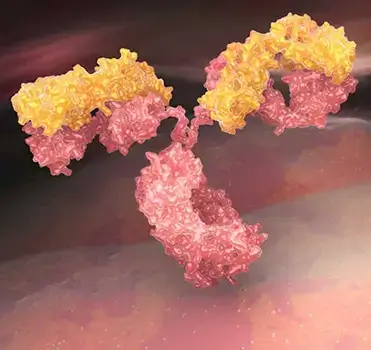
For decades, transcriptomics (RNA-Seq) has been the gold standard for understanding cellular behavior. However, tracking mRNA abundance only tells half the story. The correlation between mRNA levels and actual protein synthesis is frequently non-linear due to complex translational regulation. To bridge this gap, researchers are increasingly turning to translatomics—the global study of mRNAs actively undergoing translation. At the heart of this field lies the ribosome, the cell’s sophisticated macromolecular protein factory.
Investigating ribosome dynamics, structural alterations, and extra-ribosomal functions presents formidable technical challenges. From isolating fragile ribonucleoprotein complexes to parsing multi-omic datasets, every step demands extreme precision. To overcome these bottlenecks, academic and biopharmaceutical researchers rely on integrated workflows that streamline everything from sample preparation to targeted tool development.
Securing the Bedrock: High-Quality Ribosome Isolation
The journey into translatomics begins with flawless sample preparation. Ribosomes are highly sensitive to environmental shifts. Cellular lysis must be gentle enough to preserve intact polysomes or distinct subunits (such as 30S, 50S, 40S, or 60S) while rapidly neutralizing endogenous RNases that degrade fragile mRNA chains. Traditional crude isolation methods often suffer from low yields or contaminant carryover, which compromises downstream structural biology or in vitro assays.
To mitigate these risks, implementing specialized ribosome separation and extraction services is paramount. Utilizing advanced techniques like optimized sucrose density gradient centrifugation, Ribosome Affinity Purification (RAP), and Translating Ribosome Affinity Purification (TRAP), scientists can isolate pure, functionally active total ribosomes or targeted subpopulations. These high-resolution methods provide the pristine starting materials necessary for downstream structural analysis, high-throughput drug screening, or translational tracking.
Mapping the Translatome via Precise Profiling
Once pure ribosome populations are obtained, the next critical objective is deciphering their operational landscape. Ribosome profiling (Ribo-Seq) has emerged as a revolutionary methodology, capturing a high-resolution "snapshot" of active translation by sequencing the exact mRNA fragments shielded from enzymatic digestion by the ribosome.
Transforming these raw, short-read sequencing files into actionable biological insights requires robust computational pipelines. Partnering with professional ribosome analysis services enables researchers to map ribosome-protected fragments (RPFs) with absolute codon resolution. Comprehensive bioinformatic pipelines unlock critical metrics such as:
Translational Efficiency: Quantifying the real-time translation rate of specific transcripts across diverse disease models.
Ribosome Pausing & Stalling: Pinpointing exact positions where translation slows down, a phenomenon frequently tied to protein misfolding in neurodegenerative disorders.
Non-Canonical Translation: Uncovering hidden regulatory regions, such as upstream open reading frames (uORFs) or small ORFs, which often reveal novel disease biomarkers.
By integrating next-generation sequencing (NGS) with customized multi-omics analysis, researchers can rapidly extract preclinical insights from complex biological samples.
Investigating Ribosomopathies with Targeted Immune Reagents
Beyond their canonical role in peptide synthesis, individual ribosomal proteins are increasingly recognized for their extra-ribosomal functions. Mutations or expression shifts in these proteins can cause "ribosomopathies"—a class of disorders linked to bone marrow failure, developmental defects, and elevated cancer susceptibility where ribosome biogenesis goes awry.
Probing these structural variations and cellular pathways requires reliable, highly specific antibodies. However, because ribosomal proteins are highly conserved across species, off-the-shelf antibodies frequently suffer from cross-reactivity or poor sensitivity. Custom ribosomal marker antibody development services solve this hurdle by employing sophisticated bioinformatic antigen design. By precisely targeting unique epitopes, specific post-translational modifications (PTMs) like phosphorylation or ubiquitination, or novel conformational states, these custom programs deliver tailored tools. Rigorous validation across platforms like Western Blotting (WB), Immunohistochemistry (IHC), and Immunofluorescence (IF) ensures that the resulting reagents deliver reproducible, publication-quality data.
Conclusion
Deciphering the complexities of protein translation holds the key to uncovering untapped therapeutic targets and addressing multi-system diseases. By leveraging an end-to-end strategy—spanning premium extraction, deep translatomic sequencing, and customized antibody discovery—research teams can eliminate protocol optimization delays and focus entirely on downstream therapeutic breakthroughs.
 Italiano
 English
 Arabic
 French
 Spanish
 Portuguese
 Deutsch
 Turkish
 Dutch
Dutch
 Russian
 Romaian
 Portuguese (Brazil)
 Greek
Greek
