


The Digital Dinner Plate: A Look Inside the Global Online Food Delivery Industry
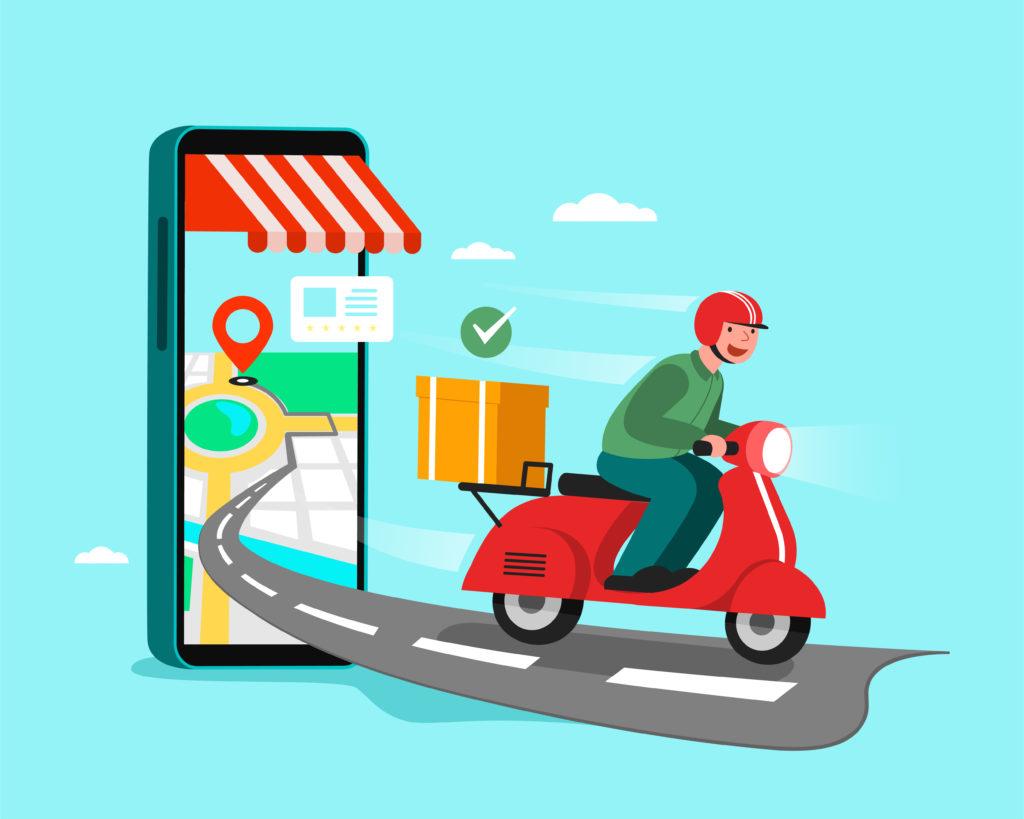
The fundamental relationship between people and prepared food has been radically reshaped by the rapid ascent of the global Online Food Delivery industry. This dynamic sector has evolved far beyond a simple phone call to a local pizzeria, transforming into a sophisticated, technology-driven ecosystem that connects millions of consumers with a vast array of culinary options at the tap of a button. At its core, the industry operates as a complex three-sided marketplace, intricately balancing the needs and incentives of consumers seeking convenience, restaurants aiming to expand their reach, and a fleet of delivery drivers pursuing flexible income opportunities. This intricate network is powered by advanced logistics software, real-time data analytics, and user-friendly mobile applications, creating a seamless and on-demand experience. From bustling urban centers to increasingly suburban landscapes, the industry has cemented itself as an essential utility in modern life, profoundly altering dining habits, urban logistics, and the very economics of the restaurant business itself, making it a critical component of the digital economy.
The industry is primarily structured around two dominant business models. The first, and most prevalent, is the platform-to-consumer model, also known as the aggregator model. In this setup, companies like DoorDash, Uber Eats, and Deliveroo act as a digital intermediary. They create a single platform that aggregates menus from a multitude of independent and chain restaurants, providing consumers with a wide selection in one place. These platforms handle the entire customer experience, from order placement and payment processing to dispatching a driver and providing real-time tracking. Their revenue is generated through a combination of commission fees charged to the restaurants (often a significant percentage of the order value), delivery fees paid by the consumer, and sometimes, through advertising and premium placement for restaurants on their app. This model's strength lies in the extensive choice and convenience it offers to consumers, effectively creating a virtual food court on their smartphones.
The second model is the more traditional restaurant-to-consumer model, which has been updated for the digital age. This is the approach taken by large, vertically integrated chains like Domino's Pizza or Papa John's, which have invested heavily in building their own proprietary online ordering websites, mobile apps, and, in many cases, their own dedicated delivery fleets. The primary advantage of this model for the restaurant is complete control over the customer experience, branding, and, most importantly, the customer data. By owning the entire process, they avoid paying the hefty commission fees charged by third-party aggregators, which can significantly improve their profit margins. While this model requires substantial upfront investment in technology and logistics, it allows these major chains to build direct relationships with their customers, foster loyalty through their own rewards programs, and maintain the integrity of their brand from the kitchen to the customer's front door.
The operational backbone of the entire platform-to-consumer model is the gig economy and the vast network of independent delivery drivers. These platforms do not employ drivers directly but classify them as independent contractors, providing them with a flexible opportunity to earn income by accepting delivery jobs through a dedicated driver app. The sophistication of the logistics software that powers this network is immense. It uses complex algorithms to batch orders, calculate the most efficient routes in real-time considering traffic and weather, and dynamically price deliveries based on supply and demand. This technology is the "secret sauce" that allows these platforms to orchestrate hundreds of thousands of simultaneous deliveries across a city. However, this model is also the industry's most significant source of controversy and regulatory scrutiny, with ongoing global debates about worker classification, pay, and benefits, a challenge that will continue to shape the industry's future.
Top Trending Reports:

 English
 Arabic
 French
 Spanish
 Portuguese
 Deutsch
 Turkish
 Dutch
Dutch
 Italiano
 Russian
 Portuguese (Brazil)
 Greek
Greek
