


Optoma Projectors: The Underrated Upgrade Most Gamers Overlook
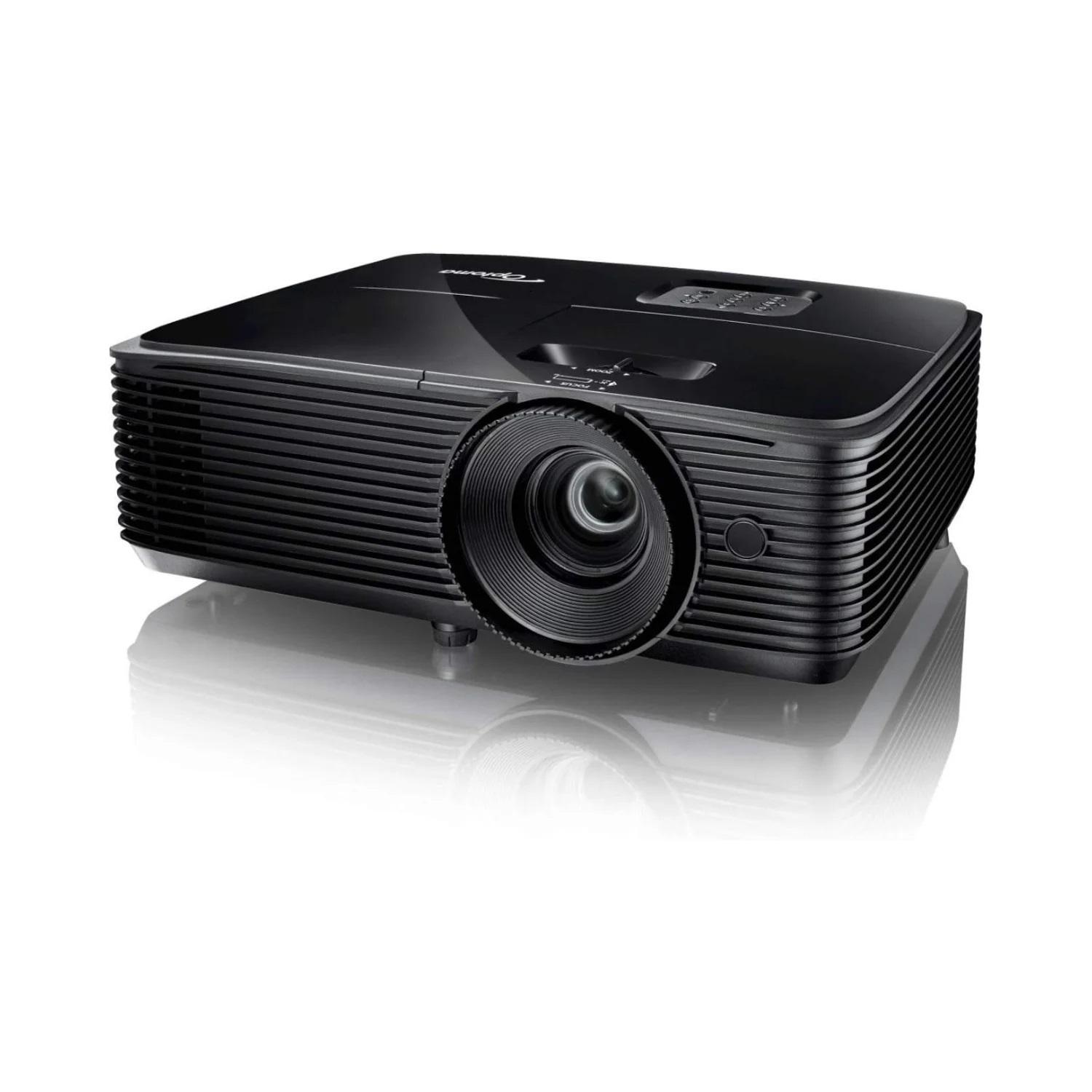
When gamers talk about leveling up their setup, the conversation almost always goes the same direction: a better monitor, a faster GPU, maybe a new chair if the budget allows. Projectors rarely come up, and that's a little strange, because the right one can deliver something no 27-inch monitor ever will: a genuinely massive, immersive screen without spending TV-money to get it. Optoma has spent years building a lineup specifically aimed at closing the gap between "projector" and "gaming display," and it's worth understanding why their models keep showing up in setup threads and recommendation lists across the US.
Why Optoma Projectors Got a Bad Reputation With Gamers
The old complaint about gaming on a projector was simple: input lag. Older projectors, especially home-theater models built purely for movie watching, processed the image through enough internal steps that by the time it hit the screen, you were a frame or two behind what was happening on-screen. In a single-player story game, that's barely noticeable. In anything competitive, it's the difference between landing a shot and wondering why you didn't.
There's also the room-size myth, the idea that you need a dedicated home theater with 12+ feet of throw distance just to get a usable image. And then there's the brightness concern: older lamp-based units would wash out badly in any room with windows or overhead lighting, which made daytime gaming sessions look dim and flat.
All three of these complaints were legitimate criticisms of projector technology a decade ago. They're far less true today, and Optoma's current lineup is a big part of why that reputation needs updating.
How Optoma Actually Fixed the Input Lag Problem
Optoma addressed the lag issue head-on with dedicated gaming modes and genuinely fast panels. Models like the HD39HDR and UHD38 support 120Hz and 240Hz refresh rates respectively, with low-input-lag modes built specifically for console and PC gaming. That's not a marketing footnote, it's the actual difference between a projector that feels responsive and one that feels like playing through a slight delay.
The way this works under the hood: gaming mode strips out a lot of the post-processing (motion smoothing, color enhancement passes, noise reduction) that home-theater modes apply to make movies look better. That processing takes time, even if it's measured in milliseconds, and in fast-paced games those milliseconds are the gap between feeling sharp and feeling sluggish. By offering a mode that skips most of that processing, Optoma effectively gives gamers a near-direct pipeline from console/PC to screen.
For context, competitive shooter players generally want input lag under 20ms to feel "instant." Optoma's gaming-focused models in fast mode are landing well within that range, on par with a lot of dedicated gaming monitors, which is a genuinely different conversation than projectors used to have.
The Short-Throw Advantage for Smaller Rooms
A common assumption is that projectors need a massive room to work. Optoma's short-throw and ultra-short-throw models break that assumption directly. Units in the ZH500UST line can sit just inches from the wall and still throw a screen size that would normally require a much bigger room, which matters a lot for anyone gaming out of an apartment, a dorm, or a smaller bedroom setup rather than a dedicated home theater.
This isn't a minor convenience. Standard-throw projectors typically need to sit somewhere between 8 and 15 feet from the wall to produce a 100-inch image, which simply isn't possible in a lot of US apartments and smaller homes. Ultra-short-throw models compress that distance to inches, meaning the projector can sit on a low media console right against the wall and still deliver the same massive screen size. For renters or anyone without a dedicated media room, that single feature can be the deciding factor in whether a projector setup is even feasible.
HDR and Color: Where It Actually Matters for Games
HDR support isn't just a buzzword reserved for movies, it changes how games look in ways that are genuinely noticeable during actual play: brighter highlights, deeper shadows, and more visible detail in dark scenes that would otherwise just look like a black smear on a lower-end display. Open-world games with dynamic lighting, horror games built around shadow and contrast, and anything with a stylized art direction all benefit noticeably from proper HDR handling.
Optoma's HDR10-compatible models bring that benefit to the big screen, and the laser-powered options (like the UHZ58LV) push contrast and color accuracy well beyond what older lamp-based projectors were ever capable of. Laser light sources in particular tend to produce richer, more saturated color and deeper black levels than traditional lamps, which directly improves perceived contrast, a big factor in how "real" an image feels, especially in darker game environments.
Lamp vs. Laser: The Decision That Actually Affects Your Wallet
If you're projector shopping for gaming specifically, the lamp-vs-laser decision matters more than most spec-sheet comparisons. Lamp-based projectors are cheaper upfront, but the bulb degrades over time and needs replacing every couple thousand hours of use, often a $150–$300 expense, which adds up if you're gaming several hours a day, every day. A heavy daily gamer can burn through a traditional lamp's rated lifespan faster than they'd expect.
Laser engines cost more initially but last dramatically longer, often rated for 20,000–30,000 hours, which makes more sense for anyone treating their projector as a daily-driver display rather than an occasional movie-night setup. If you're gaming for even two or three hours a day, the laser option will likely outlast the rest of your gaming rig before it needs any kind of light-source maintenance at all.
Picking the Right Model for Your Setup
A few practical things matter more than marketing copy when narrowing down a choice:
Room lighting matters more than most people expect. A dark, dedicated gaming room can get away with lower lumen counts, somewhere around 1,500–2,500 lumens. A room with windows or ambient overhead light needs something brighter, generally 3,000+ lumens, to keep the image from washing out during the day.
Refresh rate and input lag should be the top priority if competitive or fast-paced games are the main use case. If your library leans more toward slower-paced single-player titles, this matters less, and you can prioritize image quality and contrast instead.
Throw distance determines whether a standard or short-throw model actually fits your space. This is worth measuring before buying, not after, since returning a projector because it doesn't physically fit the room is an avoidable headache.
Resolution is also worth thinking through honestly. True 4K projectors (like the UHD38 and UHZ58LV) deliver noticeably sharper detail, especially on text-heavy UI elements and fine textures, but 1080p models remain a perfectly reasonable, more affordable option for anyone not chasing every last bit of sharpness.
Setting Up a Projector-Based Gaming Station
For anyone making the switch from monitor to projector, a few setup details make a real difference in the experience:
Screen material matters more than people assume. A proper projection screen reflects light more evenly than a plain wall, improving both brightness and color accuracy. It's a relatively cheap upgrade that meaningfully improves image quality.
Audio needs separate consideration. Most projectors have weak built-in speakers, pairing with even a basic soundbar or 2.1 speaker setup makes a much bigger difference to the overall experience than people expect going in.
Cable length and HDMI version matter for keeping that low input lag intact. A cheap, overly long HDMI cable can introduce its own lag or signal issues, so it's worth using a quality cable rated for the resolution and refresh rate you're targeting.
Why This Matters for the Average US Gamer Right Now
The broader trend in gaming setups over the past few years has been chasing bigger, more immersive displays, ultrawide monitors, larger TVs, and now, increasingly, projectors as people realize how much the category has improved. For a fraction of the cost of a comparably sized high-end TV, a projector with proper gaming-focused features delivers a genuinely cinematic scale that's hard to replicate any other way in a normal home.
Optoma's gaming-oriented lineup has quietly closed most of the gaps that used to make projectors a bad fit for serious gamers: input lag, room flexibility, and color accuracy are all far better than the projectors people remember from a decade ago. For anyone chasing a genuinely massive screen without paying TV-sized prices, it's worth a serious look.
Where to Find the Right Model
The current lineup of Optoma projectors spans everything from budget-friendly 1080p gaming models to full 4K laser units, all available through Jazz Cyber Shield as an authorized US-based reseller. Buying through authorized distribution matters here too, it's the difference between a projector backed by full manufacturer warranty support and one that might leave you stranded if anything goes wrong down the line.
Whether the goal is a competitive gaming setup that needs every millisecond of responsiveness, or a more relaxed couch-gaming station built around scale and picture quality, there's a strong chance Optoma already makes the right model. The harder part now isn't finding a good projector, it's just figuring out which one actually fits your room and your games.
 Portuguese
 English
 Arabic
 French
 Spanish
 Deutsch
 Turkish
 Dutch
Dutch
 Italiano
 Russian
 Romaian
 Portuguese (Brazil)
 Greek
Greek
