


Early Warning Signs of Poor Oral Health You Should Not Ignore
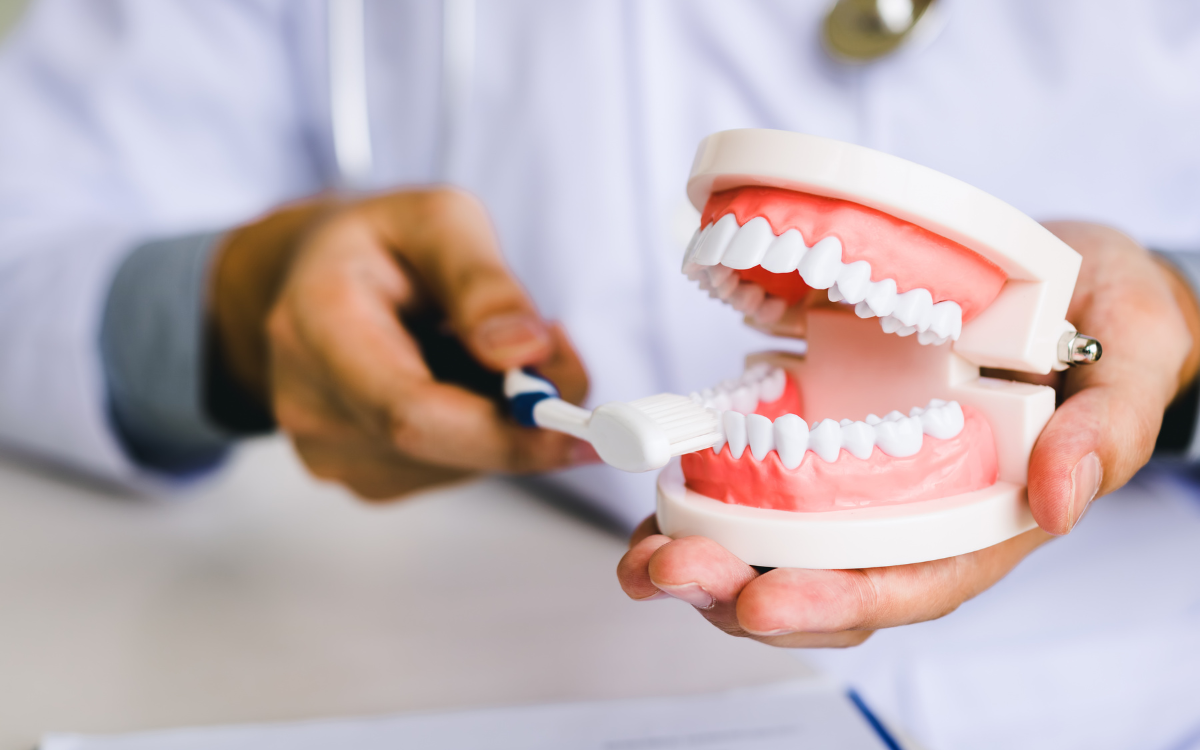
Oral health problems often develop slowly, which makes them easy to overlook in the beginning. Many people assume that if there is no pain, everything is fine. However, most dental issues start quietly and become more serious over time if not addressed early.
Recognizing the early warning signs can help prevent complications and protect both teeth and gums from long term damage.
Why Early Detection Matters
Early detection is one of the most important parts of maintaining good oral health. Small issues such as mild gum irritation or slight tooth sensitivity may not seem serious at first, but they can indicate underlying problems.
When identified early, these conditions are easier and less expensive to treat. Ignoring them often leads to more complex dental procedures later.
Bleeding or Swollen Gums
One of the most common early signs of oral health problems is bleeding gums, especially during brushing or flossing. This can be an early indicator of gum disease.
Swollen or tender gums may also suggest inflammation caused by plaque buildup. If left untreated, this can progress into more serious periodontal issues.
Persistent Bad Breath
Bad breath that does not improve with regular brushing or mouthwash can be a sign of deeper dental concerns. It may be linked to bacteria buildup, gum disease, or even cavities.
When oral hygiene routines are not enough to fix the issue, it is important to get a professional evaluation.
This is why monitoring oral health regularly plays a key role in identifying hidden problems early.
Tooth Sensitivity
Increased sensitivity to hot, cold, or sweet foods can indicate enamel erosion or early stages of tooth decay. While occasional sensitivity may not be serious, persistent discomfort should not be ignored.
This symptom often signals that the protective layer of the tooth is weakening.
Tooth Discoloration or Spots
Changes in tooth color, such as dark spots or white patches, can be early signs of decay. These visible changes often indicate that bacteria are affecting the enamel.
Identifying and treating these signs early can prevent further damage.
Pain or Discomfort While Chewing
Pain while chewing or biting down may indicate a cavity, cracked tooth, or other structural issue. Even mild discomfort should be checked by a dentist to prevent worsening conditions.
Ignoring this symptom can lead to more severe dental problems over time.
Changes in Gum Appearance
Healthy gums are usually firm and pink. If gums appear red, receding, or unusually soft, it may indicate an underlying issue.
Gum recession can expose tooth roots, increasing sensitivity and risk of decay.
Why Regular Checkups Are Important
Many early oral health problems are not visible or painful in the beginning. Regular dental checkups help identify these issues before they progress.
Dentists can detect early signs of decay, gum disease, and other conditions that may not be noticeable at home.
Final Thoughts
Poor oral health often develops gradually, but early warning signs should never be ignored. Paying attention to changes in gums, teeth, and breath can help prevent serious dental problems.
With proper care and regular dental visits, most oral health issues can be managed effectively before they become more complex.

 English
 Arabic
 French
 Spanish
 Portuguese
 Deutsch
 Turkish
 Dutch
Dutch
 Italiano
 Romaian
 Portuguese (Brazil)
 Greek
Greek
