


Why Do Some Onion Sites Disappear Overnight?
Did you know that nearly half of the websites on the Tor network are inaccessible at any given moment? Compared to the regular internet where you expect a site to stay up for years, the dark web is a area of shifting shadows. You might find a helpful resource today, only to find a "404 Not Found" or a timed out connection tomorrow morning - this disappearing act is not always a sign of something bad but it is a core part of how these private networks function.
When you use the Tor browser, you are entering a space where anonymity is the priority - this focus on privacy creates a very different environment for hosting content. On the standard web, companies pay large sums to keep their servers running 24/7 with massive teams. In the world of onion routing, many sites run on private hardware or small, hidden servers that do not have the same level of support. If a single person forgets to pay a bill or a power outage hits a specific home office, the site simply vanishes from the digital map.
The Unstable Nature of Onion Networks
The main reason you see sites go offline is the way the network handles traffic. Every onion address is a complex string of characters that represents a public key. Because there is no central registry like a standard domain provider, the connection depends on a series of nodes to find the destination. If the path between you and the server breaks, the site appears to be gone even if the server is still running. It is a fragile chain where every link must stay strong for you to see the content.
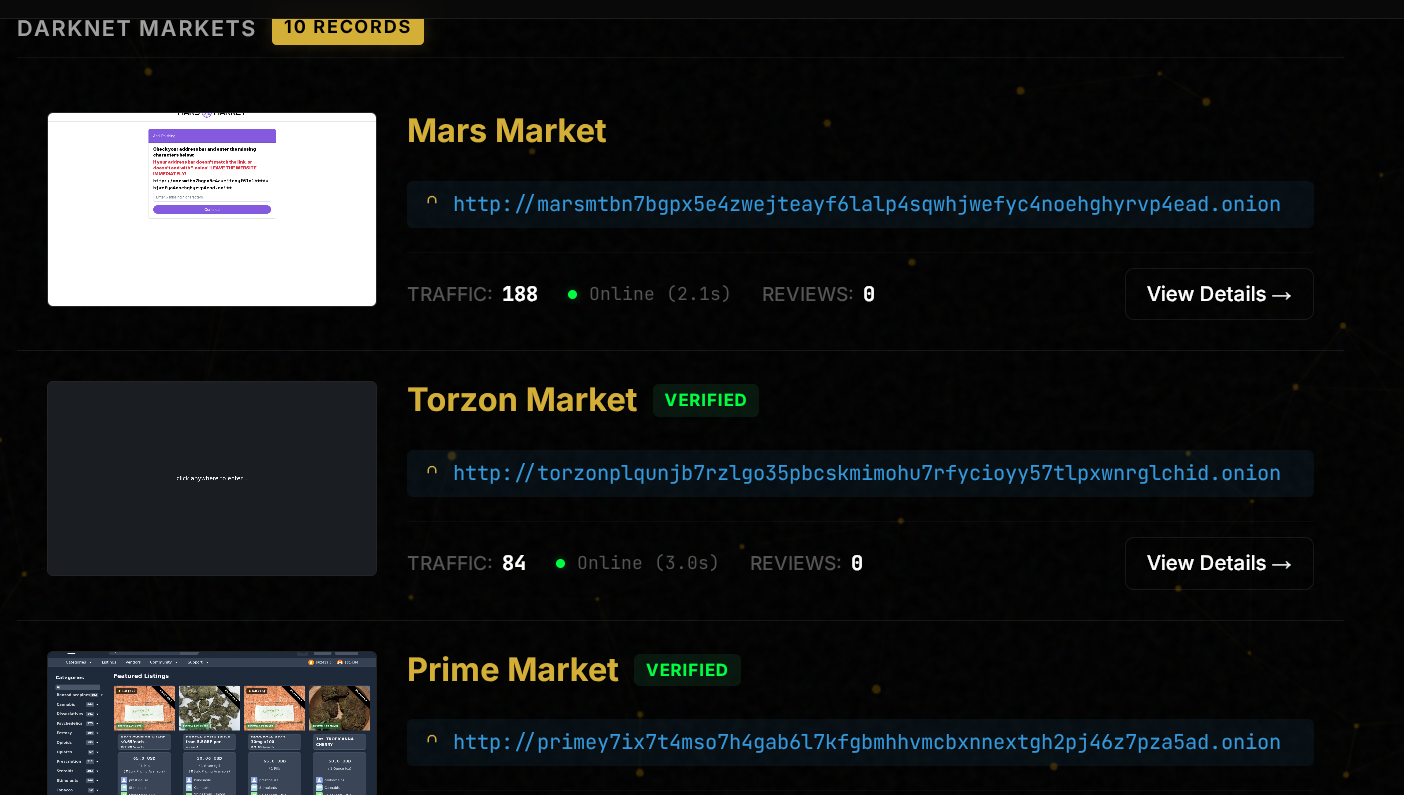
Volatility is a feature, not just a bug, for many creators in this space. Some people set up temporary pages for specific projects and then delete them once the goal is met. You are often looking at a "pop-up" digital world where permanence is rare - this makes it difficult for users to build a reliable list of bookmarks. Many people rely on a dark web directory to find updated pathways to active services because what worked yesterday is often broken to this day.
Hosting costs and technical knowledge also play a role - Many onion sites are passion projects. If the creator loses interest or runs out of funds, they pull the plug. Compared to a standard blog that might sit idle for years, an onion site requires active maintenance to stay visible within the Tor relay system. When the effort stops, the site disappears into the void almost immediately.
Technical Hurdles & Server Maintenance
Running a hidden service is technically demanding - Standard websites use "Always-On" cloud hosting from giant corporations. In contrast, many onion sites run on "V3" onion services which require constant synchronization with the network. If the server software falls out of date, the network will no longer recognize the address. Small errors in the configuration file can make a site unreachable for hours or days while the owner tries to fix the code.
The Tor network also suffers from occasional "Denial of Service" attacks - these attacks flood a small site with so much fake traffic that it crashes. Because onion sites often run on limited bandwidth, they are easy targets for these disruptions. You might find that a site is gone in the evening but back in the morning once the attack stops. The most common technical issues include
- Misconfigured Torrc files on the host server.
- Clock synchronization errors between the server and the network.
- Expired or corrupted hidden service keys.
- Hardware failure on home based server rigs.
Privacy-focused browsing requires patience because of the hurdles. If you are looking for specific types of adult content or niche communities, you might notice these outages more often - those who want to find adult-oriented onion resources often have to check multiple mirrors because the primary links are so frequently under maintenance or moving to new server locations to avoid lag.
Security Pressures & Voluntary Shifting
Security is the biggest driver of the "overnight disappearance" phenomenon. If a site owner feels that their server location is no longer private, they will "burn" the site, which means they delete everything and start over with a brand new address - this protects the identity of the person running the site and the individuals visiting it. In this world, staying in one place for too long is often seen as a security risk.
Sometimes, the disappearance is because of external pressure. Service providers that allow anonymous hosting may receive complaints or face legal hurdles, leading them to shut down entire blocks of sites. When this happens, dozens of sites might vanish at the exact same time. It is a cat-and-mouse game where site owners are always one step ahead of those who want to find their physical location.
You should also consider the "Exit Scam" or "Final Sunset" This happens when a site that handles transactions or user data decides to close its doors permanently. Instead of announcing a closing date, they simply turn off the server and walk away - this is why seasoned users of the network never keep funds or sensitive data on an onion site for longer than necessary. Transience is the only constant.
How to Navigate Safely When Links Break
When you encounter a dead link, don't panic - It does not always mean the site was "busted" or that you are in trouble for clicking it. Many of the time, it is just a technical glitch. You should never try to force a connection to a site that is acting strangely. If a site asks you to download new software to "fix" the connection, close your browser immediately - that is a common trick used to spread malicious files.
To stay connected, you should use reliable entry points that verify links frequently. Instead of clicking random links on forums, use a trusted privacy-focused browsing guide to find the correct path - this reduces the risk of landing on a "clone" site. Clones are fake versions of disappeared sites designed to steal your login information. Always check the URL carefully before entering any data.
Follow these steps to stay safe
- Always use the latest version of the Tor Browser.
- Never provide personal identity details on any onion site.
- Keep your security slider set to "Safer" or "Safest" in the browser settings.
- Assume that any site could vanish tomorrow and back up your own data accordingly.
The dark web is a living, breathing entity - It changes every hour. By understanding that sites are temporary, you can navigate it with the right expectations. Treat it like a visit to a temporary festival rather than a permanent city. Enjoy the information while it is there but do not be surprised when the tent is packed up and moved to a new field overnight.
FAQ
Why does my favorite onion site say "Onion Site Not Found"?
This usually means the server is offline or the Tor network cannot find a path to it - it could be because of maintenance, a change in the site's address or the owner shutting down the project. Check back in 24 hours to see if it returns.
Are disappearing sites always a sign of a scam?
No, many legitimate privacy projects go offline because of technical bugs or lack of funding. If a site that held your money disappears, it is very likely a scam or a permanent closure.
How can I find a site if its address has changed?
You should look for official mirrors or check updated directories that track active onion links. Many site owners also have a PGP-signed message on their old site (if it still loads) or on trusted forums announcing their move.
Is it dangerous to click on a link that is broken?
Clicking a broken link is generally not dangerous, as the browser simply fails to connect. The danger comes if you follow "mirror" links from untrusted sources that might lead to phishing sites designed to look like the original.

 English
 Arabic
 Spanish
 Portuguese
 Deutsch
 Turkish
 Dutch
Dutch
 Italiano
 Russian
 Romaian
 Portuguese (Brazil)
 Greek
Greek
