


What Are the Dangers of Trekking the Annapurna Circuit? A Complete Safety Guide for Trekkers
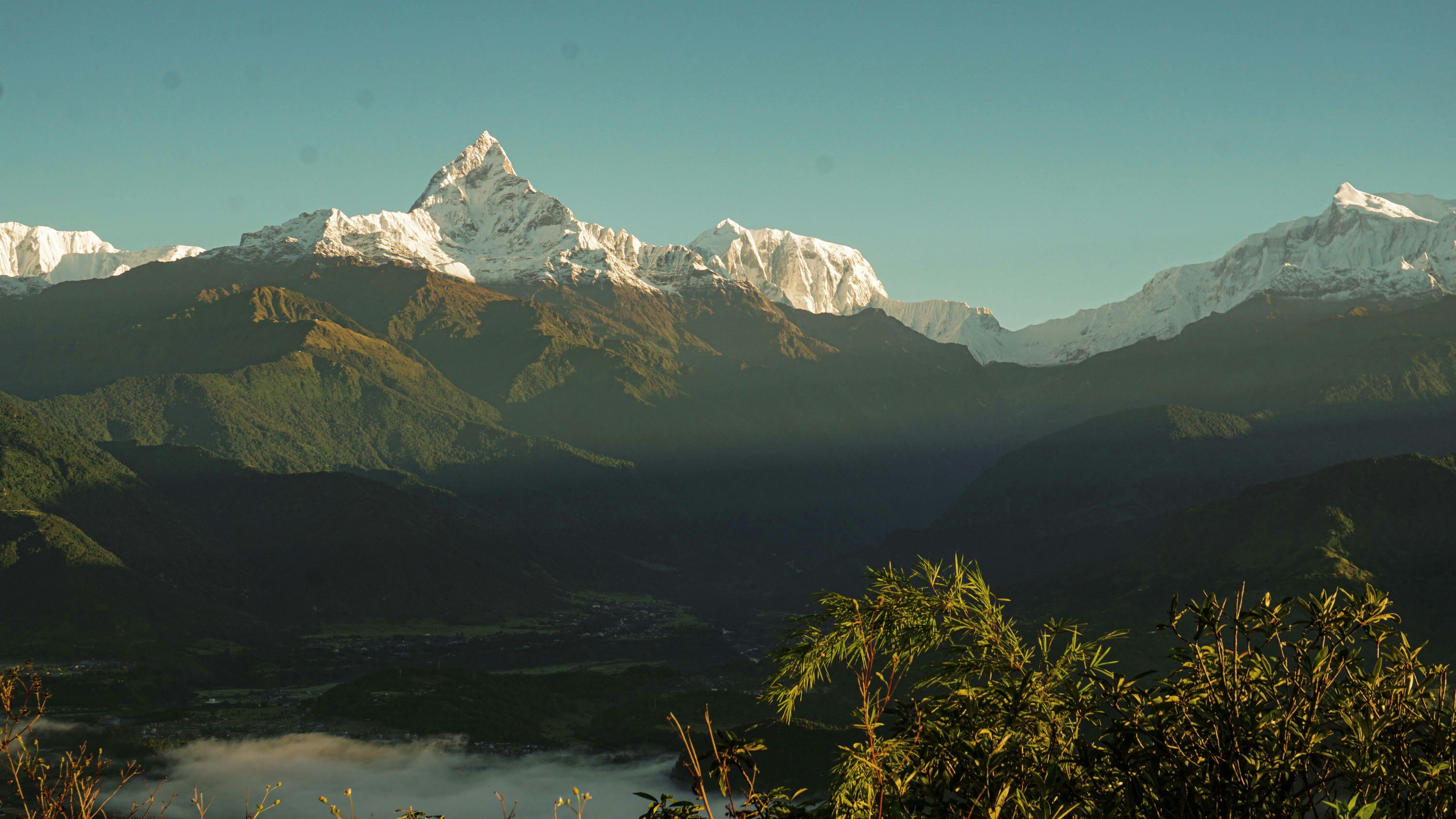
The mountains are breathtaking, but they always demand respect. The Annapurna Circuit is one of Nepal's most famous trekking adventures, attracting travelers from around the world with its stunning landscapes, rich culture, and challenging trails. While the journey offers unforgettable memories, it also comes with real risks that every trekker should understand. With good preparation and professional support from Best Trek Adventure, you can enjoy this incredible trek safely and confidently.
Why Safety Matters on the Annapurna Circuit
The Annapurna Circuit takes trekkers through beautiful forests, traditional villages, river valleys, and high mountain passes. The trail reaches its highest point at Thorong La Pass, which stands at 5,416 meters above sea level.
As the altitude increases, conditions become more challenging. Weather can change quickly, and some sections of the trail are far from medical facilities. Understanding these challenges before you begin can make your trek safer and more enjoyable.
Altitude Sickness Is the Biggest Risk
Altitude sickness is the most common danger on the Annapurna Circuit. At higher elevations, there is less oxygen in the air, making it harder for your body to adjust.
Common symptoms include headache, dizziness, nausea, tiredness, and shortness of breath. If symptoms become severe, trekkers should descend immediately and seek medical help. Taking time to acclimatize, drinking plenty of water, and avoiding rapid ascents can greatly reduce the risk.
Unpredictable Mountain Weather
The weather in the Himalayas can change without warning. A bright and sunny morning can quickly become cold, windy, or snowy.
Heavy snowfall can make trails slippery and difficult to follow, especially near Thorong La Pass. Strong winds and low temperatures can also increase the risk of hypothermia. Trekkers should always carry warm clothing, waterproof gear, and check weather forecasts before setting out each day.
Trail Injuries and Physical Exhaustion
The Annapurna Circuit involves many days of walking on uneven terrain. Long climbs, steep descents, and rocky paths can be physically demanding.
Common injuries include sprained ankles, sore muscles, blisters, and knee pain. Good trekking boots, trekking poles, and proper fitness training before the trip can help prevent many of these problems.
Remote Locations and Limited Medical Facilities
Although the Annapurna Circuit is a well-known trekking route, some areas remain remote. Medical facilities are available in larger villages, but advanced treatment may not be nearby.
In emergencies, helicopter evacuation may be required. This is why travel insurance that covers high-altitude trekking is highly recommended. Carrying a basic first-aid kit is also a smart idea.
Landslides and Natural Hazards
Certain sections of the trail are prone to landslides, especially during the monsoon season. Falling rocks and unstable paths can create dangerous conditions.
Trekkers should follow local advice, stay alert on risky sections, and avoid trekking during periods of severe weather whenever possible.
How Best Trek Adventure Helps Keep Trekkers Safe
Choosing an experienced trekking company can make a big difference. Best Trek Adventure provides professional guides, carefully planned itineraries, permit assistance, transportation services, and valuable local knowledge. Their team helps trekkers acclimatize properly, monitor weather conditions, and respond quickly if challenges arise during the journey.
With experienced support, travelers can focus more on enjoying the trek and less on worrying about logistics and safety concerns.
Final Thoughts
The Annapurna Circuit is one of the world's great trekking adventures, offering breathtaking scenery and unforgettable cultural experiences. However, high altitude, changing weather, physical challenges, and remote terrain make preparation essential. By understanding the risks, following safety guidelines, and trekking with a trusted company like Best Trek Adventure, you can experience the beauty of the Himalayas with greater confidence and peace of mind. A safe trek is not just about reaching the destination—it is about enjoying every step of the journey.

 English
 French
 Spanish
 Portuguese
 Deutsch
 Turkish
 Dutch
Dutch
 Italiano
 Russian
 Romaian
 Portuguese (Brazil)
 Greek
Greek
