


DG Furniture Insights: Materials and Climate Control for an Effective Museum Showcase
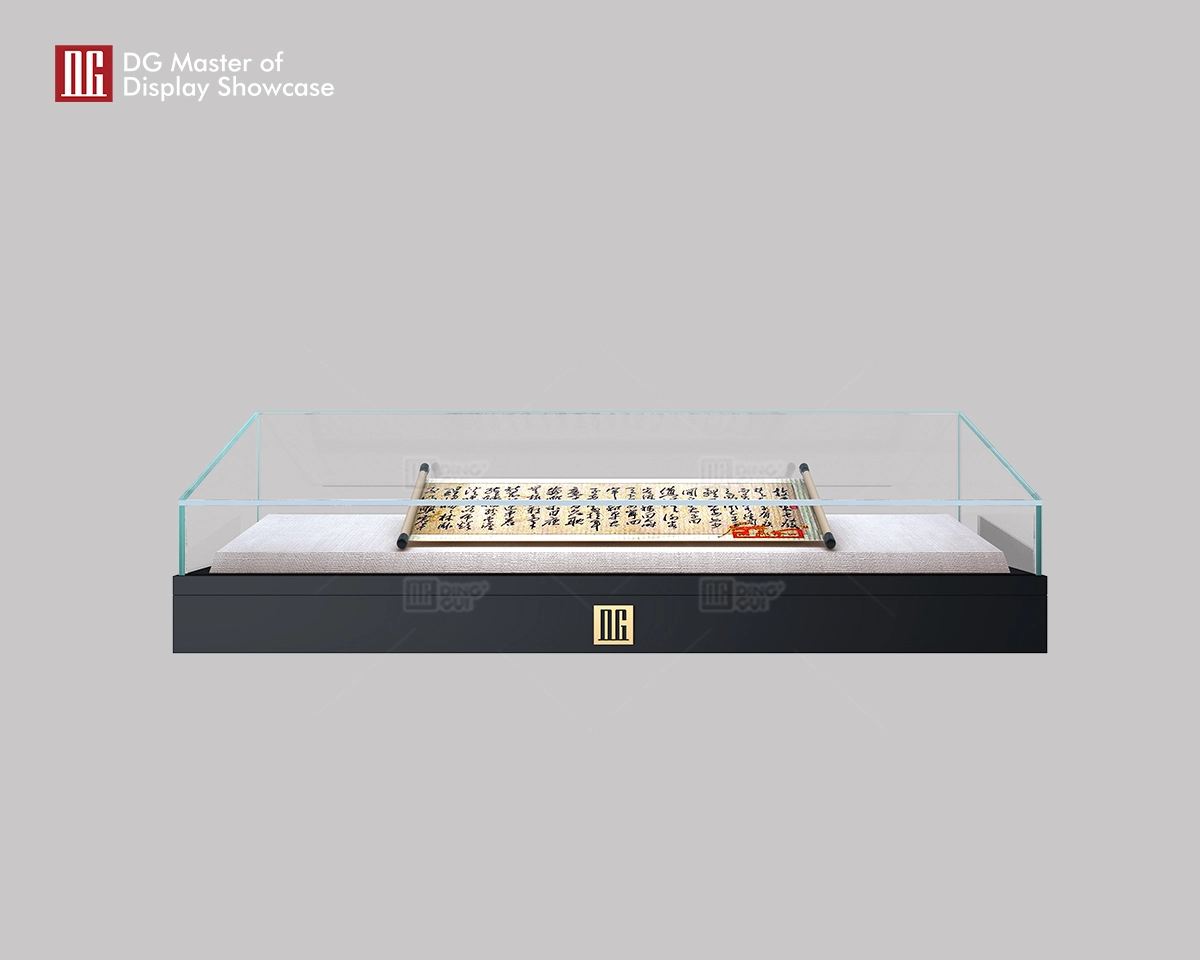
Understanding the materials science and climate control engineering behind effective museum display cases helps curators appreciate why certain construction approaches genuinely protect artifacts better than others that might look superficially similar at first glance. Two cases can appear nearly identical in a catalog photo while performing very differently once installed in an actual gallery environment, since the details that matter most, sealing precision, material inertness, and buffering capacity, rarely show up in a simple product image. Curators who understand these underlying technical fundamentals are far better equipped to ask the right questions during procurement, rather than relying purely on a manufacturer's own claims about performance.
Selecting Inert Construction Materials
Effective showcase construction begins with genuinely inert materials that won't release harmful chemical compounds into the sealed internal environment, since even small amounts of off-gassing from adhesives, sealants, or certain wood products can accumulate over time and cause genuine damage to sensitive artifacts. Manufacturers committed to conservation-grade construction test their material choices against established standards, avoiding components known to release volatile organic compounds that could compromise the very artifacts a case is meant to protect. Institutions should request material safety documentation as a standard part of their procurement process rather than an optional extra consideration.
Engineering Effective Sealing Systems
Sealing quality directly determines whether a showcase can actually maintain the controlled microclimate that protects artifacts from fluctuating gallery conditions, making precise gasket design and airtight construction genuinely essential rather than a minor manufacturing detail. Well-engineered sealing systems maintain their effectiveness across repeated opening and closing cycles throughout years of conservation access, rather than degrading quickly in ways that would compromise long-term climate stability. Periodic seal inspection, built into a facility's standard maintenance schedule, helps catch this kind of gradual degradation before it becomes a genuine conservation concern. Facilities staff trained to recognize early warning signs of seal degradation help institutions catch these issues well before they escalate.
Integrating Humidity Buffering and Monitoring
Many institutions incorporate silica gel or other humidity buffering materials directly into their showcase design, providing passive climate stabilization that reduces reliance on active mechanical systems while still maintaining the stable conditions sensitive artifacts genuinely require. Increasingly, institutions also integrate monitoring sensors that track internal humidity and temperature continuously, giving conservators genuine visibility into case conditions without requiring constant manual measurement throughout the exhibition period. Institutions increasingly value this kind of passive monitoring capability, since it reduces the staff time otherwise needed for manual condition checks. Institutions with limited conservation staffing find this kind of passive monitoring particularly valuable for maintaining oversight across a large gallery footprint.
Choosing Appropriate Glazing for Light and Climate Protection
Glazing selection affects both light filtration and overall climate performance, since glazing quality influences how effectively a case maintains thermal stability alongside its role in filtering damaging ultraviolet wavelengths from artifact exposure. A well-specified museum showcase pairs appropriate glazing with the case's broader climate control strategy, ensuring these two protective functions work together rather than being addressed as entirely separate, disconnected design considerations. Coordinating these two protective functions early in the design process avoids the compromises that can occur when they're addressed separately by different specialists. Coordinating this early avoids the frustration of discovering conflicting requirements only once fabrication has already begun.
Balancing Active and Passive Climate Control Approaches
Some institutions require active climate control systems that mechanically regulate internal case conditions, while others rely successfully on passive approaches using quality sealing and buffering materials alone, with the right choice depending on collection sensitivity, gallery environmental stability, and institutional budget realities. Manufacturers experienced in both approaches help institutions select the genuinely appropriate strategy for their specific situation rather than defaulting to unnecessarily complex or expensive solutions regardless of actual need. This tailored approach ultimately protects institutional budgets while still delivering the genuine conservation performance each specific collection requires.
Applying These Material and Climate Principles Effectively
Curators who understand these underlying material and climate control principles can evaluate potential showcase specifications with considerably more technical confidence than those relying purely on manufacturer assurances without deeper understanding. This knowledge ultimately supports better conservation outcomes, helping institutions select display equipment that genuinely protects their collections throughout years of continued exhibition and public engagement. Curators who apply this technical understanding consistently ask sharper, more productive questions during manufacturer evaluation conversations. This deeper technical literacy ultimately supports better collection outcomes across every future showcase project an institution undertakes. Few habits deliver this much practical value relative to the modest effort genuinely required.

 English
 Arabic
 French
 Spanish
 Portuguese
 Deutsch
 Turkish
 Dutch
Dutch
 Italiano
 Russian
 Romaian
 Portuguese (Brazil)
