


How to Make Graphic Files Sharp and Easy to Use
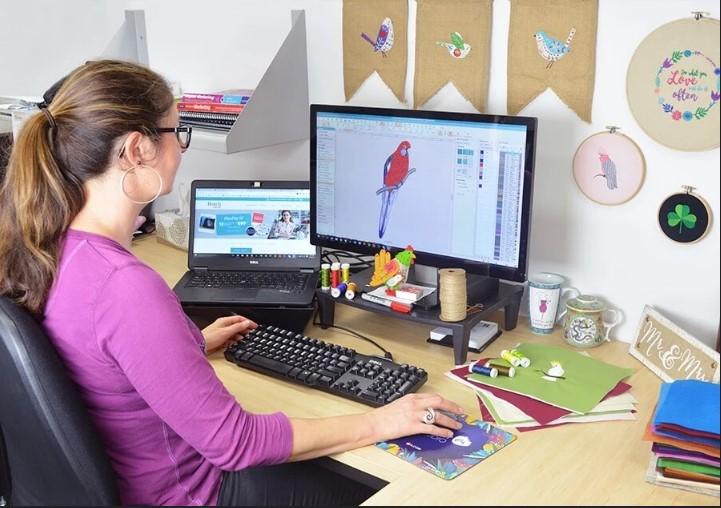
Graphic files are everywhere. They are used for logos, printing, embroidery, websites, signs, and more. But not all files are clean or easy to work with. Some look sharp on screen but break when resized. Some are hard to edit. Others lose quality when printed.
That is why many designers look for solutions like Image to PXF file Conversion when working with detailed artwork. It helps turn basic image files into cleaner, structured formats that are easier to use in real design and production work.
Why File Quality Matters in Design Work
A graphic file is more than just a picture. It is a working tool.
Good Graphic Files Help You:
-
Resize without blur
-
Edit colors easily
-
Adjust shapes fast
-
Print with clarity
-
Save production time
Bad Graphic Files Cause:
-
Pixel blur
-
Broken edges
-
Editing limits
-
Printing errors
-
Wasted effort
Clean files always perform better.
What Makes a Graphic File “Sharp”
Sharp files stay clear no matter how they are used.
Key Features of Sharp Files:
-
Clean edges
-
Smooth curves
-
High resolution or vector structure
-
Proper color control
-
Organized layers
Sharpness is not luck. It is built during file setup.
Step 1: Start with a Clean Source File
Everything begins with the original design.
Best Source Files:
-
High-quality images
-
Vector artwork
-
Clear logos
-
Editable files
Avoid:
-
Screenshots
-
Blurry photos
-
Small compressed images
Better input means better output.
Step 2: Understand Raster vs Vector Files
This is very important in design work.
Raster Files
Raster files are made of pixels.
Examples:
-
JPG
-
PNG
-
GIF
Problem:
They lose quality when zoomed or resized.
Vector Files
Vector files are made of paths and shapes.
Examples:
-
AI
-
SVG
-
EPS
Benefit:
They stay sharp at any size.
Step 3: Clean Up the Design Before Editing
Raw files often need cleanup.
Cleanup Includes:
-
Removing noise
-
Fixing edges
-
Cleaning text
-
Aligning shapes
This step improves clarity a lot.
Step 4: Use Proper Resolution
Resolution affects print and screen quality.
For Print:
-
300 DPI is best
For Web:
-
Lower resolution is fine
Why It Matters:
Low resolution causes blurry output.
Step 5: Rebuild or Trace Artwork When Needed
Sometimes you cannot fix a file. You must rebuild it.
When to Rebuild:
-
Very blurry image
-
Broken shapes
-
Missing details
Benefits:
-
Cleaner design
-
Better scaling
-
Easier editing
Step 6: Organize Layers for Easy Editing
Good files are easy to edit later.
Layer Setup Should Include:
-
Text layer
-
Shape layers
-
Background layer
-
Color groups
This helps designers work faster.
Step 7: Use Correct Color Mode
Color mode affects how designs appear.
RGB:
-
For screens
-
Websites and digital use
CMYK:
-
For printing
-
Physical products
Wrong mode can change colors badly.
Step 8: Keep Text Editable When Possible
Text is often edited later.
Good Practices:
-
Use real fonts
-
Avoid flattening text too early
-
Keep editable layers
This helps in future updates.
Step 9: Save in Multiple Formats
One file is never enough.
Common Formats:
-
AI (editable)
-
SVG (web and scalable use)
-
PDF (print-ready)
-
PNG (transparent background)
Each format has its purpose.
Real Experience: Why File Cleanup Saves Time
Many designers face the same issue. A client sends a blurry logo and expects a large print or product design. Without cleanup, the result looks rough.
After proper rebuilding and conversion, the same design becomes sharp, editable, and ready for any use.
Teams like Digitizing Buddy often work on improving messy artwork so it becomes clean, structured, and production-ready.
Common Problems and Fixes
Blurry Image After Resize
Cause:
Raster file stretched too far.
Fix:
Convert to vector format.
Missing Edges
Cause:
Low-quality source image.
Fix:
Redraw or trace clean shapes.
Wrong Colors in Print
Cause:
Wrong color mode.
Fix:
Switch to CMYK before export.
File Too Hard to Edit
Cause:
Flattened layers.
Fix:
Keep layered structure.
Why Clean Files Help Every Industry
Graphic files are used in many fields.
Used For:
-
Branding
-
Printing
-
Embroidery
-
Packaging
-
Marketing
Clean files save time in all these areas.
How Sharp Files Help Embroidery Work
Embroidery machines rely on clear artwork.
Benefits:
-
Better stitch paths
-
Easy digitizing
-
Cleaner outlines
-
Faster file creation
This is why many digitizers prefer clean vector art before starting stitch work.
Expert teams like Digitizing Buddy understand how important file clarity is for smooth embroidery production.
Why Professionals Focus on File Structure
Good design is not just visual. It is technical.
Professionals Care About:
-
Alignment
-
Scaling ability
-
File organization
-
Layer clarity
-
Export quality
This makes long-term use easier.
Mistakes Beginners Make
Avoid these common errors.
Using Only JPG Files
JPG files are not ideal for editing.
Ignoring Resolution
Low quality leads to poor output.
Flattening Everything Early
Makes future edits difficult.
Not Saving Source Files
Always keep editable originals.
Tips for Better File Quality
Keep Master Files Safe
Never overwrite originals.
Name Files Clearly
Use simple naming like logo-edit, logo-print.
Use Vector When Possible
Vectors stay sharp forever.
Test Before Final Use
Always preview final output.
Why File Preparation Builds Trust
Clean files show professionalism.
Clients Notice:
-
Sharp logos
-
Clean prints
-
Smooth designs
-
Consistent branding
Poor files reduce trust quickly.
Many growing brands rely on Digitizing Buddy for preparing clean, usable graphic files that work across multiple platforms.
EEAT in Graphic File Preparation
Strong design work follows core principles.
Experience
Knowing how files behave in real use.
Expertise
Understanding formats, resolution, and structure.
Authority
Consistent high-quality output.
Trustworthiness
Reliable, clean, and usable files.
These principles create professional-level results.
Final Thoughts
Making graphic files sharp and easy to use is not just about design tools. It is about smart preparation. Clean source files, correct formats, proper resolution, and organized structure all play a big role.
When you follow the right steps, your files become flexible, editable, and ready for any use—printing, digital work, or production.
Good file preparation saves time, improves quality, and makes every design project smoother from start to finish.

 English
 Arabic
 French
 Spanish
 Portuguese
 Deutsch
 Turkish
 Dutch
Dutch
 Italiano
 Russian
 Romaian
 Portuguese (Brazil)
