


Matcha vs Green Tea Powder: Are They the Same Thing?

Walk into any wellness store or scroll through a few tea shops online, and you'll likely spot two similar-looking green powders sitting side by side — one labeled "matcha" and the other simply "green tea powder." At first glance, they seem interchangeable. Same color, same general idea of dumping a spoonful into water or milk. But are they actually the same product?
The short answer is no. And understanding why matters, especially if you care about what you're actually putting in your cup.
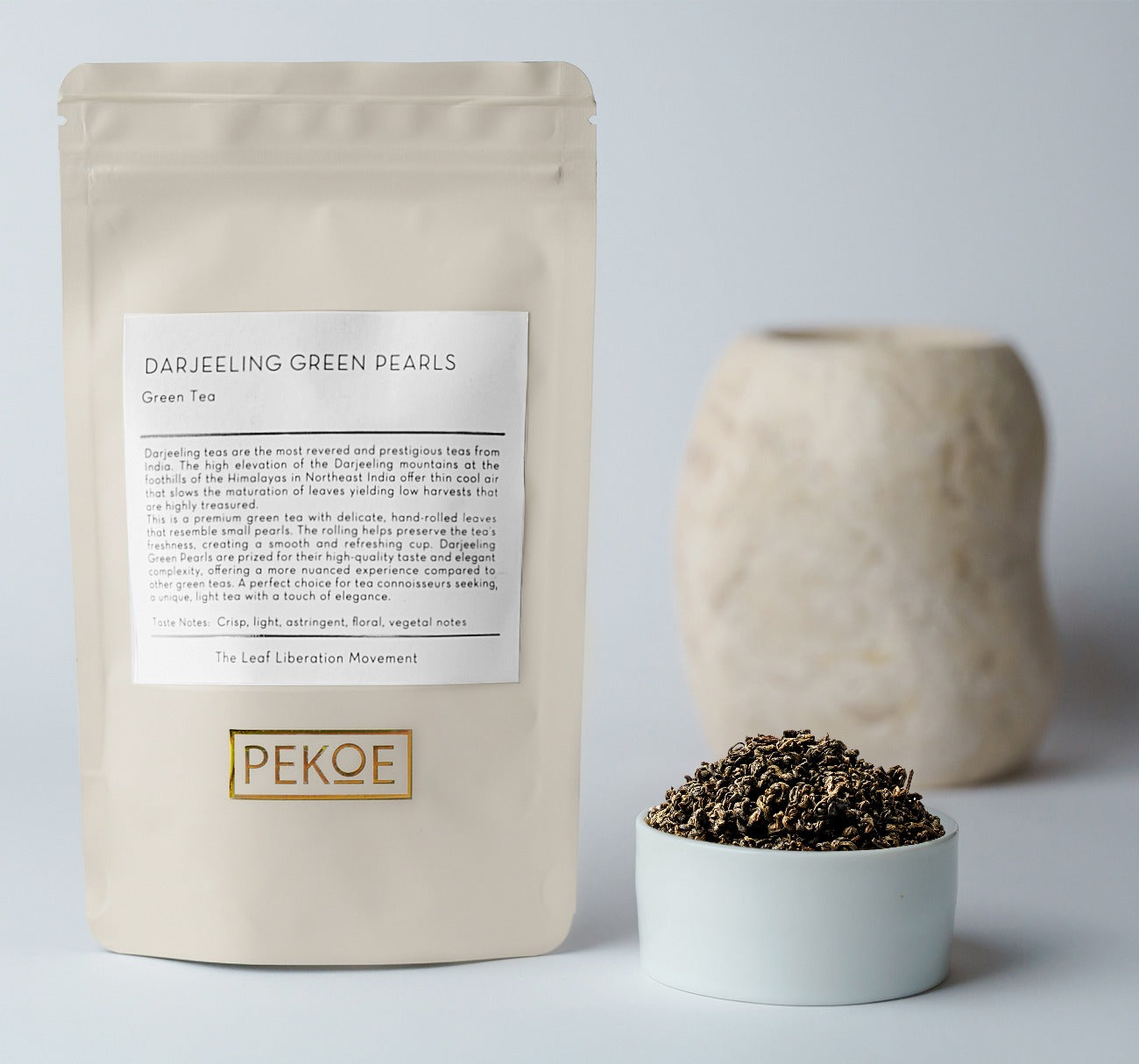
What Green Tea Powder Really Is
Green tea powder is, in most cases, exactly what it sounds like — regular green tea leaves that have been dried and ground into a powder. These are the same leaves used for standard loose-leaf green tea; the only difference is that instead of steeping whole leaves and discarding them, the leaves are pulverized so the whole thing can be mixed directly into water.
Because it comes from ordinary green tea leaves grown in full sunlight, green tea powder tends to have a lighter, more grassy and sometimes slightly bitter flavor. It's often cheaper to produce, since it skips several of the specialized steps involved in matcha cultivation.
What Makes Matcha Different
Matcha is often mistaken for "just fancy green tea powder," but the process behind it is far more specific — and that's exactly what sets it apart.
Matcha comes from tea plants that are shaded for three to four weeks before harvest. This shading period increases chlorophyll and amino acid content, giving matcha its vibrant green hue and naturally sweet, umami-rich flavor. Only the youngest, most tender leaves (called tencha) are hand-selected, with stems and veins carefully removed before grinding. The grinding itself is traditionally done with granite stone mills, a slow process that keeps the powder ultra-fine and protects its delicate nutrients from heat damage.
This is where the real difference lies: matcha isn't simply green tea that's been ground up — it's a specific cultivar and process designed from the start to produce a shade-grown, stone-milled powder.
Comparing Taste, Texture, and Nutrition
Because of the shading and careful harvesting, matcha typically has a smoother, creamier taste with a natural sweetness, while green tea powder leans more bitter and grassy since it's made from sun-grown leaves.
Texture is another giveaway. Genuine matcha is exceptionally fine, almost silky, since stone-grinding takes hours to produce just a small amount of powder. Green tea powder is often coarser and can feel gritty by comparison, as it's usually machine-milled at a much faster pace.
Nutritionally, matcha generally comes out ahead. Since the whole leaf is consumed and the shading process boosts nutrient concentration, matcha tends to have higher levels of L-theanine, EGCG, and antioxidants than standard green tea powder. It also delivers a steadier form of caffeine, thanks to that pairing with L-theanine, which helps avoid the sharp energy spikes and crashes associated with regular caffeine sources.
How to Tell Them Apart Before You Buy
A few quick checks can help you spot the difference:
- Color – Genuine matcha has a bright, vivid green shade. Green tea powder tends to look duller, sometimes with a yellowish or olive tint.
- Origin and grading – Authentic matcha is almost always tied to specific Japanese regions like Kagoshima or Shizuoka, and is labeled by grade (ceremonial, premium, or culinary). Green tea powder rarely carries this level of detail.
- Price – Because of the labor-intensive shading and stone-grinding process, real matcha is priced noticeably higher than generic green tea powder.
- Texture – Rubbing a small pinch between your fingers should feel fine and almost powdery-soft if it's genuine matcha.
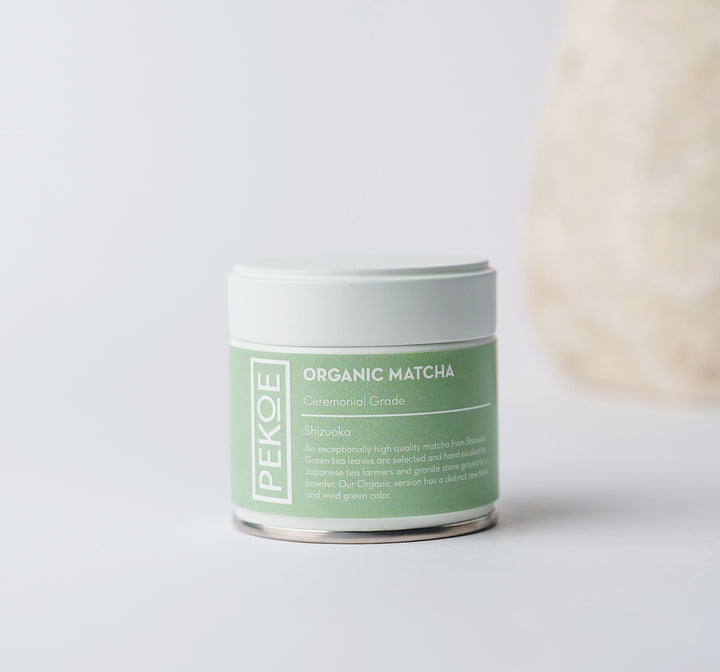
Pekoe's matcha selection, sourced from Kagoshima and Shizuoka, is graded and labeled clearly across ceremonial, organic, and beverage-grade options, making it easier to know exactly what you're getting rather than guessing based on a green label.
Which One Should You Choose?
If you're after a light, budget-friendly way to add some green tea benefits to smoothies or homemade drinks, green tea powder can do the job. But if you're looking for the full experience — richer flavor, higher nutrient density, and that calm, focused energy matcha is known for — it's worth spending a little more for the real thing.
Not all green powders are created equal, and knowing the difference means you're less likely to end up with something that only looks the part. For anyone serious about their matcha, starting with a trusted, well-graded source like Pekoe makes it far easier to tell the two apart — and to actually taste why the distinction matters.
For more information
TikTok: mypekoe
Instagram: mypekoe
Facebook: mypekoe
 French
 English
 Arabic
 Spanish
 Portuguese
 Deutsch
 Turkish
 Dutch
Dutch
 Italiano
 Russian
 Romaian
 Portuguese (Brazil)
 Greek
Greek
