


From Electricity Bills to Profit: ROI Guide for Commercial Solar Installation
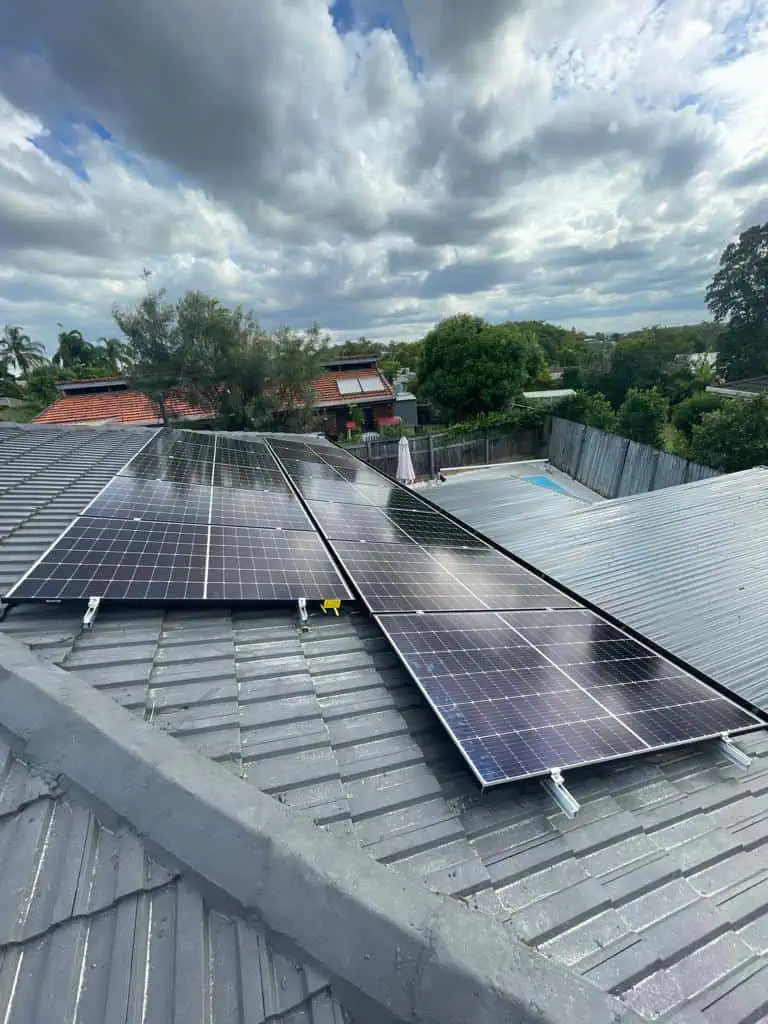
In today’s competitive business landscape, controlling operational expenses is no longer optional — it’s essential. One of the largest recurring costs for commercial properties is electricity. With rising power tariffs and increasing sustainability expectations, many businesses are shifting toward solar energy not just as an eco-friendly choice, but as a strategic financial investment.
Commercial solar installation is no longer about “going green.” It’s about turning electricity expenses into long-term profit. This guide breaks down how businesses can calculate ROI (Return on Investment), reduce financial risk, and maximize returns from commercial solar systems.
Why Commercial Solar Makes Financial Sense
Electricity costs continue to rise year after year. Unlike traditional energy sources, solar provides:
- Predictable energy costs for 20–25+ years
- Reduced dependency on grid power
- Protection against tariff hikes
- Lower operating expenses
- Increased property value
When installed correctly, a commercial solar plant transforms from a utility expense into a revenue-generating asset.
Understanding ROI in Commercial Solar
ROI (Return on Investment) measures how much profit you generate compared to your initial investment.
Basic ROI Formula:
ROI (%) = (Total Savings – Total Investment) ÷ Total Investment × 100
But commercial solar ROI involves more than just installation cost and electricity savings. Let’s break it down.
Step 1: Calculate Total Investment Cost
The initial cost of a commercial solar installation typically includes:
- Solar panels
- Inverters
- Mounting structures
- Wiring and protection systems
- Installation and labor
- Design and engineering
- Approvals and net-metering setup
Though upfront costs may seem high, prices have significantly dropped over the last decade due to technological improvements and government incentives.
Step 2: Estimate Annual Energy Savings
To calculate savings:
- Determine your current annual electricity consumption (kWh).
- Identify your average cost per unit.
- Estimate how much solar will offset your grid consumption.
For example:
- Annual consumption: 1,50,000 kWh
- Cost per unit: ₹9
- Annual electricity expense: ₹13,50,000
If solar offsets 80% of usage:
Savings ≈ ₹10,80,000 per year
That’s a substantial reduction in operating cost.
Step 3: Consider Government Incentives & Tax Benefits
Many regions offer:
- Accelerated depreciation benefits
- Capital subsidies
- Net-metering policies
- Renewable energy certificates
These incentives significantly improve ROI by reducing effective project cost and improving cash flow in early years.
Step 4: Calculate Payback Period
The payback period tells you how long it takes to recover your investment.
Example:
- Total investment: ₹50,00,000
- Annual savings: ₹10,80,000
Payback period ≈ 4.6 years
Since commercial solar systems typically last 25 years or more, businesses enjoy nearly 20 years of low-cost electricity after break-even.
Step 5: Long-Term Profit Projection
After the payback period:
- Electricity is almost free (except minimal maintenance)
- Savings convert into direct profit
- Energy cost becomes predictable
Over 20 years, the same system could generate savings exceeding ₹2–3 crores depending on tariff escalation.
That’s not just cost reduction — that’s capital growth.
Additional Financial Advantages
1. Hedge Against Rising Tariffs
Electricity tariffs tend to rise 3–8% annually. Solar locks your cost at today’s rate.
2. Improved Cash Flow
Reduced monthly electricity bills improve liquidity.
3. Increased Property Value
Commercial properties with solar installations attract higher valuations.
4. ESG & Brand Advantage
Clients and investors increasingly prefer sustainable businesses.
Common ROI Mistakes to Avoid
- Ignoring system performance ratio
- Underestimating maintenance needs
- Choosing lowest-cost panels without efficiency evaluation
- Not factoring in tariff escalation
- Improper shadow analysis before installation
A poorly designed system can reduce ROI significantly. Professional engineering and proper feasibility study are critical.
Financing Options for Commercial Solar
If upfront investment is a concern, businesses can explore:
- Solar loans
- OPEX models
- Power Purchase Agreements (PPA)
- Lease models
These options allow companies to adopt solar with minimal capital expenditure while still benefiting from reduced electricity costs.
Key Factors That Influence ROI
- Location and solar irradiance
- Roof area and orientation
- Load pattern (daytime usage maximizes ROI)
- System efficiency
- Local electricity tariffs
- Government policies
Businesses operating primarily during daylight hours benefit the most from commercial solar systems.
Maintenance & Performance Monitoring
Solar systems require minimal maintenance, but regular:
- Panel cleaning
- Inverter inspection
- Performance monitoring
ensure optimal output and protect ROI. A well-maintained system operates efficiently for decades.
Real Business Impact: From Expense to Asset
Before solar:
Electricity = Recurring expense
After solar:
Electricity = Controlled asset
Instead of paying increasing bills to the utility provider, businesses invest once and generate energy internally. Over time, what was once a liability becomes a financial advantage.
Final Thoughts
Commercial solar installation is not just an environmental decision — it’s a smart financial strategy. With proper planning, accurate ROI calculation, and professional execution, businesses can:
- Reduce operational costs
- Improve profitability
- Protect against energy inflation
- Strengthen sustainability credentials
In a world where every rupee counts, commercial solar transforms electricity bills into long-term profit.
How an Industrial Solar System Helps Businesses Build Sustainability with High ROI
Why Cutting-Edge Solar Technology Makes Hassle-Free Installation and Long-Term Savings Possible

 English
 Arabic
 French
 Spanish
 Portuguese
 Deutsch
 Turkish
 Dutch
Dutch
 Italiano
 Russian
 Romaian
 Greek
Greek
