


When Should You Consider Removing a Cyst for Skin Lumps?
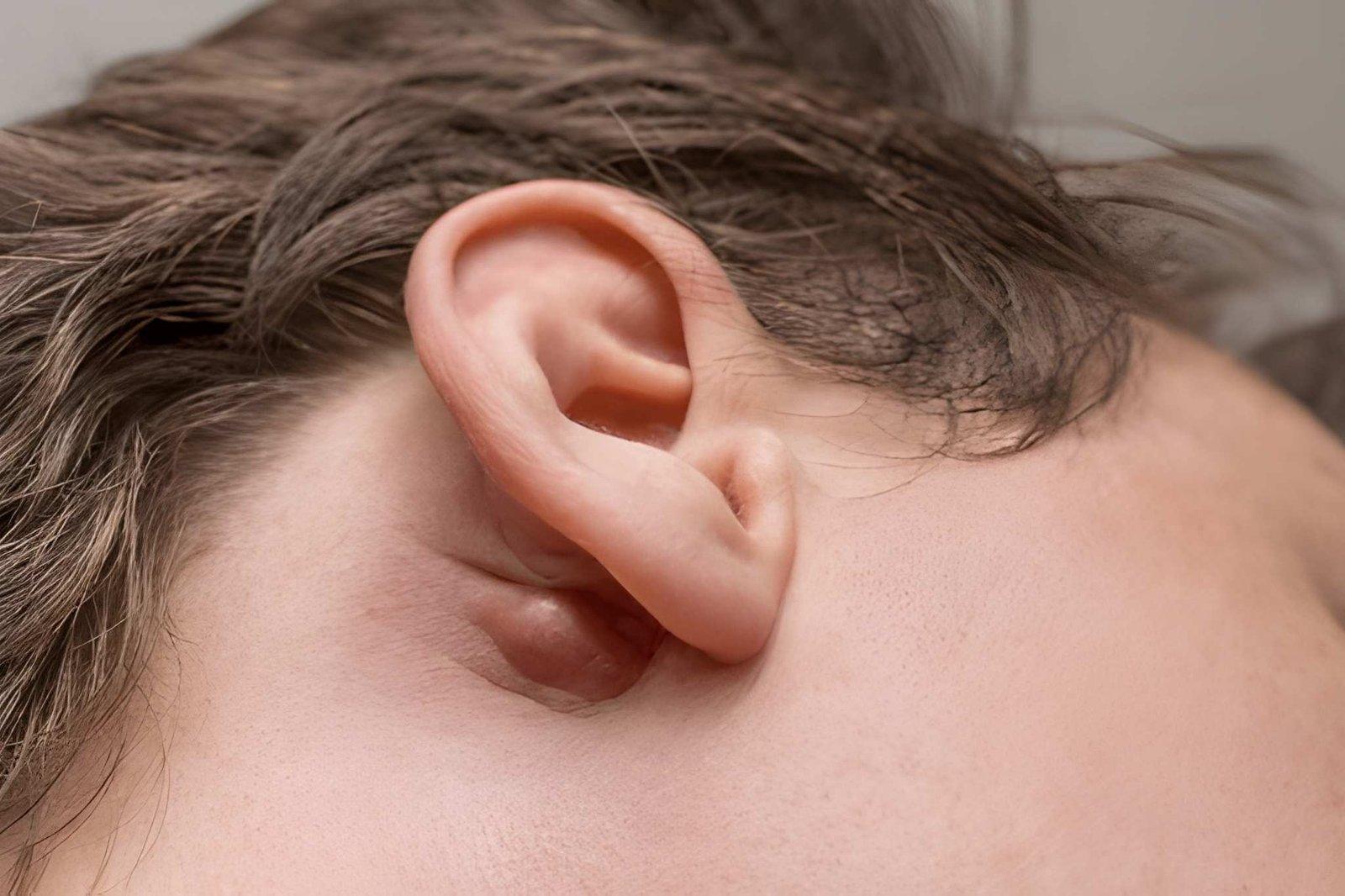
Skin lumps are something many people experience at some point in their lives. While most are harmless, they can still cause worry, especially if they change in size, appearance, or start to feel uncomfortable. One of the most common causes of these lumps is a cyst. Understanding when a cyst is harmless and when it may need medical attention can help you make informed decisions about your skin health.
What Is a Skin Cyst?
A skin cyst is a small, closed sac that forms beneath the surface of the skin. It is usually filled with fluid, pus, or a semi-solid substance. Cysts often feel like smooth, round bumps and can move slightly under the skin when touched.
They can develop for several reasons, including blocked oil glands, infections, or trauma to the skin. Some of the most common types include sebaceous cysts and epidermoid cysts. These are typically benign and slow-growing, which is why many people choose to leave them untreated at least initially.
When Is It Safe to Leave a Cyst Alone?
In many cases, cysts do not pose any serious health risk. If the lump is small, painless, and remains stable over time, it is usually safe to monitor it rather than rush into treatment.
People often live with cysts for years without experiencing any problems. However, even if a cyst appears harmless, it is still wise to have it checked by a professional at least once. A proper diagnosis ensures that what you are dealing with is indeed a cyst and not another type of skin condition.
Consulting a specialist at a Harley Street dermatology clinic in London can provide reassurance and clarity, especially if you are uncertain about the nature of the lump.
“Peace of mind often begins with a professional opinion.”
Warning Signs That Should Not Be Ignored
Although most cysts are benign, certain signs indicate it may be time to seek medical attention. Pain is one of the first indicators that something is not right. A cyst that becomes tender or sore may be inflamed or infected.
Redness, swelling, or warmth around the lump can also suggest infection. In some cases, the cyst may fill with pus and develop into an abscess, which requires prompt treatment.
Rapid growth is another important warning sign. A cyst that suddenly increases in size should always be evaluated. Similarly, if the lump becomes hard, irregular in shape, or fixed in place, it is important to rule out other conditions.
Discharge, bleeding, or changes in color are also reasons to consult a medical professional. These symptoms indicate that the cyst is no longer stable and may lead to further complications if left untreated.
When Should You Consider Cyst Removal?
There are several situations where removing a cyst becomes the best option. If the cyst causes pain or discomfort, it can interfere with daily activities and should be addressed. Repeated infections are another common reason for removal, as they can become increasingly difficult to manage over time.
Cosmetic concerns also play a role. Cysts that appear on visible areas such as the face, neck, or scalp can affect confidence and self-image. Many people choose removal simply to feel more comfortable in their own skin.
Medical professionals may also recommend removal if there is any uncertainty about the diagnosis. Removing the cyst allows for closer examination and ensures that there are no underlying issues.
In many cases, cyst removal surgery in London is a simple and effective procedure that provides long-term relief and prevents recurrence.
“Addressing a small issue early can prevent bigger concerns later.”
What Happens During Cyst Removal?
Cyst removal is typically a straightforward procedure performed under local anesthesia. This means the area is numbed, and you remain awake throughout the process.
A small incision is made in the skin, allowing the doctor to carefully remove the cyst along with its sac. Removing the entire sac is important because it helps prevent the cyst from returning.
The procedure usually takes a short amount of time, and most patients can go home the same day. Depending on the size and location of the cyst, stitches may be required.
Recovery is generally quick. Mild swelling or discomfort may occur, but this usually settles within a few days. Following aftercare instructions is essential to ensure proper healing and minimize the risk of infection.
Can You Treat a Cyst at Home?
It can be tempting to try to squeeze or drain a cyst at home, especially if it becomes noticeable or uncomfortable. However, this is not recommended. Attempting to remove a cyst yourself can lead to infection, scarring, and incomplete removal.
Even if the cyst appears to shrink after being drained, the sac often remains under the skin. This means the cyst is likely to return.
Professional treatment is always the safer and more effective option, particularly if the cyst is causing symptoms or concerns.
“DIY treatments may offer quick fixes, but professional care provides lasting solutions.”
FAQs
Is cyst removal painful?
Cyst removal is usually not painful because it is performed under local anesthesia. You may feel slight pressure during the procedure, but discomfort is minimal.
How long does it take to recover?
Most people recover within a few days to a week. The exact healing time depends on the size and location of the cyst, as well as how well aftercare instructions are followed.
Will the cyst come back after removal?
If the entire cyst sac is removed, the chances of it coming back are very low. However, incomplete removal can lead to recurrence.
Do all cysts need to be removed?
No, not all cysts require removal. If the cyst is small, painless, and not causing any issues, it can often be left alone and monitored.
When should I see a doctor about a cyst?
You should see a doctor if the cyst becomes painful, grows quickly, changes in appearance, or shows signs of infection such as redness, swelling, or discharge.
Final Thoughts
Skin cysts are common and often harmless, but that does not mean they should be ignored. Paying attention to changes in your skin is an important part of maintaining your overall health. While many cysts can be safely monitored, others may require medical attention to prevent discomfort or complications.
Seeking professional advice ensures that you receive an accurate diagnosis and appropriate treatment. Whether the concern is medical or cosmetic, early evaluation can make a significant difference in outcomes.

 English
 Arabic
 French
 Spanish
 Portuguese
 Deutsch
 Turkish
 Dutch
Dutch
 Italiano
 Russian
 Portuguese (Brazil)
 Greek
Greek
