


The Dangerous Fiction of Shared Kitchen Cross-Contamination
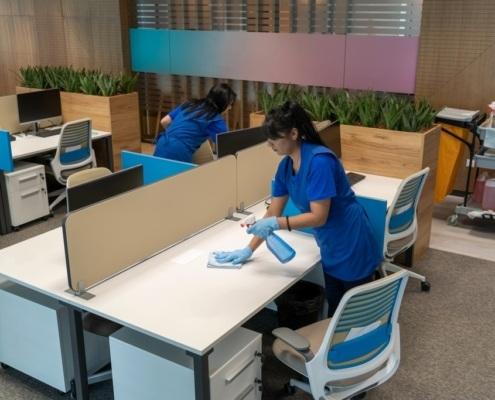
The hospitality sector loves to congratulate itself on expanding menus to accommodate highly specific dietary requirements. Every modern dining room proudly displays a menu filled with allergen-free, coeliac-friendly, and strictly vegan options. However, the reality behind the swinging kitchen doors often tells a completely different and deeply concerning story. Many operators operate under the delusion that wiping a stainless steel prep bench with a sanitiser spray and a blue cloth magically resets the surface to a biologically neutral state. This belief is not just technically incorrect; it is a dangerous fiction that places trusting diners at significant medical risk. When a kitchen attempts to produce high-volume allergen-free food in the exact same physical space where dairy, shellfish, and gluten are processed, standard daily maintenance routines are entirely insufficient to guarantee genuine safety.
The physical mechanics of a busy service make absolute separation almost impossible without aggressive intervention. Consider the behaviour of airborne flour in a bakery or pizzeria setting. Microscopic particles of gluten remain suspended in the air for hours after dough has been kneaded, eventually settling like an invisible film across every exposed surface, including the designated gluten-free preparation stations. Similarly, the micro-splatter from searing meat on a busy grill creates an aerosolised mist of animal fats and proteins that coats nearby walls, extraction hoods, and shelving units. A chef switching chopping boards does absolutely nothing to protect a vegan dish from this environmental accumulation. The entire room becomes a shared biological space, and ignoring this reality compromises the integrity of the entire menu.
Relying on exhausted kitchen brigades to perform medical-grade decontamination at one o'clock in the morning is a fundamental failure of management. After a bruising fourteen-hour shift, the primary motivation of any line cook is to scrub the visible grime, sweep the floors, and go home. They do not possess the energy, the specific training, or the industrial equipment required to extract microscopic protein chains from the porous grout lines of the quarry tile floor. Pushing dirty, contaminated water into the floor drains with a squeegee simply relocates the allergens; it does not eradicate them. Achieving actual biological safety requires scheduling a dedicated restaurant cleaning NYC team that operates independently of the cooking staff. These specialists arrive with the singular focus of applying scientific decontamination procedures that break down complex proteins at a molecular level.
The extraction and ventilation systems represent the most significant hidden liability in any shared kitchen. During service, the heat from the cooking line carries vaporised oils, animal fats, and airborne allergens directly upward into the metal baffles of the canopy. As the system cools overnight, these fats congeal and frequently drip back down onto the cooking surfaces below. If an operator is promoting a strict vegan offering, the very idea that their plant-based ingredients might be basted in residual, vaporised animal fat from a poorly maintained hood should cause immediate alarm. Professional sanitation teams physically dismantle these extraction units, soaking the components in heavy-duty degreasers that entirely strip the accumulated residue, ensuring the breathing apparatus of the kitchen is completely reset.
The psychological impact of a severe allergic reaction on a dining room floor is catastrophic, and the subsequent legal and reputational damage can permanently close a business. Word spreads instantly across digital review platforms, and communities with specific dietary needs are notoriously tight-knit. Earning their trust takes years of flawless service, but destroying that trust takes only a single microscopic error in sanitation. When a venue claims to offer safe dining, they are entering into an unwritten medical contract with the patron. Fulfilling that contract means accepting that standard wiping and sweeping are not enough to protect vulnerable individuals from hidden contaminants.
True culinary integrity requires treating hygiene with the exact same obsession as recipe development or ingredient sourcing. If you are going to charge a premium for specialised dietary menus, you must invest the necessary capital into the background processes that make those menus genuinely safe. Bringing in external sanitation experts is the only honest way to guarantee that the promises printed on the menu are actually being kept in the kitchen. Stop pretending that a quick wipe-down prevents cross-contamination, and start treating your facility maintenance as the ultimate foundation of your professional reputation.
Conclusion
Guaranteeing the safety of allergen-free and vegan menus requires far more than basic surface wiping. It demands aggressive, scientific decontamination by dedicated professionals to eliminate the hidden, airborne, and embedded risks of cross-contamination in shared culinary spaces.
Call to Action
Protect your diners and your reputation by implementing an uncompromising, medical-grade sanitation schedule for your commercial kitchen.

 English
 Arabic
 French
 Spanish
 Portuguese
 Deutsch
 Turkish
 Dutch
Dutch
 Italiano
 Russian
 Romaian
 Greek
Greek
