


What Is a Furnace? A Complete Home Heating Guide
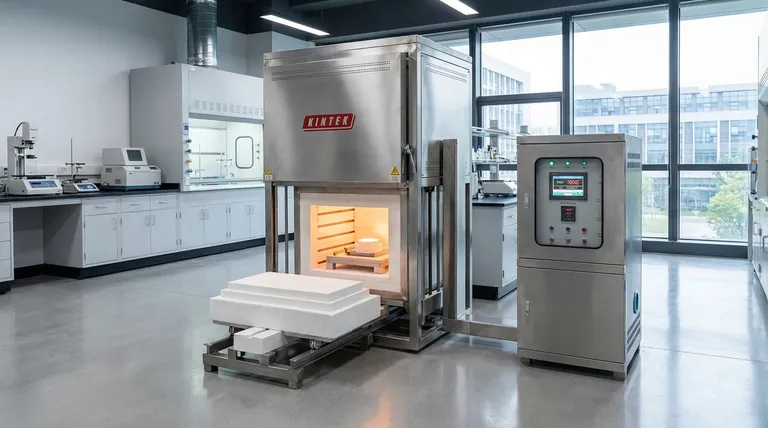
When winter temperatures drop, one of the most important systems in your home becomes your heating equipment. Many homeowners hear the word “furnace” often, but not everyone fully understands what it does, how it works, or when it may need repair or replacement. If you have ever wondered what is a furnace, this guide explains everything in simple terms.
Whether you are a homeowner, renter, or someone planning a new HVAC installation, understanding your furnace can help you stay comfortable, improve energy efficiency, and avoid expensive heating problems.
What Is a Furnace?
A furnace is a heating system designed to warm indoor spaces by generating and distributing heat throughout a home or building. It is one of the most common types of residential heating systems in North America.
The main job of a furnace is simple:
-
Produce heat
-
Move warm air through ductwork
-
Maintain comfortable indoor temperatures
Most furnaces are connected to a thermostat that controls when the system turns on and off based on your desired temperature settings.
How Does a Furnace Work?
Understanding how a furnace works can make heating maintenance much easier. While different models vary slightly, most systems follow the same basic process.
Step 1: Thermostat Detects Temperature
When indoor temperatures fall below the thermostat setting, the furnace receives a signal to start heating.
Step 2: Heat Is Generated
Depending on the type of furnace, heat is created using:
-
Natural gas
-
Electricity
-
Propane
-
Oil
Gas furnaces are among the most popular because they provide strong heating performance and energy efficiency.
Step 3: Air Is Heated
A blower fan pulls cool indoor air into the system. The air passes through a heat exchanger where it becomes warm.
Step 4: Warm Air Circulates
The blower pushes heated air through HVAC ductwork and vents into different rooms.
Step 5: System Shuts Off
Once the desired temperature is reached, the furnace turns off automatically until more heat is needed.
Types of Furnaces
Not all furnaces are the same. Choosing the right heating system depends on climate, energy costs, and home size.
Gas Furnace
Gas furnaces use natural gas to create heat. They are known for:
-
Fast heating
-
Lower operating costs
-
Strong performance in cold climates
This is one of the most common furnace systems found in homes today.
Electric Furnace
Electric furnaces use heating elements instead of combustion. They are usually:
-
Easier to install
-
Safer without gas combustion
-
Quieter during operation
However, electricity costs can make them more expensive to run in some areas.
Oil Furnace
Oil furnaces are less common today but still used in some rural locations without natural gas access.
Propane Furnace
Propane systems work similarly to gas furnaces and are often used in areas without natural gas lines.
Common Signs Your Furnace Needs Attention
Many homeowners ignore early warning signs until heating problems become serious. Recognizing issues early can prevent expensive furnace repair costs.
Strange Noises
Banging, rattling, or squealing sounds may indicate:
-
Loose components
-
Blower motor problems
-
Airflow restrictions
Uneven Heating
If some rooms feel cold while others are warm, your heating system may have:
-
Dirty filters
-
Ductwork leaks
-
Thermostat issues
Higher Energy Bills
A sudden increase in heating costs often means your furnace is working harder than normal.
Frequent Cycling
A furnace that constantly turns on and off may have airflow or thermostat problems.
Weak Airflow
Poor airflow could point to clogged filters, failing blower motors, or blocked vents.
Importance of Furnace Maintenance
Routine furnace maintenance helps your system run efficiently and safely. Many heating problems happen simply because homeowners skip regular inspections.
Benefits of Regular Maintenance
-
Improved energy efficiency
-
Longer system lifespan
-
Better indoor air quality
-
Lower repair costs
-
Safer operation
Professional HVAC maintenance can also help detect carbon monoxide risks in gas heating systems.
How Often Should a Furnace Be Serviced?
Most HVAC professionals recommend annual furnace maintenance before winter begins.
A typical furnace tune-up may include:
-
Cleaning burners
-
Inspecting electrical connections
-
Replacing air filters
-
Checking airflow
-
Testing thermostat performance
-
Inspecting the heat exchanger
Companies like Jco Heating A/C Electrical often recommend preventative maintenance because it helps reduce emergency heating breakdowns during colder months.
Furnace vs Heat Pump
Homeowners often compare furnaces and heat pumps when choosing heating systems.
Furnace
-
Generates heat directly
-
Best for colder climates
-
Strong heating performance
Heat Pump
-
Transfers heat instead of generating it
-
More energy efficient in mild climates
-
Provides both heating and cooling
The best choice depends on your location, budget, and energy goals.
How Long Does a Furnace Last?
Most furnaces last between 15 and 20 years with proper care.
Several factors affect furnace lifespan:
-
Maintenance frequency
-
Installation quality
-
Usage levels
-
Air filter replacement habits
If your system is older and constantly needing repairs, a furnace replacement may be more cost-effective than ongoing repairs.
Tips to Improve Furnace Efficiency
Improving furnace performance can lower heating costs and keep your home more comfortable.
Replace Air Filters Regularly
Dirty filters restrict airflow and force the system to work harder.
Seal Air Leaks
Gaps around windows and doors allow heat to escape.
Use a Programmable Thermostat
Smart thermostat settings can reduce unnecessary heating usage.
Keep Vents Open
Blocked vents reduce airflow and strain the HVAC system.
Schedule Annual Inspections
Professional inspections help keep your heating equipment running safely and efficiently.
Safety Considerations for Furnace Owners
Heating systems should always be operated safely.
Install Carbon Monoxide Detectors
Gas furnaces can create carbon monoxide if problems occur with combustion or ventilation.
Keep Flammable Items Away
Never store combustible materials near your furnace.
Watch for Warning Signs
Call an HVAC technician immediately if you notice:
-
Burning smells
-
Gas odors
-
Soot buildup
-
Yellow pilot flames
When Should You Replace a Furnace?
Sometimes repairs are no longer worth the cost.
You may need furnace replacement if:
-
Your system is over 15 years old
-
Repairs are becoming frequent
-
Energy bills continue rising
-
Heating performance is inconsistent
A newer energy-efficient furnace can improve comfort while lowering monthly utility costs.
FAQs About Furnaces
What is a furnace used for?
A furnace heats indoor spaces by warming air and distributing it through duct systems.
Is a furnace the same as HVAC?
No. HVAC stands for heating, ventilation, and air conditioning. A furnace is one component of an HVAC system.
How do I know if my furnace is bad?
Signs include strange noises, uneven heating, weak airflow, rising utility bills, and constant cycling.
How often should furnace filters be changed?
Most air filters should be replaced every 1–3 months depending on usage and indoor air quality conditions.
Are gas furnaces safe?
Yes, when properly installed and maintained. Regular inspections help ensure safe operation.
Final Thoughts
Understanding what is a furnace can help homeowners make smarter decisions about heating maintenance, repairs, and upgrades. A well-maintained furnace keeps your home warm, improves energy efficiency, and helps prevent costly breakdowns during cold weather.
If your heating system is showing signs of trouble or you want professional guidance about furnace maintenance, inspections, or replacement options, trusted HVAC experts like Jco Heating A/C Electrical can help you choose the best solution for your home comfort needs.

 English
 Arabic
 French
 Spanish
 Portuguese
 Deutsch
 Dutch
Dutch
 Italiano
 Russian
 Romaian
 Portuguese (Brazil)
 Greek
Greek
