


Digital Signage for Restaurants: Transforming Guest Experience with Restaurant Digital Signage
Introduction
The dining setting has become more digital. Restaurant digital signage replaces traditional menu boards, paper posters, and chalkboards with colorful, dynamic screens that attract attention and simplify daily tasks. Whether it is a fast-food drive-thru or a more polished casual restaurant, digital signage is now a key tool for improving customer experience, boosting sales, and reducing operational friction.
What is digital signage for restaurants
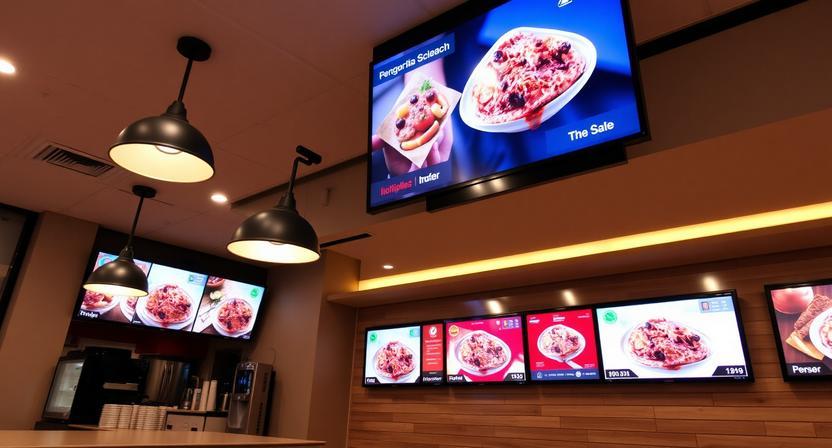
Digital signage in restaurants is the use of electronic screens such as LED, LCD, or projection displays to show menu items, promotions, nutritional information, wait times, and sometimes entertainment content. These systems can be controlled remotely with cloud-based software, so restaurant owners can update prices, daily specials, or remove sold-out items instantly across one or multiple locations.
Restaurant digital signage is flexible and real time, compared to costly reprints whenever static boards need changes.
The most important uses of restaurant digital signage
The most common use is menu boards. Counter-service restaurants use large displays behind the checkout counter to show food images, combo meals, and prices. Drive-thru lanes benefit from outdoor screens that are readable and weatherproof, which improves order accuracy and reduces perceived wait time.
Beyond menus, restaurant digital signage can include:
• Digital menu boards: Dayparting (breakfast, lunch, dinner) and dynamic item displays
• Waiting line screens: Keep customers engaged with promos or kitchen-camera content
• Wall promotional displays: Feature limited-time offers or loyalty programs
• Self-service kiosk companion screens: Support choices and add-ons
Digital signage operational advantages to restaurants
Labor efficiency improves. Staff do not spend time manually replacing paper inserts or rewriting boards. A manager can update pricing across ten screens from a tablet in under two minutes.
Order accuracy also improves when customers can see clear, high-resolution food images and readable prices. In drive-thru settings, outdoor-rated displays can reduce misheard orders and returns.
Upselling becomes more consistent. Combo suggestions, “customers also bought,” and limited-time offers can be displayed automatically. Many operators report noticeable lifts after adopting digital menus.
Customer experience enhancements
Customers expect visual appeal. Digital signage for restaurants looks more vibrant and professional than worn paper boards. High-definition food images stimulate appetite and build anticipation.
In fast-food settings, digital boards can reduce perceived wait time during rush periods. Gentle motion, rotating offers, and short promo loops keep customers engaged while they wait.
Another benefit is nutritional transparency. Restaurants can show calories, allergens, or ingredient sources without overcrowding the main menu. Customers with dietary needs can decide faster, and staff get fewer repetitive questions.
Software features that matter
Restaurant digital signage depends on capable software. Look for:
• Dayparting: Automatically switch breakfast to lunch, and lunch to dinner, by time
• POS integration: Auto-hide out-of-stock items and flag low-inventory items as limited-time
• Template libraries: Professional layouts without needing a designer
• Remote publishing: Update screens anywhere with internet access
Hardware considerations
Restaurant environments require tough hardware. Consumer TVs can struggle with heat, grease, and humidity. Restaurant digital signage works best with commercial displays that are ventilated, bright (especially for drive-thru), and rated for long operating hours.
Placement matters. Counter-service menus should be above eye level but still easy to read. Drive-thru screens must be bright enough for sunlight—typically at least 700 nits for outdoor-facing use.
Future trends
AI is entering restaurant signage. Software can use weather data to promote hot soup on cold days or cold drinks during heatwaves. Some systems use camera analytics to suggest items based on broad patterns (for example, by time and traffic), and voice integration is also growing.
As hardware prices continue to drop, even small independent restaurants can afford professional digital signage.
Conclusion
Restaurant digital signage is no longer a luxury. With flexible software, durable hardware, and smart content placement, restaurants can increase sales, streamline operations, and keep customers satisfied. Whether it is a single burger shop or a nationwide chain, digital menus deliver clear benefits: lower printing costs, higher average checks, and faster service. The digital shift is already here, and the menu board is at the front of it.

 English
 Arabic
 French
 Spanish
 Portuguese
 Turkish
 Dutch
Dutch
 Italiano
 Russian
 Romaian
 Portuguese (Brazil)
 Greek
Greek
