


10 Must-Know Specifications Before Buying a Hammer Drill Machine
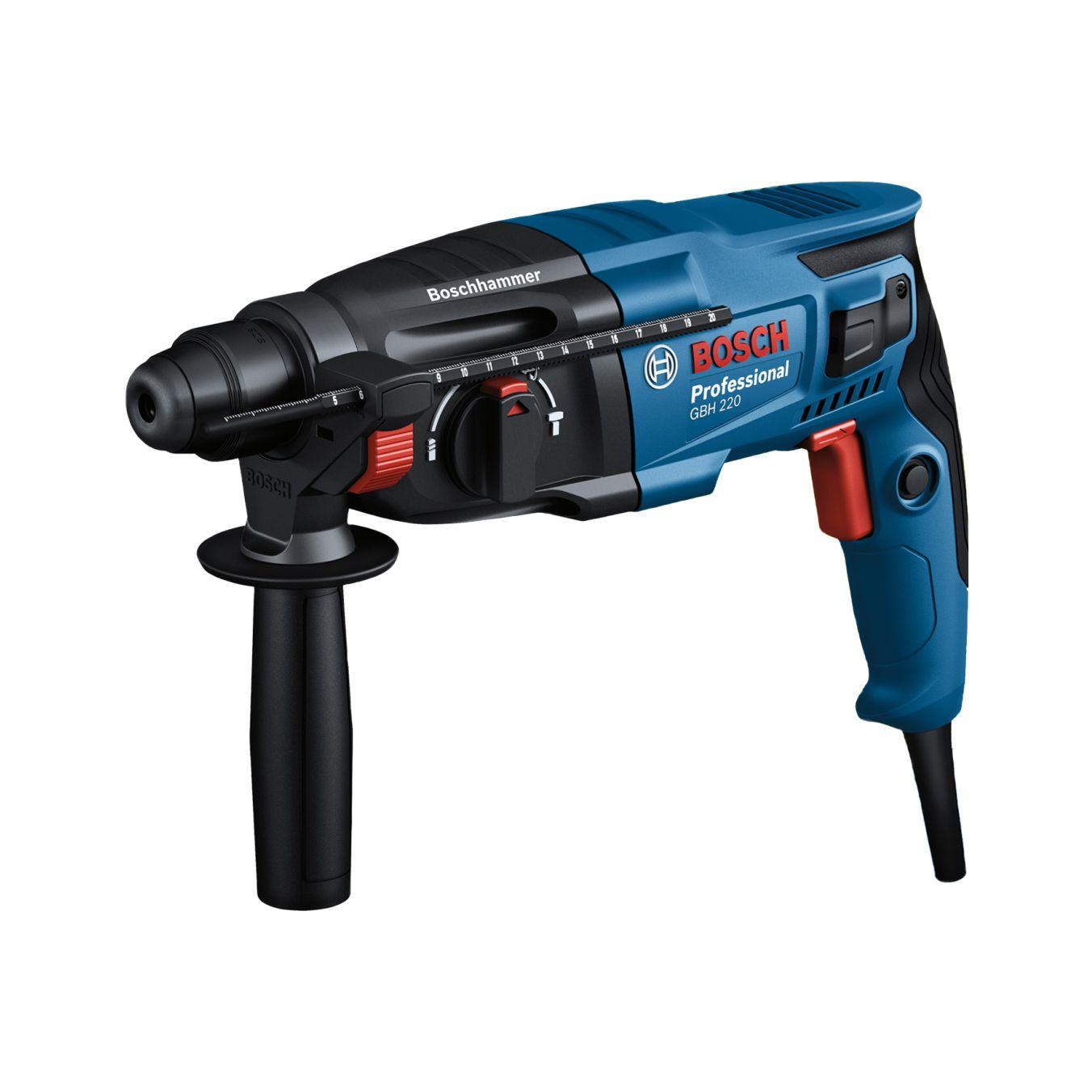
Choosing the right hammer drill machine can significantly impact construction speed, precision, and long-term performance—especially in demanding UAE conditions where drilling into concrete, masonry, and stone is routine. Whether you’re a contractor in Dubai or a DIY enthusiast in Abu Dhabi, understanding key specifications helps you avoid costly mistakes and ensures better productivity.
This guide breaks down the 10 most important technical specifications you should evaluate before purchasing a hammer drill machine.
1. Power Rating (Watts or Amps)
The first specification to check is motor power. Hammer drills typically range from 500W to 1500W.
-
Light-duty use: 500W–700W
-
Medium-duty: 700W–1000W
-
Heavy-duty (construction): 1000W–1500W+
In UAE construction environments, professionals usually prefer 800W+ for reliable concrete drilling.
2. Impact Energy (Joules)
Impact energy determines how effectively the drill breaks hard surfaces.
-
DIY tools: 1–2 Joules
-
Professional tools: 2.5–5 Joules
-
Industrial-grade: 5+ Joules
Higher joules mean faster penetration into reinforced concrete—common in UAE high-rise projects.
3. Drilling Capacity
This defines the maximum hole diameter the machine can handle:
-
Wood: up to 40 mm
-
Steel: up to 13 mm
-
Concrete: 16–40 mm (depending on model)
Always match drilling capacity with your project requirements to avoid motor strain.
4. Speed (RPM Control)
A good hammer drill machine should offer variable speed control.
-
Low RPM: precision drilling
-
High RPM: fast material removal
Modern models often include trigger-sensitive speed control for better accuracy.
5. Hammering Rate (BPM)
Blows per minute (BPM) indicates how fast the hammer mechanism strikes.
-
Standard range: 20,000–50,000 BPM
Higher BPM improves performance on tough materials like reinforced concrete walls.
6. Chuck Type and Size
Chuck determines the drill bit compatibility:
-
Keyed chuck: tighter grip, professional use
-
Keyless chuck: quick bit change, convenience
Common sizes:
-
10 mm (light tools)
-
13 mm (professional standard)
7. Ergonomics and Weight
Heavy tools increase fatigue during long jobs. Most professionals prefer:
-
Lightweight models: 2–3 kg
-
Heavy-duty models: 3.5–5 kg
Ergonomic handles and anti-vibration technology improve comfort significantly.
8. Power Source (Corded vs Cordless)
-
Corded hammer drills: consistent power, ideal for construction sites
-
Cordless (battery-powered): portability, flexible use in remote areas
Cordless models with lithium-ion batteries are increasingly popular in UAE maintenance work.
9. Safety Features
Modern hammer drill machines include essential safety functions.
-
Overload protection
-
Anti-kickback control
-
Heat resistance system
-
Safety clutch mechanism
These features reduce workplace accidents and extend tool life.
10. Brand Reliability and Warranty
Choosing a trusted brand ensures durability and spare part availability. Well-known manufacturers like Bosch Power Tools are widely used across UAE construction sites due to their consistent performance and long service life.
Industry surveys show that over 60% of professional contractors prefer established brands over low-cost alternatives because of lower failure rates and better warranty support.
Final Thoughts
A hammer drill machine is not just a tool—it’s a long-term investment in efficiency and safety. By evaluating these 10 specifications carefully, you can ensure better performance, reduced downtime, and higher precision across all drilling tasks.
Whether you're working on residential renovations or large-scale infrastructure in the UAE, the right machine can dramatically improve your results.
 Dutch
Dutch
 English
 Arabic
 French
 Spanish
 Portuguese
 Deutsch
 Turkish
 Italiano
 Russian
 Romaian
 Portuguese (Brazil)
 Greek
Greek
