


The Importance of Developmental Screenings During Early Childhood
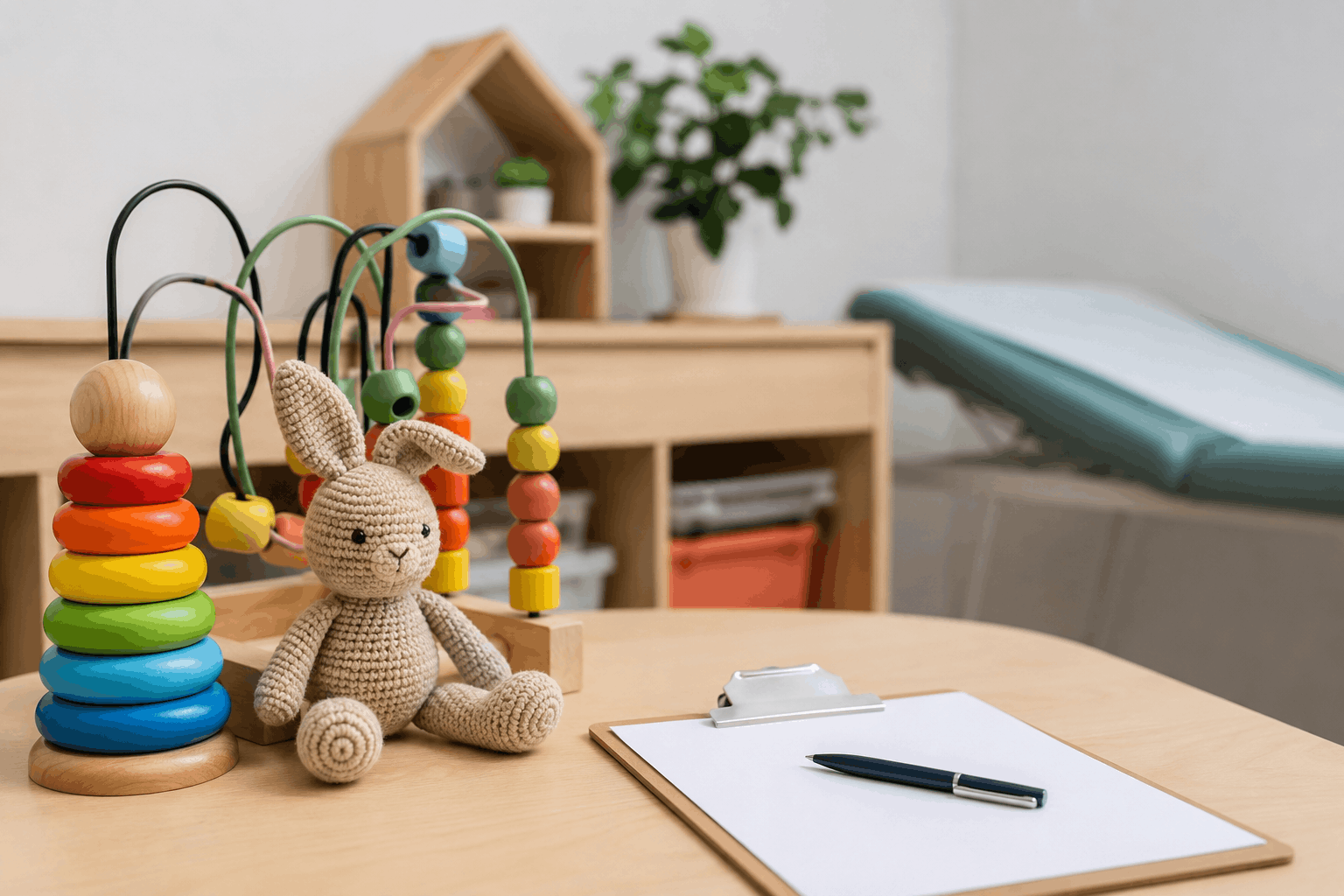
The early years of a child’s life play a major role in shaping physical, emotional, social, and cognitive growth. During this stage, children develop important skills such as speaking, walking, learning, and interacting with others. While every child grows at their own pace, regular developmental screenings help identify whether certain milestones are being reached within a healthy range.
Childhood developmental screenings are an important part of preventive pediatric care because they help detect delays or concerns early, often before they become more noticeable in daily life or school settings. Early identification gives families more time, support, and guidance to respond effectively.
What Are Developmental Screenings?
Developmental screenings are structured evaluations used to monitor how a child is growing and progressing over time. These screenings are typically completed during pediatric health checkups and focus on areas such as:
-
Speech and language development
-
Motor skills and coordination
-
Social interaction
-
Emotional development
-
Learning and problem-solving abilities
The goal is not to compare children against each other, but to understand whether a child’s development is progressing appropriately for their age.
Why Early Childhood Screenings Matter
Some developmental concerns are easy to notice, while others are more subtle and may only become clear over time. A child may appear physically healthy while still experiencing delays in communication, learning, or social interaction.
Early screenings matter because they help identify:
-
Speech or language delays
-
Behavioral concerns
-
Learning challenges
-
Motor skill difficulties
-
Social development issues
The earlier these concerns are identified, the earlier families can access support and resources that may improve long-term outcomes.
Development Happens in Stages
Every child develops differently, but there are general milestones doctors look for during early childhood. For example:
-
Infants begin responding to sounds and facial expressions
-
Toddlers start using words and exploring movement
-
Preschool-age children develop social and communication skills
Regular child development monitoring helps track whether these milestones are developing steadily over time.
In communities across California, many parents are becoming more aware of the importance of tracking development early rather than waiting for school age concerns to appear.
The Role of Pediatric Health Checkups
Pediatric health checkups are about much more than height, weight, and vaccinations. These visits also provide an opportunity to evaluate how a child is growing emotionally, socially, and cognitively.
During these appointments, healthcare providers may:
-
Ask parents questions about behavior and communication
-
Observe how the child interacts and responds
-
Review physical and emotional development
-
Discuss sleep, nutrition, and daily routines
These conversations help build a more complete understanding of the child’s overall well-being.
Why Parents Should Not Wait for Obvious Signs
One common misconception is that developmental concerns are always easy to spot. In reality, some signs may appear gradually or may initially seem like normal variations in personality or behavior.
For example, a child may:
-
Avoid eye contact consistently
-
Struggle to respond to their name
-
Have difficulty forming words
-
Show frustration during communication
While these signs do not always indicate a serious concern, discussing them early during pediatric visits can help determine whether additional support may be helpful.
Early Support Can Make a Big Difference
One of the greatest benefits of childhood developmental screenings is the ability to begin support early if needed. Children’s brains develop rapidly during the early years, making this an important time for learning and adaptation.
Early intervention may include:
-
Speech therapy
-
Occupational therapy
-
Behavioral support
-
Educational guidance for families
When support begins early, children often have a better chance of building important skills before challenges become more difficult later on.
Building Strong Communication With Families
Developmental screenings are not just about identifying concerns. They also create opportunities for parents to ask questions, share observations, and better understand their child’s growth.
In more personalized pediatric care settings, including Concierge paediatrics models, appointments may allow more time for detailed conversations about development, behavior, nutrition, and family routines.
This kind of ongoing communication helps parents feel more supported and informed throughout different stages of childhood.
Monitoring Emotional and Social Development
Developmental screenings also focus on emotional and social wellbeing. A child’s ability to interact, express emotions, and respond to others is an important part of healthy growth.
Doctors may look at:
-
How children respond to social situations
-
Emotional regulation
-
Interaction with parents or siblings
-
Ability to follow simple instructions
These observations help identify whether additional support may benefit the child socially or emotionally.
The Importance of Consistent Monitoring
Child development monitoring is most effective when done consistently over time. A single appointment may not provide the full picture, but regular screenings help identify patterns and progress.
This allows healthcare providers to:
-
Track changes gradually
-
Compare developmental progress over time
-
Adjust recommendations based on growth
In areas like Woodside, where many families prioritize preventive care and long term wellness, consistent pediatric monitoring has become an important part of supporting healthy childhood development.
Supporting the Whole Child
Developmental health is connected to many areas of a child’s life, including sleep, nutrition, physical activity, and emotional environment. That is why a broader approach to pediatric care is so important.
Children benefit most when healthcare focuses not only on illness but also on overall growth, behavior, emotional wellbeing, and family support.
The Bottom Line
Childhood developmental screenings play an important role in helping children grow, learn, and thrive. By identifying concerns early and tracking progress over time, these screenings give families the information and support they need during critical stages of development.
Regular pediatric health checkups, open communication, and consistent child development monitoring help create a stronger foundation for long-term learning, confidence, and overall well-being.

 English
 Arabic
 Spanish
 Portuguese
 Deutsch
 Turkish
 Dutch
Dutch
 Italiano
 Russian
 Romaian
 Portuguese (Brazil)
 Greek
Greek
