


How Asbestos Testing Works: Step-by-Step Guide
Asbestos was once considered a miracle material because of its strength, durability, and heat resistance. It was widely used in homes, schools, offices, factories, and commercial buildings for decades. However, it is now known that exposure to asbestos fibers can lead to serious health conditions, including lung cancer, mesothelioma, and asbestosis. Because asbestos materials often look harmless to the naked eye, professional testing is the safest and most reliable way to determine whether asbestos is present in a property.
At Noble Environmental & Consulting, we help property owners, contractors, and businesses identify asbestos risks through accurate inspections and certified laboratory testing. Understanding how asbestos testing works can help you make informed decisions before renovations, demolitions, or property purchases.
What Is Asbestos Testing?
Asbestos testing is the process of identifying materials that contain asbestos fibers. Since asbestos cannot usually be identified by sight alone, samples must be collected and analyzed in a certified laboratory using specialized testing methods.
Testing is commonly recommended when:
- Renovating or remodeling older buildings
- Purchasing an older home or commercial property
- Preparing for demolition
- Investigating damaged insulation, tiles, or ceiling materials
- Meeting environmental and workplace safety regulations
Buildings constructed before the 1980s are more likely to contain asbestos-containing materials (ACMs), although some materials continued to be used after that period.
Step 1: Initial Property Inspection
The first step in asbestos testing is a professional inspection. A trained asbestos inspector visits the property to identify materials that may contain asbestos.
Common asbestos-containing materials include:
- Pipe insulation
- Ceiling tiles
- Floor tiles and adhesives
- Roofing shingles
- Popcorn ceilings
- Cement siding
- Drywall joint compounds
- HVAC duct insulation
During the inspection, the professional evaluates the condition of the materials and determines whether sampling is necessary. Damaged or deteriorating materials may present a greater risk because they can release airborne fibers more easily.
At Noble Environmental & Consulting, inspections are conducted using industry-approved procedures designed to minimize disruption and protect occupants.
Step 2: Sample Collection
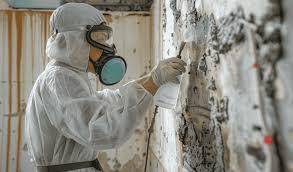
Once suspect materials are identified, small samples are carefully collected for laboratory analysis. This is one of the most critical stages of the asbestos testing process because improper handling can release hazardous fibers into the air.
Professional inspectors follow strict safety procedures, including:
- Wearing personal protective equipment (PPE)
- Using specialized tools for safe sampling
- Wetting materials to reduce airborne dust
- Sealing sample areas after collection
- Placing samples in airtight containers
Multiple samples may be collected from different areas because asbestos content can vary between materials and locations.
It is important to avoid DIY asbestos sampling. Disturbing asbestos-containing materials without proper containment methods can increase health risks for occupants and workers.
Step 3: Laboratory Analysis
After collection, the samples are sent to an accredited laboratory for analysis. Scientists use specialized techniques to determine whether asbestos fibers are present and identify the type of asbestos.
The most common laboratory testing methods include:
Polarized Light Microscopy (PLM)
PLM is one of the most widely used methods for asbestos identification in building materials. It uses specialized microscopes and polarized light to detect asbestos fibers and determine their concentration within a sample.
PLM testing is effective for many common materials such as floor tiles, insulation, and ceiling products.
Transmission Electron Microscopy (TEM)
TEM is a more advanced testing method capable of identifying extremely small asbestos fibers that may not be visible under standard microscopy.
TEM testing is often used when:
- Greater accuracy is required
- Air quality testing is being conducted
- Samples are complex or difficult to analyze
Laboratory analysis provides detailed results regarding:
- Whether asbestos is present
- The percentage of asbestos in the material
- The type of asbestos detected
Step 4: Review of Test Results
Once the laboratory completes the analysis, the results are compiled into a detailed report. The report explains which materials contain asbestos and whether they pose a potential hazard.
The findings typically include:
- Sample locations
- Material descriptions
- Laboratory results
- Asbestos concentration levels
- Recommended next steps
Not all asbestos-containing materials require immediate removal. In some cases, materials that are intact and undisturbed may be safely managed in place through monitoring and encapsulation.
A qualified environmental consultant can help determine the safest and most cost-effective course of action.
Step 5: Risk Assessment and Recommendations
After reviewing the results, the next step is evaluating the level of risk associated with the identified asbestos materials.
Factors considered include:
- Material condition
- Location within the property
- Likelihood of disturbance
- Occupancy levels
- Planned renovation or demolition activities
Depending on the situation, recommendations may include:
Monitoring
If the material is in good condition and unlikely to be disturbed, regular inspections and monitoring may be sufficient.
Encapsulation
Encapsulation involves sealing the asbestos-containing material with a protective coating that prevents fibers from becoming airborne.
Repair
Damaged materials may sometimes be repaired to reduce exposure risks.
Removal
In cases where asbestos poses a significant hazard or renovation work will disturb the material, professional asbestos abatement may be recommended.
At Noble Environmental & Consulting, we guide clients through every stage of the process, helping ensure compliance with environmental and safety regulations.
Why Professional Asbestos Testing Matters
Professional asbestos testing protects both health and legal compliance. Attempting to identify or handle asbestos without proper training can lead to dangerous exposure and costly mistakes.
Certified asbestos professionals provide:
- Accurate material identification
- Safe sampling procedures
- Regulatory compliance support
- Reliable laboratory analysis
- Expert recommendations for remediation
Whether you are a homeowner, contractor, property manager, or business owner, professional testing can help you avoid unexpected liabilities and protect everyone on the property.
When Should You Schedule Asbestos Testing?
You should consider asbestos testing if:
- Your property was built before the 1980s
- You plan to renovate or demolish a structure
- Building materials appear damaged or deteriorated
- You are purchasing an older property
- You need compliance documentation for construction or workplace safety
Testing before beginning renovation work is especially important because disturbing asbestos materials can release fibers into the air and contaminate the surrounding environment.
Final Thoughts
Asbestos testing is a critical step in protecting human health and ensuring environmental safety. The process involves careful inspection, controlled sample collection, laboratory analysis, and professional risk assessment. Because asbestos exposure can have serious long-term consequences, testing should always be handled by trained professionals.
At Noble Environmental & Consulting, we are committed to providing reliable asbestos inspection and testing services that help property owners make informed decisions with confidence. Whether you are planning renovations, managing a commercial facility, or purchasing an older property, professional asbestos testing provides peace of mind and helps create a safer environment for everyone.

 Arabic
 French
 Spanish
 Portuguese
 Deutsch
 Turkish
 Dutch
Dutch
 Italiano
 Russian
 Romaian
 Portuguese (Brazil)
 Greek
Greek
