


Plastic Card Printing Made Simple: A Practical Step-by-Step Walkthrough
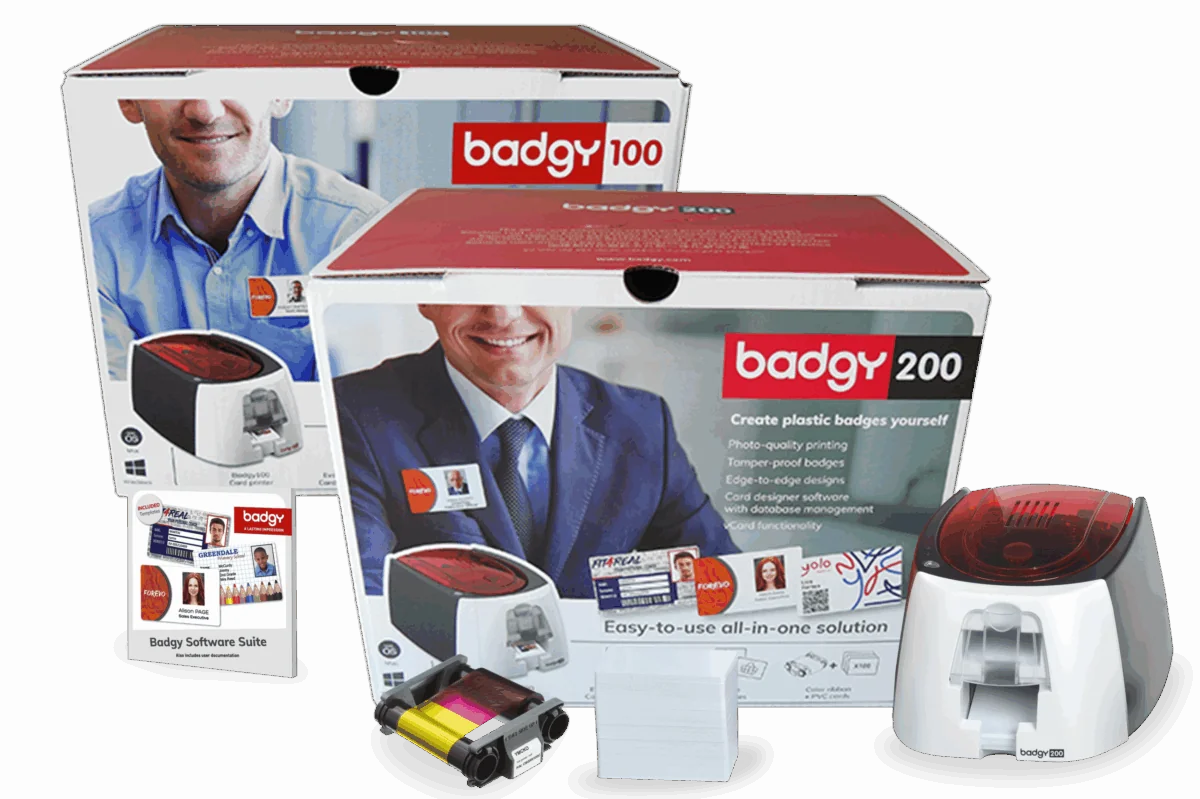
Plastic card printing no longer has to be complicated, expensive, or limited to large organisations. In 2026, small businesses, schools, gyms, clubs, offices, healthcare clinics, and event teams all need professional cards that can be printed quickly and updated easily. Whether you need staff ID cards, visitor badges, loyalty cards, student cards, or membership passes, using a Badgy printer can make the entire process much simpler.
A modern Badgy plastic card printer gives businesses the ability to design and print cards in-house instead of relying on external suppliers for every small batch. Badgy Australia describes Badgy as an easy-to-use plastic ID card printing solution that includes a plastic card printer, badge design library, personalisation software, and consumables kit, making it suitable for organisations that want a simple card-printing setup.
This guide walks through the plastic card printing process step by step, from planning your card design to printing, checking quality, and maintaining your printer.
Why Plastic Card Printing Matters for Modern Businesses
Plastic cards are still one of the most practical ways to present identity, membership, access, and brand information. A well-designed card looks more professional than a paper badge and lasts longer in everyday use.
For example, a retail store may use loyalty cards to encourage repeat visits. A school may need student IDs. A gym may issue membership cards. A company may need employee ID badges for security and workplace recognition. In each case, a Badgy badge printer helps the organisation produce cards on demand instead of waiting for an outside printer.
The biggest advantage is control. When your card details change, you can update the design immediately. When a new employee joins, you can print their ID card the same day. When a member loses a card, you can create a replacement without delays.
What Is a Badgy Plastic Card Printer?
A Badgy plastic card printer is a compact desktop printer designed to print directly onto plastic cards. It works in a way that feels familiar to office users: create your design, connect the printer, load the cards and ribbon, then send the design to print.
Badgy Australia notes that Badgy printers are compact, easy to use, and suitable for low-quantity plastic card printing, especially for companies and organisations that do not need large industrial machines.
The Badgy solution can include:
-
A plastic card printer
-
Card design software
-
Downloadable badge templates
-
Blank plastic cards
-
Colour ribbon
-
Support resources
-
Consumables such as ribbons, cards, and cleaning supplies
This makes it a practical choice for first-time card printing users.
Step 1: Decide What Type of Card You Need
Before printing anything, start by defining the purpose of your card. A card for staff identification will look different from a loyalty card or event pass.
Common Plastic Card Types
|
Card Type |
Best Use |
Common Details Included |
|
Employee ID card |
Offices, warehouses, clinics |
Name, photo, role, company logo |
|
Student card |
Schools and training centres |
Student name, ID number, photo |
|
Membership card |
Gyms, clubs, associations |
Member name, number, expiry date |
|
Loyalty card |
Retail, cafés, salons |
Brand logo, customer number, offer details |
|
Visitor badge |
Offices, events, secure sites |
Visitor name, date, host, badge type |
Knowing the card type helps you choose the layout, colours, data fields, and card quantity before you start designing.
Step 2: Prepare Your Brand Elements
A professional card should match your organisation’s identity. Before opening the design software, collect the basic brand assets you need.
These may include your logo, brand colours, fonts, staff photos, member data, QR codes, barcodes, and contact details. Using consistent brand elements makes every card look official and trustworthy.
For a business, the card should not look like a random template. It should look like part of your brand. That is especially important for customer-facing cards such as membership cards, loyalty cards, and event passes.
Step 3: Choose the Right Badgy Printer
Badgy Australia offers Badgy100 and Badgy200 solutions, both designed for plastic card printing but suited to slightly different needs. The Badgy100 is positioned as an all-in-one solution for creating and printing personalised plastic cards one at a time, making it a strong entry-level option for small-volume printing.
The Badgy200 is designed for more polished printing needs and offers edge-to-edge printing, with Badgy Australia listing a print speed of 38 seconds per card and up to 95 cards per hour.
Badgy100 vs Badgy200 Comparison
|
Feature |
Badgy100 |
Badgy200 |
|
Best for |
Small businesses, clubs, occasional printing |
Offices, schools, events, more regular printing |
|
Main strength |
Affordable and simple entry point |
Faster and more professional card production |
|
Printing style |
Suitable for personalised cards |
Edge-to-edge card printing |
|
Ideal user |
First-time card printer buyer |
Organisation needing higher output and presentation |
|
Typical cards |
Staff cards, loyalty cards, member cards |
ID cards, event badges, student cards, branded cards |
If your organisation prints only a few cards each week, the Badgy100 may be enough. If you need cards more frequently or want a stronger presentation, the Badgy200 may be the better long-term investment.
Step 4: Install the Software and Printer
Once you receive your printer, the next step is setup. Badgy Australia explains that the Badgy solution includes intuitive software for creating cards and badges, along with blank cards and colour ribbon. It also states that Badgy printers are easy to install and compatible with Windows and Mac operating systems.
The basic setup usually includes:
-
Installing the card design software
-
Connecting the printer with USB
-
Loading the ribbon cartridge
-
Loading blank plastic cards
-
Selecting the correct printer settings
-
Printing a test card
Badgy’s FAQ also states that Badgy printers use one USB port and that Badge Studio is a simple, user-friendly software for designing and printing ID cards.
Step 5: Create Your Card Design
Now it is time to design the card. Start with a clean layout. Avoid overcrowding the card with too much text or too many design elements.
A strong plastic card design usually includes:
-
Organisation logo
-
Cardholder name
-
Photo, if required
-
Job title, membership type, or student number
-
Barcode or QR code, if needed
-
Expiry date, if relevant
-
Clear background and readable text
Keep the most important information easy to read. For staff ID cards, the name and photo should be prominent. For loyalty cards, the brand and offer may be more important. For visitor badges, the visitor type and date should be easy to identify.
Step 6: Load the Correct Cards and Ribbon
Card and ribbon compatibility matters. Badgy Australia lists consumables for Badgy100 and Badgy200, including black monochrome ribbons, colour YMCKO ribbons, blank cards, and cleaning supplies. The colour ribbon is listed for 100 prints and is compatible with Badgy100 and Badgy200 printers.
Using genuine compatible consumables helps maintain print quality and reduces the risk of printer problems. This is one of the advantages of buying through Badgy Australia: you can source printers, ribbons, cards, and cleaning supplies from one focused supplier.
Step 7: Print a Test Card First
Before printing a full batch, always print one test card. This small step can save money and prevent waste.
Check the test card for:
-
Correct spelling
-
Clear photo quality
-
Accurate colours
-
Proper alignment
-
Correct barcode or QR code function
-
No missing information
-
Clean edges and readable text
If something looks wrong, adjust the design or printer settings before printing the rest.
Step 8: Print Your Cards in Batches
Once the test card looks correct, you can begin printing your cards. For small businesses, printing in batches is usually more efficient than printing everything one by one.
For example, an office may print all new employee cards every Friday. A gym may print new member cards at the end of each day. A school may print student cards by class or year level.
The key is to create a simple internal process so your team knows who prepares the data, who checks the design, and who prints the final cards.
Step 9: Store Cards and Supplies Properly
Good storage helps maintain print quality. Keep blank cards clean and dry. Avoid touching the printable surface too much, as fingerprints or dust can affect the final print.
Store ribbons in their packaging until needed. Keep cleaning supplies nearby so maintenance does not get ignored.
Step 10: Clean and Maintain Your Badgy Badge Printer
Printer maintenance is important for consistent results. Badgy Australia lists cleaning pens for Badgy100 and Badgy200 and advises regular printer cleaning to ensure better print quality.
Badgy Australia also provides technical support resources, including drivers, firmware, user guides, and support materials for Badgy100 and Badgy200 printers.
A simple maintenance routine can help avoid common issues such as faded printing, streaks, dust marks, or card feeding problems.
Benefits of Buying from Badgy Australia
Choosing the right supplier is just as important as choosing the right printer. Badgy Australia provides a specialised range of Badgy products and support resources for Australian customers.
Their product and service range includes:
-
Badgy100 printers
-
Badgy200 printers
-
Badgy plastic card printer consumables
-
Blank PVC cards
-
Colour ribbons
-
Black monochrome ribbons
-
Cleaning accessories
-
Badge design software resources
-
Technical support guides
-
Printer drivers and firmware
For businesses that want a simple, reliable card-printing workflow, this complete product range is helpful. You do not need to guess which ribbon or cleaning product matches your printer. You can choose compatible supplies from the same place.
Why a Badgy Printer Is a Smart Choice
A Badgy printer is ideal for organisations that want professional card printing without overcomplicating the process. It is compact, simple to operate, and suitable for everyday card needs. Badgy Australia describes the Badgy solution as fast, compact, and easy to use, with a setup that allows users to choose a badge design, personalise it, and print.
The main benefits include:
-
On-demand card printing
-
Better control over branding
-
Faster staff and member onboarding
-
Reduced outsourcing delays
-
Easy card replacement
-
Professional-looking plastic cards
-
Suitable for small and medium organisations
-
Consumables and support available locally
Final Thoughts
Plastic card printing does not have to be difficult. With the right process and the right equipment, any organisation can create professional cards in-house. A Badgy plastic card printer simplifies every stage, from design and personalisation to printing and replacement.
Whether you need employee IDs, loyalty cards, student cards, visitor badges, or membership passes, a Badgy badge printer gives your team the flexibility to print cards when they are needed. For Australian businesses, schools, clubs, and organisations, Badgy Australia offers the printer options, consumables, software resources, and support needed to make card printing simple from the beginning.
When your organisation is ready to stop waiting on outsourced card orders, a Badgy printer is a practical, affordable, and professional solution for everyday plastic card printing.

 Arabic
 French
 Spanish
 Portuguese
 Deutsch
 Turkish
 Dutch
Dutch
 Italiano
 Russian
 Romaian
 Portuguese (Brazil)
 Greek
Greek
